
PMA sets Oct 11 convention, warns of indefinite nationwide healthcare strike
Doctors’ body says Gujrat convention will decide next move if government fails to withdraw disputed FBR tax and monitoring measures
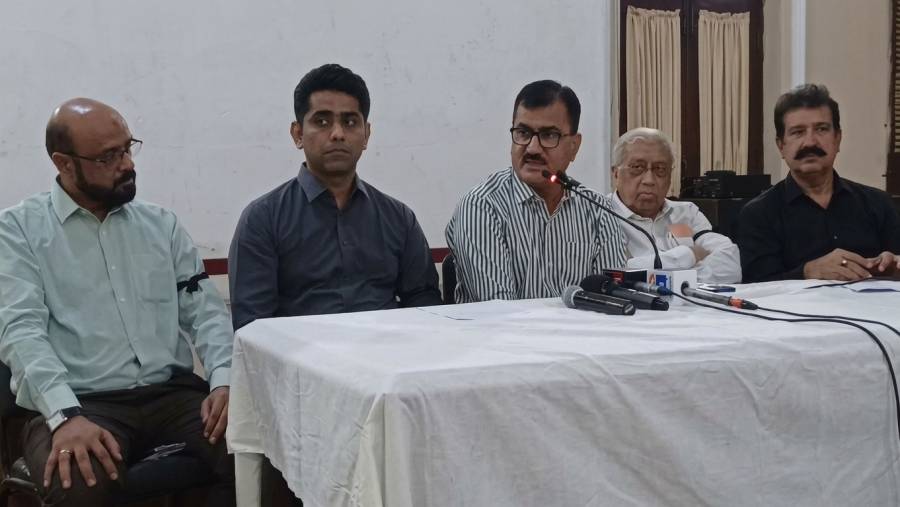
KARACHI: The Pakistan Medical Association (PMA) has announced an All-Pakistan Doctors’ Convention in Gujrat on October 11, warning that the medical community could move towards an indefinite nationwide shutdown of healthcare services if the government fails to address its objections to Federal Board of Revenue (FBR) tax and monitoring measures.
The announcement came after doctors observed a one-day nationwide strike on September 30 against what PMA described as “hostile” tax and monitoring regulations, including the mandatory installation of Point of Sale (POS) systems in medical practices and measures associated with Section 175C of the Income Tax Ordinance, 2001.
The latest development moves the dispute beyond the Sept. 30 protest. PMA says the October 11 convention will bring together medical representatives from across the country to determine what happens next if its demands remain unresolved.
PMA says September 30 strike closed private healthcare services
According to PMA, private outpatient departments, consultations at private hospitals and routine diagnostic services remained closed in several cities across Sindh, Punjab, Khyber Pakhtunkhwa and Balochistan during the one-day protest.
The association said joint rallies and demonstrations were also held in support of the strike.
At the same time, PMA said emergency rooms, intensive care units, coronary care units and other life-saving services continued operating in public hospitals during the protest.
The distinction is important because the PMA's action was directed principally at the tax and regulatory measures affecting private medical practices and institutions, while the association said critical services continued in public-sector hospitals.
What triggered the confrontation with the FBR?
The immediate dispute centres on the FBR's tax documentation and monitoring measures affecting healthcare providers.
PMA has objected particularly to the POS requirement, arguing that healthcare services should not be treated in the same manner as conventional commercial retail businesses.
The association has also raised objections to action under Section 175C, which was inserted into the Income Tax Ordinance through the Tax Laws (Amendment) Ordinance, 2025.
Under Section 175C, the FBR or Chief Commissioner may, subject to conditions and restrictions, post an Inland Revenue officer or other officials under the Board's control at the premises of a person or class of persons to monitor the rendering or provision of services and obtain information for determining tax payable under the Income Tax Ordinance.
That monitoring provision has become one of the most contentious elements of the dispute for doctors, particularly where tax officials are present within clinical environments.
PMA has argued that the measures amount to excessive monitoring of healthcare providers and has demanded that the government reconsider them.
Dispute intensified after complaints over FBR enforcement
The PMA's latest escalation follows months of objections to FBR enforcement measures.
In September, private medical facility owners and doctors in Larkana protested after receiving FBR notices seeking Rs1 million in fines over what the notices described as failure to implement a mandated income-and-expenditure accounting system. Dawn reported that the protesters rejected the fines and alleged harassment by tax authorities.
The controversy around Section 175C has also received scrutiny from the Federal Tax Ombudsman.
In June, the FTO ruled that obtaining tax deposits from taxpayers during Section 175C proceedings without subsequently determining tax liability through the prescribed legal process constituted maladministration and was contrary to due process and fair administration. The case involved a complaint by the owner of Noor Surgical Hospital in Abbottabad, who alleged that Inland Revenue officials had visited the hospital and recovered money before a lawful assessment or determination of liability. The FTO directed the FBR to submit a compliance report.
The ruling does not resolve PMA's broader dispute with the FBR, but it provides important context for why Section 175C has become a prominent issue in the medical community's campaign.
PMA says dialogue with FBR failed to resolve the dispute
Former PMA Centre President Professor S. Tipu Sultan said the association had repeatedly attempted to resolve the matter through negotiations rather than industrial action.
According to Professor Tipu Sultan, PMA held two meetings with the FBR chairman and one meeting with the federal finance minister, during which, he claimed, assurances were given regarding withdrawal of the POS requirement for private hospitals and clinics.
He said the association subsequently approached the FBR chairman again but was unable to secure implementation of what PMA considered its earlier commitments.
The PMA has therefore maintained that the dispute is no longer limited to the technical question of tax collection.
“The battle is not just about taxes; it is about preserving the dignity of healthcare delivery in Pakistan,” the association said in its statement.
Who will attend the October 11 convention?
The All-Pakistan Doctors’ Convention is scheduled to take place in Gujrat on October 11.
PMA said representatives of the association, the Young Doctors Association (YDA), specialty colleges and other medical bodies from all provinces, as well as Azad Jammu and Kashmir and Gilgit-Baltistan, will attend.
The convention is expected to provide a broader platform for the medical community to discuss the dispute with the FBR and decide its next course of action.
PMA Centre Secretary General Dr. Abdul Ghafoor Shoro, PMA Karachi President Dr. Ismail Memon, PMA Karachi General Secretary Dr. Shahid Mamsa and Young Doctors Association Sindh Chairman Dr. Mehboob Noonari were among the medical leaders who participated in the joint press conference announcing the latest position.
What PMA wants from the government
The association has consistently demanded withdrawal of measures it considers inappropriate for private healthcare providers.
Its principal objections include:
- mandatory POS integration for medical practices and private healthcare institutions;
- enforcement measures and penalties associated with the disputed tax regime;
- monitoring of healthcare facilities under Section 175C; and
- what PMA describes as aggressive or humiliating treatment of doctors and private healthcare providers by tax authorities.
PMA has argued that healthcare institutions provide essential medical services rather than operate as conventional retail businesses.
The FBR, meanwhile, has an established legal framework for POS integration and electronic invoicing. Its official data shows 13,731 POS integrations covering 37,770 branches as of August 31, 2026, including Tier-1 retailers, textile and leather retailers and restaurants. The published FBR data does not itself establish that private hospitals are included within those listed integrated sectors.
The next deadline is now October 11
The Sept. 30 strike was initially presented as a major protest against the FBR measures, but the PMA's latest announcement makes clear that the association is treating it as part of a larger campaign.
PMA says it will continue trying to resolve the dispute through negotiations. At the same time, it has warned that failure to address its grievances before the October 11 convention could lead to a decision on an extended and indefinite nationwide suspension of healthcare services.
The association has not said that such an indefinite shutdown has already been decided. Rather, it says the October 11 gathering will determine whether further action is necessary.
That makes the Gujrat convention the next major point in the dispute between the medical community and the tax authorities.
For patients and healthcare institutions, the stakes extend beyond the POS system itself. The disagreement now involves questions about taxation, documentation, regulatory monitoring, enforcement powers and the operation of private healthcare facilities.
Whether the government and FBR can resolve those concerns through dialogue before October 11 will determine whether the confrontation ends with the Sept. 30 protest or moves into a potentially much broader phase.
Stay connected with Medical News Pakistan
CLICK HERE TO JOIN the official Medical News Pakistan WhatsApp Channel for verified global medical breakthroughs, FDA approvals, healthcare innovations, clinical research updates and the latest developments shaping medicine around the world.

Advertisement
E-PAPER
Trending
Popular
Obesity linked to 229 diseases, may shorten life by 11 years, experts ...
-
Pakistan’s Dr. Misha Tanveer takes ...
04:03 PM, 16 Sep, 2026 -
Calorie deficit for weight loss: How to ...
06:00 PM, 24 Aug, 2026 -
Vaccine maker warns of wider TBE, ...
05:00 PM, 21 Aug, 2026 -
FDA authorizes first robot to draw ...
06:11 PM, 20 Aug, 2026
Follow us on Facebook
Follow us on Twitter
Copyright ©2026 Medical News. All Rights Reserved.