
World Lung Day: What we breathe can shape the future of our lungs
Air pollution, cigarette smoke and other exposures can damage lung health, while smoking remains the biggest preventable risk for lung cancer and several major heart and respiratory diseases
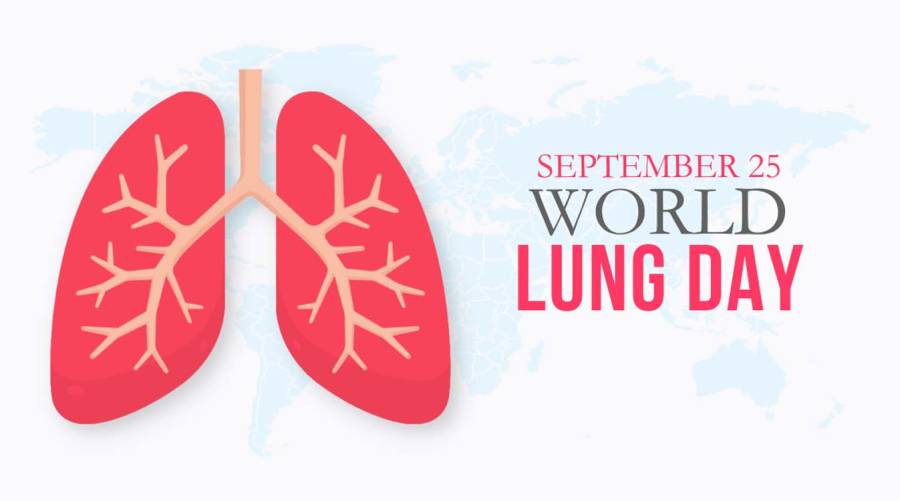
Every breath brings more than oxygen into the body. Along with the air needed to keep us alive, the lungs can also receive particles, pollutants and chemicals from the environment — making the quality of what we breathe an important part of long-term lung health.
On World Lung Day, that reality puts renewed attention on the many exposures that can affect the respiratory system, from outdoor air pollution and vehicle exhaust to industrial emissions, household air pollution, dust and smoke.
Long-term exposure to some of these pollutants can contribute to respiratory disease and increase the risk of lung cancer.
But among the different threats to lung health, one remains particularly important because it is both widespread and preventable: cigarette smoking.
Lung cancer remains a global health burden
Lung cancer is the world's most commonly diagnosed cancer and the leading cause of cancer death.
In 2024, almost 2.65 million people were diagnosed with lung cancer globally, while more than 1.8 million died from the disease.
According to the World Health Organization, cigarette smoking remains the most significant risk factor, accounting for approximately 85 per cent of lung cancer cases.
That connection extends far beyond cancer.
Prof. Dr. Syed Arshad Husain, a pulmonologist, said four major lung and cardiovascular conditions can be traced back to the same habit — smoking.
"It's linked to lung cancer, COPD, heart disease, and stroke, and it raises your risk of pneumonia while making asthma worse. Different diseases, same root cause: cigarette smoke," he said.
The range of conditions associated with smoking helps explain why the issue is not simply about lung cancer. Chronic obstructive pulmonary disease (COPD), cardiovascular disease, stroke, pneumonia and worsening asthma can all form part of the wider health burden associated with cigarette smoke.
What makes cigarette smoke so harmful?
The answer lies partly in what happens when tobacco burns.
When tobacco is combusted, it produces smoke containing more than 6,000 chemicals. These substances are inhaled directly into the lungs, where repeated exposure can damage tissue, trigger inflammation and impair normal lung function.
That distinction is important because nicotine and cigarette smoke do not represent exactly the same health risk.
Nicotine is addictive and is one of the principal reasons people can find it difficult to stop smoking. However, much of the serious disease associated with conventional cigarettes is linked to the toxic chemicals generated and inhaled when tobacco burns.
The lungs therefore face a repeated assault every time combustible tobacco is smoked.
The smoke does not stop with the smoker
The consequences can also reach people who do not smoke.
A burning cigarette releases smoke into the surrounding air, exposing other people to many of the same harmful substances. This second-hand smoke exposure is associated with serious cardiovascular and respiratory diseases, including lung cancer.
That makes smoking not only an individual health issue but also an exposure concern for people sharing homes, workplaces and other environments with smokers.
And this is where one of the most important distinctions in the smoking debate emerges: combustion.
Why combustion matters in the smoking debate
When tobacco is burned, conventional cigarette smoke is produced.
As a result, reducing or eliminating combustion has become an important part of approaches aimed at reducing exposure to the toxic chemicals generated by burning tobacco.
For smokers trying to move away from combustible cigarettes, different approaches are available. Established smoking-cessation options include nicotine replacement products such as nicotine gums and patches. Other smoke-free products are also designed to deliver nicotine without burning tobacco.
None of these alternatives is risk-free.
Nicotine remains addictive, and such products should not be used by people who do not already smoke or use nicotine.
The most important health objective remains clear: quitting cigarettes and ultimately tobacco and nicotine altogether provides the best option for health.
For smokers, the first step remains quitting
The distinction between quitting and moving away from combustible cigarettes is important.
For someone who does not smoke, there is no health reason to start using nicotine products. For a smoker, complete cessation remains the preferred outcome.
But for adults who would otherwise continue smoking, eliminating combustion can reduce exposure to many of the harmful chemicals produced in cigarette smoke.
That does not make smoke-free nicotine products harmless, nor does it remove the addiction associated with nicotine. Rather, it highlights why the process of moving away from combustible cigarettes can be considered separately from the ultimate goal of becoming free from tobacco and nicotine.
What World Lung Day should remind us
Protecting lung health begins long before respiratory disease develops.
It means reducing exposure to harmful air pollutants wherever possible, preventing people from starting to smoke, protecting non-smokers from second-hand smoke and supporting smokers who want to quit.
It also means understanding what actually reaches the lungs with every breath.
Air pollution, industrial emissions, vehicle exhaust, household pollution, dust and smoke can all contribute to harmful exposure. Cigarette smoking adds a particularly important and preventable source of toxic chemical exposure, with consequences that can extend from lung cancer and COPD to heart disease, stroke, pneumonia and worsening asthma.
For smokers, quitting remains the clearest path to better health. For those who struggle to quit, understanding the difference between nicotine, tobacco and combustion can help explain why moving away from cigarette smoke matters, even while cessation remains the ultimate goal.
On World Lung Day, the message is simple but consequential: protect the lungs from harmful exposure wherever possible, prevent people from starting smoking and support smokers who want to quit.
Because every breath matters — and what we breathe can shape the future of our lungs.
Stay connected with Medical News Pakistan
CLICK HERE TO JOIN the official Medical News Pakistan WhatsApp Channel for verified global medical breakthroughs, FDA approvals, healthcare innovations, clinical research updates and the latest developments shaping medicine around the world.

Advertisement
E-PAPER
Trending
Popular
Obesity linked to 229 diseases, may shorten life by 11 years, experts ...
-
Pakistan’s Dr. Misha Tanveer takes ...
04:03 PM, 16 Sep, 2026 -
Calorie deficit for weight loss: How to ...
06:00 PM, 24 Aug, 2026 -
Vaccine maker warns of wider TBE, ...
05:00 PM, 21 Aug, 2026 -
FDA authorizes first robot to draw ...
06:11 PM, 20 Aug, 2026
Follow us on Facebook
Follow us on Twitter
Copyright ©2026 Medical News. All Rights Reserved.