
Can 36 minutes of specially tuned music reset an anxious brain?
New study suggests music embedded with auditory beat stimulation may reduce anxiety more effectively than pink noise in patients already on treatment
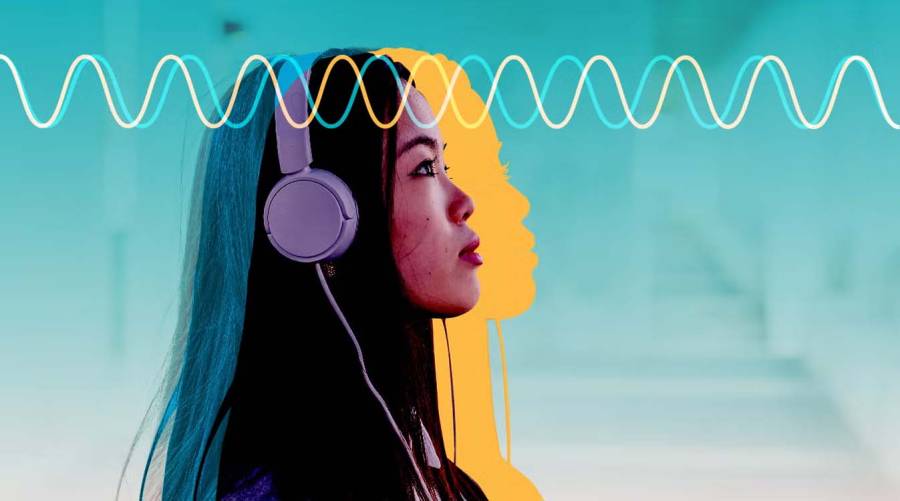
A surprising question from neuroscience: can sound “reset” the brain?
What if calming the mind didn’t require medication alone—but just 36 minutes of carefully engineered sound?
A new scientific study is now exploring exactly that possibility, suggesting that specially designed music may help reduce anxiety more effectively than commonly used background sounds like pink noise.
Published in the journal PLOS Mental Health, the research is opening fresh conversations about how sound interacts with the anxious brain—and whether it can actively shift mental states rather than simply distract from them.
Music designed for the brain, not just the ears
The study focuses on a technique known as auditory beat stimulation (ABS), where rhythmic sound pulses are embedded within music to influence brain activity.
Researchers explain that ABS works by gently guiding brainwaves from a stressed state toward a calmer rhythm—essentially encouraging the nervous system to “slow down.”
Unlike ordinary relaxation music, ABS is designed with precise acoustic engineering, not just emotional appeal.
How the study was conducted
Researchers from institutions including Goldsmiths University of London, University of Roehampton, Toronto Metropolitan University, and LUCID (a digital health company in Canada) tested 144 adults already receiving medication for anxiety.
Participants were divided into groups:
- 24 minutes of pink noise (control group)
- 12 minutes of music + ABS
- 24 minutes of music + ABS
- 36 minutes of music + ABS
Anxiety levels were measured before and after sessions using standardized clinical scales.
The surprising result: timing matters
The findings revealed a clear “dose-response” effect:
- 24 minutes of ABS music showed the strongest reduction in anxiety
- 36 minutes of listening also produced strong mood stabilization and reduced negative emotions
- 12-minute sessions were significantly less effective
Participants also reported improvements beyond anxiety reduction, including:
- Lower irritability
- Reduced jitteriness
- Decreased emotional distress
- Greater emotional balance
Why ABS music may work differently
Experts explain that traditional music affects the brain through emotion, memory, and preference.
But ABS music works differently—it targets brain rhythm directly, bypassing emotional interpretation.
Some researchers describe it as shifting the brain from a “fight-or-flight” state to a “rest-and-digest” mode through structured sound patterns.
Is this therapy—or a tool? Experts weigh in
Experts interviewed in the research caution against oversimplifying the findings.
They emphasize:
- The effect is structured and dose-dependent, not casual listening
- It should not be compared directly to personal playlists or relaxation music
- It is best seen as a complementary mental health tool, not a standalone cure
As one expert noted, the difference lies in intention, measurement, and design—not just sound choice.
Important limitations researchers highlight
Despite promising results, scientists stress several unanswered questions:
- Effects were measured only in the short term
- Participants were already on anxiety medication
- No long-term brain imaging data was collected
- It remains unclear whether ABS alone or music itself drives results
Researchers also note that future studies must test durability, larger populations, and physiological brain changes.
What this could mean for mental health care
Even with limitations, the study suggests something powerful:
Sound-based interventions may one day become support tools alongside traditional anxiety treatments, especially for short-term symptom relief.
But experts agree: more research is needed before conclusions can be generalized.
Stay informed, stay alert
CLICK HERE TO JOIN Medical News Pakistan on WhatsApp for real-time health alerts, expert insights, and breakthrough medical discoveries.

Advertisement
E-PAPER
Trending
Popular
Pakistan’s Dr. Misha Tanveer takes air pollution research to Europe ...
-
Calorie deficit for weight loss: How to ...
06:00 PM, 24 Aug, 2026 -
Vaccine maker warns of wider TBE, ...
05:00 PM, 21 Aug, 2026 -
FDA authorizes first robot to draw ...
06:11 PM, 20 Aug, 2026 -
One blood test for multiple cancers ...
04:52 PM, 11 Aug, 2026
Follow us on Facebook
Follow us on Twitter
Copyright ©2026 Medical News. All Rights Reserved.