
Football World Cup masks draw attention to long-term risks of facial injuries
Experts say broken noses, jaw fractures and internal facial injuries can affect breathing, performance and long-term health, making protective masks an increasingly common sight in elite football.
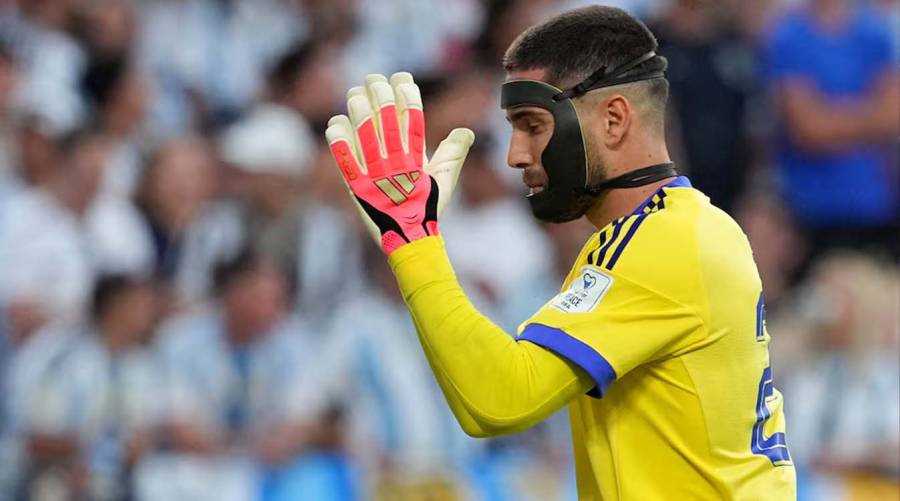
BEVERLY HILLS, California: Protective face masks have become an increasingly familiar sight on football pitches around the world, but medical experts say they often signal far more than a player's determination to stay in the game. Behind many of these masks are facial injuries that can leave lasting effects on breathing, athletic performance and long-term health if not properly treated.
With several players competing in the FIFA World Cup 2026 wearing protective facial gear following jaw and facial injuries, sports medicine specialists are drawing attention to a health risk that often receives less attention than concussions, knee injuries or ligament tears.
According to Dr. Farhad Ardesh, a Beverly Hills facial plastic and reconstructive surgeon who has treated professional athletes, even injuries that appear minor externally can conceal significant internal damage.
"Sometimes a minor injury on the outside can cause major damage on the inside," he said.
Facial injuries are more common than many fans realize
Football is rarely viewed as a collision sport, yet high-speed challenges frequently result in elbows, shoulders, heads, knees or feet striking the face.
Dr. Ardesh says these impacts can generate forces comparable to those seen in combat sports.
"People don't think of soccer as being a combat sport, but you've got elite athletes running at full speed and jumping high. An elbow or shoulder directly to the nose can be like taking a right hook to the face."
Contrary to popular belief, the ball itself is seldom responsible for serious facial trauma. Instead, player-to-player contact accounts for most significant injuries involving the nose, jaw, cheekbones and eye socket.
Why a broken nose is more serious than it looks
A broken nose is often dismissed as a relatively minor sports injury, but specialists warn that untreated nasal fractures can lead to chronic breathing difficulties, a deviated septum, cosmetic deformities and the need for reconstructive surgery months later.
Because the nose plays a vital role in airflow, compromised breathing can directly affect endurance and athletic performance.
For elite athletes, maintaining optimal nasal airflow is considered essential for peak physical performance.
The hidden emergency doctors look for first
One of the first concerns after facial trauma is septal hematoma—a collection of blood inside the nasal septum.
Although it may not be immediately obvious, the condition requires urgent treatment because it can interrupt blood supply to nasal cartilage. Without timely intervention, permanent collapse of the nose, known as a saddle-nose deformity, may occur.
Doctors also assess patients for orbital fractures, jaw fractures, cheekbone injuries and concussion, particularly when swelling masks the true extent of the damage.
Why players wear protective masks
Sports physicians say protective facial masks are primarily designed to shield healing bones following fractures or surgery, allowing athletes to return to competition while reducing the risk of re-injury.
Recent high-profile examples include Kylian Mbappé, who wore a protective mask after breaking his nose during UEFA Euro 2024, Croatian defender Joško Gvardiol, England defender Djed Spence, Austria's Stefan Posch, and Algeria goalkeeper Luca Zidane.
Medical experts stress that the mask should not be viewed as treatment itself but rather as temporary protection during recovery.
Goalkeepers face even greater risk
Among footballers, goalkeepers are considered particularly vulnerable because they frequently dive into crowded penalty areas where collisions with opponents are common.
Direct impacts from elbows, knees and heads place them at greater risk of facial fractures than many outfield players.
Despite this, specialists believe routine facial protection is unlikely to become standard across football because masks can affect comfort, peripheral vision and player preference. Instead, they are expected to remain an important protective option during rehabilitation.
As football continues to become faster and more physical, experts say greater awareness of facial injuries could help prevent long-term complications and ensure players receive timely specialist care before returning to competition.
Stay informed, stay alert!
CLICK HERE TO JOIN Medical News Pakistan on WhatsApp for real-time health alerts, expert insights, and breakthrough medical discoveries.

Advertisement
E-PAPER
Trending
Popular
Pakistan’s Dr. Misha Tanveer takes air pollution research to Europe ...
-
Calorie deficit for weight loss: How to ...
06:00 PM, 24 Aug, 2026 -
Vaccine maker warns of wider TBE, ...
05:00 PM, 21 Aug, 2026 -
FDA authorizes first robot to draw ...
06:11 PM, 20 Aug, 2026 -
One blood test for multiple cancers ...
04:52 PM, 11 Aug, 2026
Follow us on Facebook
Follow us on Twitter
Copyright ©2026 Medical News. All Rights Reserved.