
Mpox death of 18-month-old raises Sindh toll to 12 as cases reach 98
The child from Malir died at Karachi’s Sindh Infectious Diseases Hospital after being transferred from a private facility, as new infections prompt renewed attention to hospital infection control and the risk of transmission.
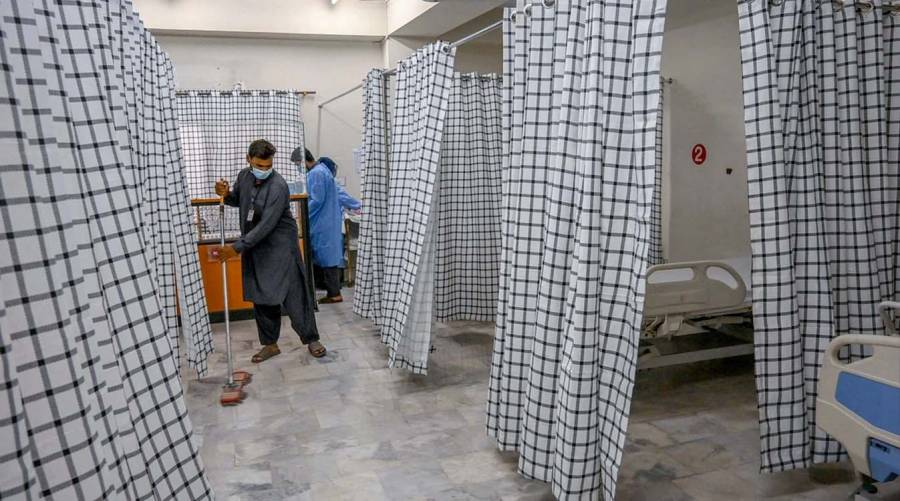
KARACHI: An 18-month-old child from Malir has died of mpox at Karachi’s Sindh Infectious Diseases Hospital, taking the reported death toll from the viral infection in Sindh to 12 this year. The province has recorded 98 mpox cases in 2026.
The child had been transferred to the Sindh Infectious Diseases Hospital from a private facility a few days before his death. A spokesperson for the hospital confirmed that the child died on Friday and attributed the death to mpox.
The latest death comes amid a fresh rise in reported infections in Karachi. Seven additional mpox patients, including an infant, had been hospitalised over the preceding week. The report, citing sources, said the patients were residents of Karachi and were being treated at the Sindh Infectious Diseases Hospital and Research Centre (SIDH&RC). It put the provincial case count at 98, while data released by the Provincial Disease Surveillance and Response Unit (PDSRU) recorded 11 deaths at that point. The latest hospital update would bring the reported death toll to 12.
Hospital infection control under scrutiny
The recent cases have renewed concern about infection prevention in healthcare settings. On October 21, Sindh Healthcare Commission (SHCC) had sealed Ibne Hassan Hospital in Malir15 after a laboratory-confirmed mpox infection in an infant raised concerns about hygiene and infection-control practices.
According to the commission’s statement, the infant was reported to have contracted the infection following a circumcision procedure in which contaminated scissors were allegedly used. The commission cited poor hygiene, inadequate infection prevention and control measures, and reported malpractice as grounds for its action. The hospital was reportedly being run by unqualified staff.
What the latest figures show
Sindh’s reported mpox burden has risen steadily over recent months. On October 7, provincial tally had reached 93 cases, with 11 deaths recorded in data released by the PDSRU. On October 15, the tally had risen to 94 after an infant tested positive. By October 24, the provincial case count had reached 98.
The latest update places the number of deaths at 12 following the death of the child from Malir.
Earlier in the year, Sindh also experienced a serious cluster of infections involving newborns in healthcare settings. In April several babies receiving treatment in hospital intensive care units in Khairpur had died during an outbreak in which infection-control lapses were raised as a concern.
How mpox spreads, when to seek care
Mpox is a viral disease that can spread through close contact with an infected person, including direct contact with skin lesions, bodily fluids or contaminated materials such as clothing, bedding and towels. Transmission can also occur during close face-to-face contact. The World Health Organization (WHO) says symptoms can include a rash or lesions, fever, headache, muscle aches, low energy and swollen lymph nodes. Some people develop more severe illness, and young children can be among those at risk of complications.
Anyone who develops an unexplained rash, blisters or skin lesions—particularly after close contact with a suspected or confirmed case—should seek prompt medical assessment and tell the healthcare professional about any possible exposure. People with suspected mpox should avoid close physical contact with others while awaiting assessment and follow medical advice on isolation and care.
The WHO recommends practical steps to reduce transmission, including regular hand hygiene, avoiding contact with lesions and not sharing personal items such as towels, clothing or bedding with an infected person. Healthcare facilities should follow appropriate infection prevention and control measures, including the safe handling and sterilisation of instruments and the use of protective equipment when indicated.
The death of the child from Malir adds urgency to the need for reliable surveillance, timely diagnosis and consistent infection-control practices across healthcare facilities. With Sindh’s reported mpox cases now at 98, updated official figures will be important to establish the current death toll and guide the public health response.
Stay informed with Medical News Pakistan
CLICK HERE TO FOLLOW Medical News Pakistan for verified health developments, disease alerts, clinical research and public health updates.

Advertisement
E-PAPER
Trending
Popular
Could a heart calcium scan reveal your risk of a heart attack before ...
-
One blood test, 50+ cancers: What the ...
05:27 PM, 12 Oct, 2026 -
WHO rules out weight-loss drugs for ...
04:38 PM, 9 Oct, 2026 -
Global life expectancy rebounds, but ...
03:17 PM, 5 Oct, 2026 -
Scientists discover new human blood ...
04:49 PM, 2 Oct, 2026
Follow us on Facebook
Follow us on Twitter
Copyright ©2026 Medical News. All Rights Reserved.