
Sindh dog bites surge as PMA calls for urgent action to curb rabies deaths
Pakistan Medical Association officials report 285,000 dog-bite cases in Sindh in 2025 and 83,000 in the first quarter of 2026, while urging stronger population control, vaccination and prevention measures.
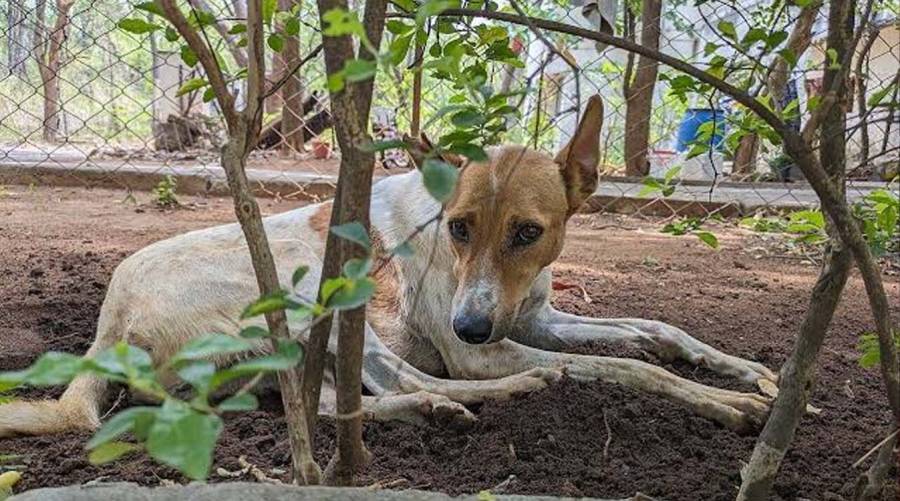
KARACHI: The growing number of dog-bite cases and rabies deaths in Sindh has prompted the Pakistan Medical Association (PMA) to call for urgent government intervention, with health experts warning that existing measures have failed to adequately control the stray dog population or prevent potentially fatal infections.
At a briefing organised by the Pakistan Medical Association Karachi chapter at PMA House, senior PMA representatives said 285,000 dog-bite cases were reported across Sindh during 2025, while a further 83,000 cases were recorded in the first quarter of 2026.
The figures were presented by Dr Mirza Ali Azhar, who said the scale of the problem required a comprehensive strategy rather than continued discussion of rabies prevention alone.
According to Dr Azhar, 21 people, including children, have died of rabies in Sindh during 2026 so far. He cautioned that the officially recorded deaths may not represent the full burden because some rabies patients die at home without reaching a healthcare facility.
He said the preferred approach should involve catching, isolating, vaccinating and neutering stray dogs, but argued that the government had not succeeded in establishing and sustaining such a system despite years of discussion and attempts to address the problem.
PMA urges shift from rabies treatment to dog-bite prevention
Dr Azhar said public health efforts often focus on rabies vaccination and treatment after exposure, whereas preventing dog bites in the first place must remain central to controlling rabies.
He argued that a potentially rabid animal, particularly a dog, can transmit the fatal disease through an injury, making prevention of dog attacks an important component of rabies control.
The discussion also highlighted the difficulty of implementing long-term stray dog management in Sindh, where, according to the PMA representatives, authorities lack reliable data on the size of the dog population and do not have an adequately developed system for vaccinating and neutering stray dogs.
Dr Muhammad Ismail Memon said responsibility for controlling the dog population and reducing dog-bite incidents ultimately rests with the provincial government.
He said the PMA could provide advice, recommendations and guidelines as a stakeholder, but the government needed to develop and implement an effective system suited to the conditions in Pakistan.
Dr Memon also pointed to financial constraints, saying there was limited funding available for large-scale vaccination and neutering programmes for stray dogs.
PMA speaker raises humane culling proposal
The briefing also brought forward a more controversial proposal.
Dr Shahid Ibrahim Mamsa said the situation required measures aimed at protecting human lives and argued that, if other population-control measures could not be implemented effectively, the government would have to consider what he described as humane culling.
His comments reflected the PMA speakers’ position that continued dog-bite incidents and rabies deaths warranted stronger intervention, while also suggesting that resources currently being spent on treating rabies could instead be directed towards preventing dog attacks.
The proposal was presented as an option in the context of the failure, according to the speakers, to establish an effective long-term system for vaccination and neutering of stray dogs.
Compensation proposed for rabies deaths and dog-bite victims
Dr Mamsa also proposed financial compensation for people affected by dog bites and rabies.
He said the PMA believed the government should pay Rs10 million to the families of people who die from rabies, while dog-bite victims should receive compensation ranging from Rs1 million to Rs3 million, depending on the severity of their injuries.
The proposal was framed by the PMA as part of a broader demand for greater government responsibility and accountability in preventing dog attacks and their potentially fatal consequences.
Pakistan faces persistent rabies prevention challenge
The PMA briefing also raised questions about the country's capacity to track and control the stray dog population.
Dr Azhar cited the United States as an example, saying there were six reported rabies deaths there in 2025 and that those cases were attributed to sources other than dog bites.
The comparison was used during the briefing to highlight the importance of controlling the risk of rabies transmission through dogs and strengthening preventive measures.
However, the speakers acknowledged that Pakistan faces different circumstances, including limited resources, inadequate dog-population data and the absence of a comprehensive, consistently implemented stray-dog vaccination and neutering system.
With 83,000 dog-bite cases already reported in Sindh during the first three months of 2026, the PMA representatives said the issue required urgent attention from the provincial government.
The debate now extends beyond rabies treatment and post-exposure vaccination to the larger question of how Sindh can sustainably manage its stray dog population, reduce dog attacks and prevent avoidable rabies deaths.
Stay connected with Medical News Pakistan
CLICK HERE TO JOIN the official Medical News Pakistan WhatsApp Channel for verified global medical breakthroughs, FDA approvals, healthcare innovations, clinical research updates and the latest developments shaping medicine around the world.

Advertisement
E-PAPER
Trending
Popular
Pakistan’s Dr. Misha Tanveer takes air pollution research to Europe ...
-
Calorie deficit for weight loss: How to ...
06:00 PM, 24 Aug, 2026 -
Vaccine maker warns of wider TBE, ...
05:00 PM, 21 Aug, 2026 -
FDA authorizes first robot to draw ...
06:11 PM, 20 Aug, 2026 -
One blood test for multiple cancers ...
04:52 PM, 11 Aug, 2026
Follow us on Facebook
Follow us on Twitter
Copyright ©2026 Medical News. All Rights Reserved.