Pakistani women face South Asia’s highest heart disease death rate
Experts warn hypertension, diabetes, poor diet and inactivity are putting Pakistani women at growing cardiovascular risk as new regional data highlight a disproportionate mortality burden
KARACHI: Pakistani women face the highest age-standardized mortality rate from ischemic heart disease among women in five South Asian countries, according to a 2026 study using Global Burden of Disease data, prompting cardiologists, physicians and gynecologists to call for earlier screening and stronger follow-up of cardiovascular risks in women.
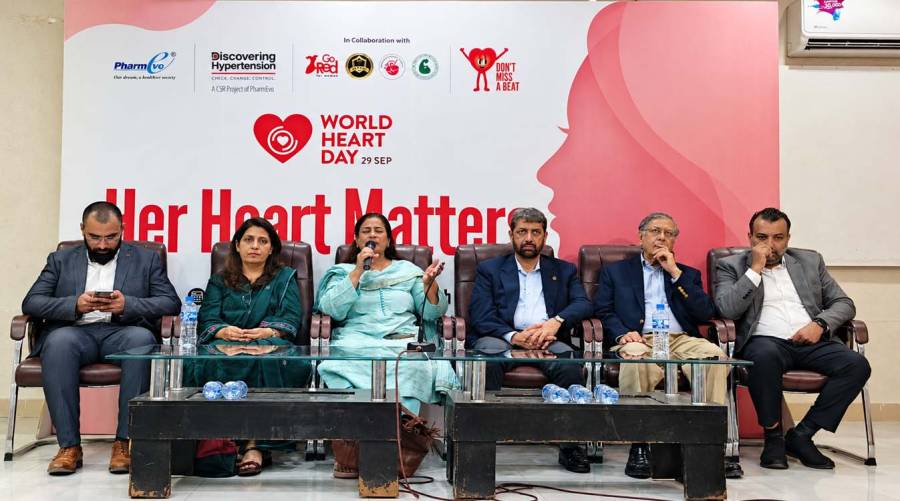
The warning came as PharmEvo launched its nationwide “Her Heart Matters” campaign on World Heart Day 2026 in collaboration with the Pakistan Cardiac Society, Society of Obstetricians & Gynaecologists of Pakistan, Pakistan Society of Internal Medicine and Go Red for Women.
The campaign places women’s cardiovascular health at the centre of a broader programme covering screening, public awareness, patient education and healthcare-professional engagement across Pakistan.
But the regional evidence behind the campaign points to a deeper concern: Pakistani women are not simply carrying a high burden of heart disease — the risk of dying from ischemic heart disease relative to its prevalence is also unusually high compared with neighbouring countries.
Pakistan records highest female IHD mortality rate in study
The study, published in JACC: Asia in 2026, compared ischemic heart disease trends in Pakistan, India, Bangladesh, Nepal and Bhutan using Global Burden of Disease estimates for 2005 and 2021.
In 2021, Pakistan recorded the highest age-standardized mortality rate for ischemic heart disease among women in the five-country comparison, at about 172 deaths per 100,000 women.
The study also found a particularly important gender difference.
The age-standardized mortality-to-prevalence index — used by researchers as a measure of mortality risk among people affected by ischemic heart disease — was 4.4% for Pakistani women in 2021, compared with 3.1% for Pakistani men.
Pakistan was the only country among the five studied where this index was higher in women than men. The corresponding figures in 2005 were 4.3% for women and 2.9% for men.
That does not mean women have a higher overall heart disease mortality rate than men. Across South Asia, men continued to have higher age-standardized mortality rates overall. Rather, the finding indicates that among people affected by ischemic heart disease, Pakistani women had a higher mortality-to-prevalence ratio than Pakistani men.
High blood pressure and diet emerge as major risks
The research points to several potentially modifiable factors behind the excess cardiovascular burden among Pakistani women.
High systolic blood pressure emerged as a leading contributor, while low vegetable and low dietary fibre intake were also identified as important drivers of ischemic heart disease mortality among Pakistani women.
The study also found that physical inactivity disproportionately affected women in the regional analysis, adding another concern to an already significant cardiovascular risk profile.
For Pakistani women, the implications extend beyond one risk factor. Hypertension, diabetes, obesity, unhealthy dietary patterns and insufficient physical activity can interact and increase cardiovascular risk, making early identification particularly important.
Experts warn women often put their own health last
At the Karachi press conference launching “Her Heart Matters”, Professor Dr Mansoor Ahmed, Professor of Cardiology at the Karachi Institute of Heart Diseases, said the longstanding perception that women were less vulnerable to heart disease had been disproved.
He said women were affected by cardiovascular disease just as men were, but Pakistani women often placed their own health behind household responsibilities. Families, he added, also did not always give adequate attention to women’s medical needs.
Professor Dr Mansoor Ahmed highlighted diabetes, hypertension and obesity as major concerns, saying women living with these conditions should undergo regular screening to detect cardiovascular disease before serious complications develop.
Pregnancy can reveal cardiovascular risks that persist after childbirth
Professor Dr Tazeen Abbas, Secretary General of the Society of Obstetricians and Gynecologists of Pakistan, said women’s cardiovascular health needed attention not only later in life but also during pregnancy and after childbirth.
One concern, she said, was women stopping prescribed medicines during pregnancy or discontinuing blood-pressure treatment after delivery without consulting their doctors.
Medication should instead be reviewed and adjusted by healthcare professionals where necessary, she said.
High blood pressure identified during pregnancy may also be overlooked after childbirth even though cardiovascular risks can persist.
Professor Dr Tazeen Abbas also highlighted pregnancy-associated cardiomyopathy, a condition in which the heart muscle becomes weakened during or around pregnancy and which can have serious consequences if not diagnosed and treated promptly.
Anemia and closely spaced pregnancies can further add to the health burden, she said, making family planning, adequate birth spacing and continued medical follow-up important components of women's health.
She also urged women to undertake regular exercise and reduce consumption of bakery products, fried foods, soft drinks and sugary juices.
Household work may keep women physically occupied, she noted, but it should not automatically be regarded as a substitute for planned physical activity.
Pregnancy may offer an overlooked opportunity for heart screening
Professor Dr Halima Yasmeen, Chairperson and Head of Department at Jinnah Postgraduate Medical Centre and Executive Member of the Society of Obstetricians and Gynecologists of Pakistan, said heart disease had been detected in approximately 4% of pregnant women screened at her clinical service.
Pregnancy, she said, could therefore provide an important opportunity to identify women with previously undiagnosed hypertension or heart disease.
Women found to have cardiac problems require coordinated management involving obstetricians, physicians and cardiologists, including appropriate follow-up after delivery.
The message is particularly relevant because pregnancy-related cardiovascular problems do not necessarily end when a baby is born.
Diabetes clinics reveal a wider cardiovascular risk picture
Professor Dr Shabnam Naveed, Head of Medicine at Jinnah Postgraduate Medical Centre and Jinnah Sindh Medical University, identified inadequate screening as one of the major obstacles to preventing cardiovascular disease among women.
She said cardiovascular risk factors were present in more than 90% of women attending the diabetes clinic at JPMC.
That figure represents a high-risk hospital population and should not be interpreted as the prevalence of cardiovascular risk among all Pakistani women. However, it illustrates the close relationship between diabetes, hypertension, obesity and cardiovascular disease in women receiving specialist care.
Cardiologists warn tertiary hospitals cannot carry the entire burden
Professor Dr Fawad Farooq, General Secretary of the Pakistan Cardiac Society, highlighted stress and physical inactivity as additional concerns.
He said women could incorporate walking and other physical activities into their daily routines even when they had limited time or space.
He also pointed to pressure on Pakistan’s specialized cardiac hospitals, saying large numbers of patients were presenting with heart attacks and chest pain because the country lacked an effective primary and secondary cardiovascular care network.
“At the NICVD, spaces meant for one patient sometimes have to accommodate several patients, while multiple heart-attack patients can arrive at the same time,” Professor Dr Fawad Farooq said.
He stressed that tertiary cardiac hospitals alone could not manage the country’s growing cardiovascular burden.
Another concern, he said, was poor adherence to treatment after cardiac procedures. Some patients stopped taking prescribed medicines within weeks of undergoing angioplasty, potentially increasing the risk of further complications.
Stronger primary care, appropriate follow-up and continued use of prescribed medicines are therefore important parts of preventing repeat cardiovascular events, he said.
Why the new regional findings matter
The JACC: Asia research adds an important dimension to the warnings from Pakistani clinicians.
Across the five South Asian countries, age-standardized ischemic heart disease mortality increased between 2005 and 2021 for both men and women. In 2021, the regional average was 190 deaths per 100,000 for men and 112 per 100,000 for women.
Pakistan stood out on the female side, recording the highest age-standardized mortality rate among women in the five-country comparison. The country also consistently had the highest age-standardized prevalence of ischemic heart disease in the study for both sexes.
The researchers concluded that high systolic blood pressure and low intake of vegetables and fibre were among the leading contributors to excess ischemic heart disease mortality in Pakistani women.
The findings make cardiovascular prevention in women a matter extending well beyond cardiology clinics — into primary healthcare, pregnancy care, diabetes management, nutrition, physical activity and long-term follow-up.
‘Her Heart Matters’ campaign expands focus on prevention
Against this backdrop, PharmEvo’s “Her Heart Matters” campaign is designed to bring women's cardiovascular health into wider public-health conversations.
Samar Iqbal Jafri, Director Marketing & Sales at PharmEvo, said the company’s Discovering Diabetes and Discovering Hypertension initiatives were helping identify people who remained unaware that they had these conditions.
He said “Her Heart Matters” would now focus specifically on women’s heart health and bring medical societies together around screening, prevention and timely treatment.
The nationwide initiative is expected to include community screening activities, healthcare-professional engagement and public awareness programmes.
For Pakistani women, the message from both the new regional evidence and local clinicians is clear: cardiovascular risk does not begin only when a woman develops chest pain or suffers a heart attack. Hypertension, diabetes, obesity, diet, inactivity and pregnancy-related complications can provide earlier warning signs — making timely screening and continued medical care critical.
And the regional data suggest that overlooking those warning signs may carry a particularly heavy cost for Pakistani women.
Stay connected with Medical News Pakistan
CLICK HERE TO JOIN the official Medical News Pakistan WhatsApp Channel for verified global medical breakthroughs, FDA approvals, healthcare innovations, clinical research updates and the latest developments shaping medicine around the world.

Advertisement
E-PAPER
Trending
Popular
Obesity linked to 229 diseases, may shorten life by 11 years, experts ...
-
Pakistan’s Dr. Misha Tanveer takes ...
04:03 PM, 16 Sep, 2026 -
Calorie deficit for weight loss: How to ...
06:00 PM, 24 Aug, 2026 -
Vaccine maker warns of wider TBE, ...
05:00 PM, 21 Aug, 2026 -
FDA authorizes first robot to draw ...
06:11 PM, 20 Aug, 2026
Follow us on Facebook
Follow us on Twitter
Copyright ©2026 Medical News. All Rights Reserved.