
UHS experts examine obesity's link to insulin resistance
An interdisciplinary symposium explored how obesity, abdominal fat and chronic inflammation affect metabolic health, as Vice Chancellor Maj Gen (R) Prof. Sohail Sabir warned of Pakistan's growing cardio-renal-metabolic disease challenge and stressed prevention through healthier lifestyles.
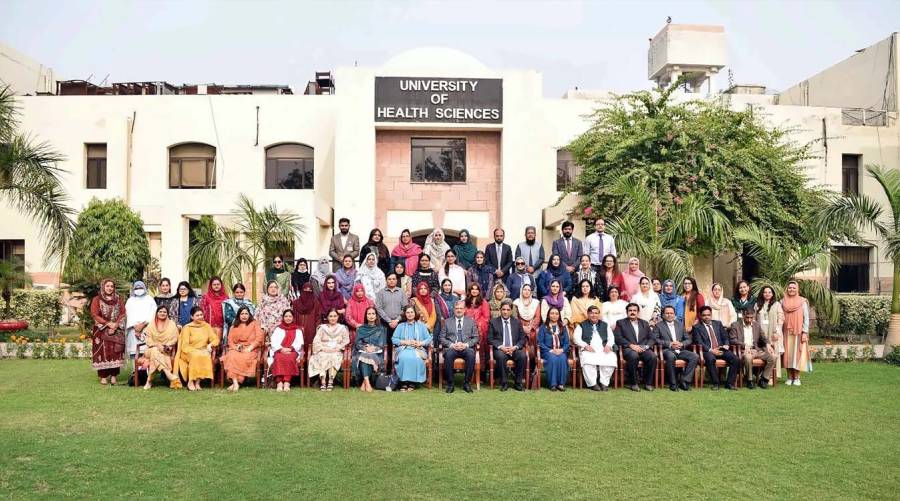
LAHORE: The University of Health Sciences (UHS) Lahore has brought obesity, chronic inflammation and insulin resistance into focus through an interdisciplinary scientific symposium, highlighting the interconnected factors contributing to metabolic disorders and the growing need for preventive healthcare in Pakistan.
Titled Breaking the Metabolic Cycle: Obesity, Chronic Inflammation, and Insulin Resistance, the symposium examined the relationship between excess body fat, inflammation and impaired insulin function, bringing together experts from clinical medicine and basic medical sciences to discuss the underlying mechanisms of metabolic disease.
Addressing the gathering, UHS Vice Chancellor Maj Gen (R) Prof. Sohail Sabir warned that Pakistan was facing an emerging cardio-renal-metabolic health challenge, with diabetes and hypertension contributing substantially to the country's kidney disease burden.
He said diabetes had remained Pakistan's leading cause of dialysis for the past three decades, followed by hypertension, underscoring the importance of addressing metabolic and cardiovascular risk factors before they progress to serious complications.
Maj Gen (R) Prof. Sohail Sabir emphasised the importance of maintaining a healthy body mass index (BMI), adopting a balanced diet and engaging in regular physical activity to reduce the risk of metabolic disorders. He also highlighted the need to prioritise prevention rather than relying solely on treatment after diseases develop.
The scientific sessions examined different aspects of the relationship between obesity, inflammation and insulin resistance, with three specialists discussing the clinical and physiological dimensions of metabolic dysfunction.
Prof. Dr. Khadija Irfan Khawaja, Head of the Diabetes Medical Centre at the Services Institute of Medical Sciences (SIMS), discussed obesity-induced inflammation and its role in insulin resistance, explaining how excess body fat can contribute to metabolic disturbances.
Prof. Dr. Mohsin Cheema, Head of the Department of Physiology at Narowal Medical College, highlighted the relationship between abdominal fat, chronic inflammation and metabolic health, drawing attention to the significance of fat distribution beyond overall body weight.
Prof. Dr. Saqib Sohail, Head of the Department of Physiology at SIMS, explained the physiological mechanisms underlying insulin resistance, providing insight into how the body's response to insulin becomes impaired and contributes to metabolic dysfunction.
Insulin resistance occurs when the body's cells respond less effectively to insulin, the hormone responsible for regulating blood glucose levels. It is closely associated with obesity and is a key factor in the development of type 2 diabetes, making early identification and prevention important components of metabolic healthcare.
The speakers stressed that tackling obesity and related metabolic disorders requires a comprehensive preventive approach involving healthier lifestyle choices, early intervention and greater awareness of metabolic health risks.
They also emphasised the importance of collaboration between basic scientists and clinical specialists to improve understanding of the biological processes underlying metabolic diseases and strengthen approaches to their prevention and management.
The symposium was organised by the UHS Department of Physiology in collaboration with the Services Institute of Medical Sciences (SIMS), reflecting an interdisciplinary effort to bring physiological research and clinical perspectives together in addressing Pakistan's growing metabolic health challenges.
Stay informed with Medical News Pakistan
CLICK HERE TO FOLLOW Medical News Pakistan on WhatsApp for verified global medical breakthroughs, healthcare innovations, clinical research updates and important developments shaping the future of healthcare in Pakistan and beyond.

Advertisement
E-PAPER
Trending
Popular
Fruit juice or whole fruit? New research reveals which is better for ...
-
One in four people with cerebral palsy ...
05:51 PM, 3 Nov, 2026 -
Pakistan pharma sector profits rise 11% ...
02:45 PM, 3 Nov, 2026 -
Tea for a healthier heart? Read this ...
05:52 PM, 2 Nov, 2026 -
37 AKU researchers join world's top 2% ...
06:47 PM, 16 Oct, 2026
Follow us on Facebook
Follow us on Twitter
Copyright ©2026 Medical News. All Rights Reserved.