
Family doctors in England to use blood tests to spot cancer early in world first
A £8.49 million clinical trial involving more than 20,000 NHS patients across at least 200 GP practices will assess whether blood tests can help identify signs of 13 cancers, including bowel, pancreatic, ovarian and stomach cancer, and guide decisions about urgent investigation.
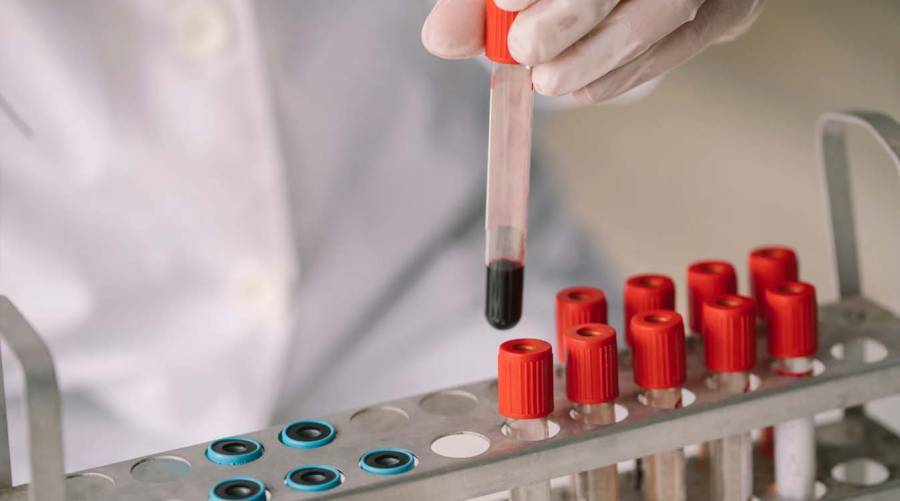
LONDON: Family doctors in England are to take part in a world-first clinical trial examining whether blood tests can help identify cancer earlier in patients with abdominal symptoms, potentially giving people with some of the most difficult-to-detect cancers a better chance of receiving timely diagnosis and treatment.
The trial, known as STRIDE-RCT, will involve more than 20,000 patients across at least 200 GP practices in England. Led by researchers at the University of Birmingham, it will assess whether multi-cancer detection blood tests can help general practitioners identify patients who may need urgent further investigation.
The programme has received up to £8.49 million in government funding through the Office for Life Sciences and the National Institute for Health and Care Research (NIHR).
Patients aged 45 and over who attend participating GP practices with abdominal symptoms, including persistent bloating or discomfort, will be offered the opportunity to take part. Most participants will have one or two tubes of blood taken at their GP surgery alongside routine blood tests.
The tests are designed to look for signals associated with several cancers in a single blood sample and indicate where in the body those signals may have originated. The trial will examine whether this information can help GPs decide which patients should be referred for urgent assessment.
Blood tests to assess signals linked to 13 cancers
The trial will cover 13 types of cancer, including bowel, small bowel, stomach, oesophageal, pancreatic, liver, bile duct and gallbladder cancers, as well as ovarian, endometrial, kidney, bladder and prostate cancers.
These include several abdominal cancers that can be difficult to recognise at an early stage because their symptoms may resemble less serious conditions. Persistent bloating, stomach discomfort and other abdominal complaints can have a range of causes, making it challenging for GPs to determine which patients require further investigation.
The blood tests being evaluated use different technologies, including artificial intelligence, the measurement of proteins in blood and tumour DNA detection. Most of the tests have been developed by the University of Birmingham and its industry partners.
Rather than establishing a cancer diagnosis on their own, the tests are intended to provide additional information to support clinical decisions. A positive result will help the GP and patient consider whether an urgent referral is appropriate, but further investigations will still be needed to confirm whether cancer is present.
The research will assess how effectively the tests work alongside GPs’ clinical judgement and whether they can improve the identification of patients who need further assessment.
Why earlier cancer detection matters
The trial addresses a significant diagnostic challenge in England. Around 71,000 people are diagnosed each year with pancreatic, stomach, liver, ovarian or bowel cancer, and these five cancers account for almost 35,000 deaths annually, according to the UK government.
Some of these cancers are frequently diagnosed after they have progressed, partly because early symptoms can be vague or mistaken for more common illnesses.
The difference in outcomes according to the stage at diagnosis can be substantial. Around nine in 10 people diagnosed with stage 1 bowel cancer survive for at least five years, compared with approximately one in 10 of those diagnosed at stage 4.
The government also reports that only 2% to 6% of urgent cancer referrals currently result in a cancer diagnosis. Researchers hope the blood tests could help GPs better identify patients who need urgent investigations, while potentially reducing unnecessary referrals for those who do not have cancer.
However, whether the tests can achieve these aims in routine primary care is precisely what the trial is designed to establish.
Researchers say evidence is needed before wider NHS use
Professor Aneel Bhangu, Consultant Colorectal Surgeon, Director of the Surgical Data and Policy Lab at the University of Birmingham and Co-Chief Investigator, said patients with cancer sometimes reach specialist care after months of symptoms that were difficult to identify, while most people referred urgently do not ultimately have cancer.
He said the blood tests might help GPs distinguish between the two groups, but stressed that their effectiveness must be established before they are used across the NHS.
Dr Anisha Patel, an NHS GP, author and bowel cancer survivor, said cancer symptoms in general practice can be vague and overlap with those of many other conditions. Drawing on her experience as both a doctor and a patient diagnosed with stage 3 bowel cancer at a young age, she highlighted the importance of earlier diagnosis.
She said the trial offered hope that blood tests could help identify sooner which patients need further investigation. She also emphasised that listening to patients, taking their concerns seriously, following up persistent symptoms and ensuring attendance at screening appointments must remain central to care.
Professor Peter Johnson, NHS National Clinical Director for Cancer and Chair of the Office for Life Sciences Cancer Goal, said the research would help establish whether blood tests could enable GPs to direct patients to the appropriate investigations sooner.
Professor Lucy Chappell, Chief Executive of the NIHR and Chief Scientific Adviser at the Department of Health and Social Care, said the study would assess whether multi-cancer detection tests could be incorporated into routine GP consultations to support earlier diagnosis.
She said the approach had the potential to streamline urgent referrals and help deliver diagnoses when treatment is more likely to be effective, while emphasising the importance of evaluating the technology.
Trial will assess potential for wider NHS rollout
The STRIDE-RCT programme will include GP practices serving inner-city, rural, coastal and deprived communities, allowing researchers to assess the tests across a range of settings and patient populations.
The findings will help determine how accurately the tests identify cancer signals, how they influence referral decisions and whether they offer a practical benefit when used alongside existing clinical assessments.
A decision on wider NHS use will depend on the evidence generated by the trial. The tests are not being introduced as a routine diagnostic service for all patients, and participation is limited to eligible patients attending practices involved in the research.
For now, the study represents an effort to address one of the persistent challenges in cancer care: identifying people who need further investigation when symptoms alone may not provide a clear indication of the disease.
If the tests prove effective, they could provide family doctors with another tool to help identify patients requiring urgent assessment. The trial will establish whether that potential can translate into earlier cancer diagnosis in everyday primary care.
Stay connected with Medical News Pakistan
CLICK HERE TO FOLLOW Medical News Pakistan on WhatsApp for verified global medical breakthroughs, healthcare innovations, clinical research updates and important developments shaping medicine and healthcare in Pakistan and around the world. Get the medical news that matters, delivered straight to your WhatsApp.

Advertisement
E-PAPER
Trending
Popular
One in four people with cerebral palsy may have a genetic cause, ...
-
Pakistan pharma sector profits rise 11% ...
02:45 PM, 3 Nov, 2026 -
Tea for a healthier heart? Read this ...
05:52 PM, 2 Nov, 2026 -
37 AKU researchers join world's top 2% ...
06:47 PM, 16 Oct, 2026 -
Could a heart calcium scan reveal your ...
01:36 PM, 13 Oct, 2026
Follow us on Facebook
Follow us on Twitter
Copyright ©2026 Medical News. All Rights Reserved.