
Fruit juice or whole fruit? New research reveals which is better for your heart
A study involving 371,038 US adults found that lower whole-fruit consumption was associated with high blood pressure, high cholesterol and coronary heart disease, while findings for fruit juice were less consistent
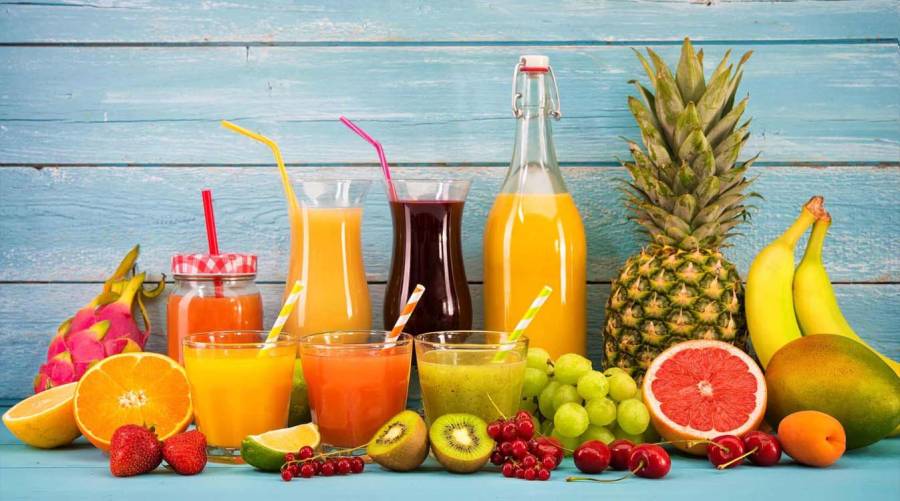
Eating whole fruit rather than relying on fruit juice may offer greater nutritional advantages for heart health, according to a large US study that found a more consistent association between whole-fruit consumption and cardiovascular conditions than between fruit juice intake and heart health.
Published in Current Developments in Nutrition, the study analysed data from 371,038 adults who participated in the 2019 Behavioural Risk Factor Surveillance System (BRFSS), examining how frequently they consumed whole fruit and 100% fruit juice in relation to cardiovascular health.
Researchers found that people with high blood pressure, high cholesterol, coronary heart disease or a history of heart attack generally reported eating whole fruit less frequently than those without these conditions.
The findings for fruit juice were less consistent. Participants with high cholesterol reported lower juice consumption, while those with a previous heart attack reported higher consumption. No clear pattern emerged for people with high blood pressure or a history of stroke.
On average, participants reported eating whole fruit 1.06 times daily, compared with approximately 0.3 times daily for fruit juice.
The findings highlight the potential importance of choosing whole fruit over juice as a regular dietary option, although the observational study cannot establish that eating less fruit causes cardiovascular disease or that consuming more whole fruit directly prevents it.
One of the biggest nutritional differences between whole fruit and fruit juice is dietary fibre.
Conventional juicing removes much of the fibre contained in fruit pulp, whereas whole fruit retains its natural fibre, which supports digestive health, cholesterol regulation and blood sugar management.
Registered dietitian Jennifer Pallian, who commented on the research, explained that soluble fibre can help lower low-density lipoprotein (LDL), commonly known as bad cholesterol, by binding to bile salts in the digestive tract and promoting their elimination.
Fibre may also support healthy blood pressure, reduce inflammation and contribute to weight management, all of which can influence cardiovascular risk.
Whole fruit also requires chewing and generally provides greater satiety than juice, potentially helping people regulate their food intake and maintain a healthy weight.
The nutritional difference can be illustrated by oranges. One cup of orange segments contains approximately 3.6 grams of fibre, compared with just 0.5 grams in one cup of 100% orange juice.
Beyond fibre, whole fruits contain polyphenols and other beneficial plant compounds that may support blood vessel function and cardiovascular health.
Pallian also highlighted non-extractable polyphenols, which remain bound to dietary fibre and can reach the colon, where gut bacteria break them down into potentially beneficial compounds.
These substances may contribute to improved cholesterol regulation, blood pressure management and other processes associated with cardiovascular health.
Does fruit juice still offer heart-health benefits?
Despite the nutritional advantages of whole fruit, 100% fruit juice should not automatically be considered unhealthy.
Unsweetened 100% fruit juice provides vitamins, minerals and beneficial plant compounds, including certain carotenoids and polyphenols. Some of these compounds may also be more readily available for absorption in juice than in whole fruit.
Previous research has reported potential cardiovascular benefits associated with moderate consumption of 100% fruit juice.
A large Dutch study, for example, found that moderate intake of 100% fruit juice, defined as up to seven small glasses weekly, was associated with a lower risk of cardiovascular disease and coronary heart disease.
Other research has suggested that consuming up to 200 millilitres of fruit juice daily may offer some cardiovascular benefits, although findings across studies are not entirely consistent.
Neurologist and stroke physician Dr Rab Nawaz, who was not involved in the current research, recommended choosing 100% fruit juice without added sugar and keeping portions moderate, ideally around 4 ounces (approximately 120 millilitres).
However, juice should not be considered nutritionally equivalent to whole fruit because it generally contains substantially less fibre and may be less filling.
It is also important to distinguish 100% fruit juice from fruit-flavoured drinks, which may contain added sugars and other ingredients.
Although the study involved more than 371,000 participants, its findings should be interpreted cautiously.
The research used a cross-sectional observational design, meaning it examined reported dietary habits and cardiovascular conditions at a particular point rather than following participants over time.
Consequently, researchers could identify associations but could not establish whether lower whole-fruit consumption contributed to cardiovascular disease or whether people changed their eating habits after receiving a diagnosis.
Another limitation was the measurement of consumption frequency rather than actual serving sizes or quantities. This prevented researchers from determining how much fruit participants consumed or identifying an optimal intake level.
The findings also relied on self-reported information, which can be affected by inaccurate recall. Differences in exercise, body weight, income, smoking, education and overall dietary patterns could also have influenced the results.
Furthermore, the study population consisted of US adults, so its findings should not automatically be generalised to populations with different dietary habits and health profiles.
For people who find the texture of whole fruit difficult to tolerate, several alternatives can help retain more of its nutritional value without relying entirely on juice.
Blending whole fruit into an unstrained smoothie preserves much of its fibre and offers a practical alternative. Unsweetened applesauce, mashed bananas, soft berries and cooked fruits are other options.
However, smoothies are not entirely equivalent to whole fruit. Eating intact fruit involves chewing and preserves its natural structure, which may contribute to greater fullness and better appetite regulation.
For people who prefer juice, choosing unsweetened 100% fruit juice and keeping portions moderate can help incorporate it into a balanced diet.
Ultimately, the research reinforces the nutritional advantages of whole fruit, particularly its fibre content and beneficial plant compounds. While 100% fruit juice can still contribute valuable nutrients, making whole fruit a regular part of a balanced diet remains a practical dietary choice for supporting cardiovascular health.
Stay connected with Medical News Pakistan
CLICK HERE TO FOLLOW Medical News Pakistan on WhatsApp for verified global medical breakthroughs, healthcare innovations, clinical research updates and important developments shaping medicine and healthcare in Pakistan and around the world. Get the medical news that matters, delivered straight to your WhatsApp.

Advertisement
E-PAPER

Trending
Popular
One in four people with cerebral palsy may have a genetic cause, ...
-
Pakistan pharma sector profits rise 11% ...
02:45 PM, 3 Nov, 2026 -
Tea for a healthier heart? Read this ...
05:52 PM, 2 Nov, 2026 -
37 AKU researchers join world's top 2% ...
06:47 PM, 16 Oct, 2026 -
Could a heart calcium scan reveal your ...
01:36 PM, 13 Oct, 2026
Follow us on Facebook
Follow us on Twitter
Copyright ©2026 Medical News. All Rights Reserved.