
Asia’s anti-vape policies are saving cigarettes, not lives
How restrictive tobacco control strategies across Asia are reinforcing smoking and delaying harm reduction
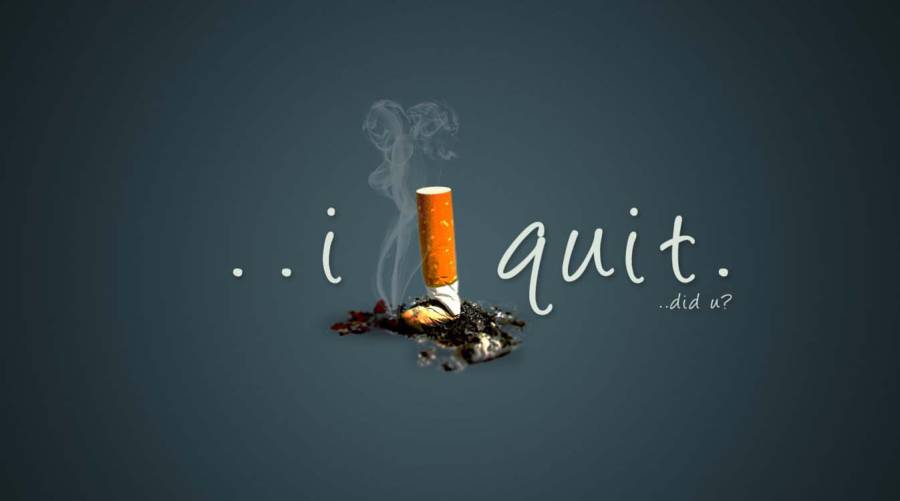
Asia’s tobacco policies are entrenching smoking instead of reducing harm
The Asia-Pacific region remains the epicentre of the global smoking crisis, accounting for the majority of the world’s smokers and millions of tobacco-related deaths each year. Despite decades of tobacco control efforts, combustible cigarettes continue to dominate nicotine consumption across much of Asia—raising an uncomfortable question for policymakers: why is the most dangerous form of nicotine still the most accessible?
Emerging scientific consensus suggests the problem is not nicotine itself, but how it is delivered. Yet across Asia, regulatory strategies continue to focus on banning or severely restricting lower-risk alternatives, while cigarettes remain legal, affordable, and widely available.
Combustion, not nicotine, drives tobacco disease
Medical science has long established that smoking-related cancers, heart disease, and chronic lung conditions are caused by toxic by-products of burning tobacco—not nicotine alone. Tar, carbon monoxide, and thousands of combustion chemicals are the primary drivers of harm.
For smokers who struggle to quit entirely, non-combustible alternatives such as vaping products, heated tobacco, and oral nicotine significantly reduce exposure to these toxins when properly regulated. This risk continuum is now recognised by several global health authorities, including Royal College of Physicians and Public Health England, both of which have concluded that vaping is substantially less harmful than smoking.
Countries that acknowledged harm reduction saw smoking decline
Real-world evidence reinforces this science. Japan’s introduction of heated tobacco products coincided with one of the steepest drops in cigarette sales ever recorded in a major market. Sweden, through long-standing acceptance of oral nicotine products, has achieved some of the world’s lowest smoking rates and tobacco-related disease burdens.
These outcomes were not driven by prohibition—but by regulated access to lower-risk alternatives.
Asia’s bans are protecting cigarettes by default
Despite this evidence, many Asian countries have adopted restrictive or prohibitionist approaches toward vaping and other reduced-risk products.
India, Thailand, Vietnam, and Bangladesh have implemented outright bans or sweeping restrictions, while cigarettes, bidis, and smokeless tobacco remain legal. The result has been predictable: smoking rates remain stubbornly high, while demand for alternatives shifts into unregulated illicit markets.
In India, for example, enforcement data show rising seizures of smuggled vaping devices—indicating not declining demand, but expanding black-market activity. These products are sold without age verification, quality controls, or ingredient transparency, increasing risks for consumers, particularly youth.
Public health researchers warn that unregulated markets are more dangerous than regulated ones, exposing users to adulterated or poorly manufactured products—risks largely absent in controlled legal frameworks.
Pakistan stands at a regulatory crossroads
Pakistan is now moving toward tighter regulation of vaping products, with proposed legislation including age limits, advertising restrictions, and penalties for illegal trade. While regulation is necessary, experts caution that treating vaping exactly like cigarettes may unintentionally discourage adult smokers from switching.
International experience suggests that when safer alternatives are over-taxed, hidden from consumers, or framed as equally harmful, cigarette use persists—especially among low-income smokers who bear the greatest health burden.
For a country already facing high rates of oral cancer, cardiovascular disease, and tobacco-related illness, policy design will determine whether regulation reduces harm—or preserves the status quo.
Harm reduction is a public health tool, not an ideology
Harm reduction is widely accepted in other areas of healthcare, from opioid substitution therapy to needle exchange programs. Yet when applied to tobacco, it often faces ideological resistance rather than evidence-based evaluation.
Independent research organisations consistently report that countries embracing proportionate, risk-based regulation see faster declines in smoking than those pursuing bans. Where alternatives are accessible, affordable, and accurately communicated, smokers switch—and disease rates fall.
High smoking rates signal failure, not success
The continued dominance of cigarettes across Asia is not evidence of effective tobacco control—it is evidence of policy misalignment. Prohibition has not eliminated nicotine use; it has ensured that the most lethal product remains the default choice.
With millions of preventable deaths occurring annually—most of them in Asia—the cost of delaying harm reduction is measured in lives, not ideology.
Stay informed and protect your health!
CLICK HERE TO JOIN Medical News Pakistan on WhatsApp for expert tips, health updates, and the latest medical research straight to your phone.

Advertisement
E-PAPER

Trending
Popular
Obesity linked to 229 diseases, may shorten life by 11 years, experts ...
-
Pakistan’s Dr. Misha Tanveer takes ...
04:03 PM, 16 Sep, 2026 -
Calorie deficit for weight loss: How to ...
06:00 PM, 24 Aug, 2026 -
Vaccine maker warns of wider TBE, ...
05:00 PM, 21 Aug, 2026 -
FDA authorizes first robot to draw ...
06:11 PM, 20 Aug, 2026
Follow us on Facebook
Follow us on Twitter
Copyright ©2026 Medical News. All Rights Reserved.