PIMS announces major hospital reforms after nursery fire tragedy
Federal government-run biggest hospital in Islamabad plans to strengthen medicine supplies, replace outdated equipment, expand specialist surgical training and increase maternal and child healthcare capacity following the deadly nursery fire.
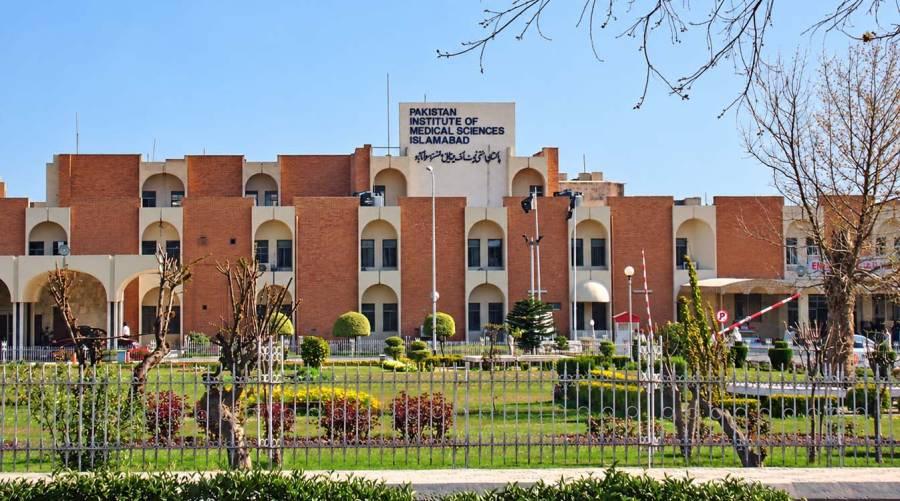
ISLAMABAD: The Pakistan Institute of Medical Sciences (PIMS) has announced a series of institutional reforms aimed at improving patient care, modernising hospital infrastructure and expanding medical education following a recent tragedy at the facility.
New Executive Director Prof. Dr. Tanveer Khaliq announced the measures, which include improving medical services, ensuring an uninterrupted supply of medicines, replacing outdated electromechanical equipment and introducing specialised postgraduate surgical training programmes.
According to PIMS spokesperson Sajid Abbasi, procurement and logistics protocols for inpatient wards and outpatient departments (OPDs) have been improved to ensure the continuous availability of medicines for patients.
The hospital is also systematically replacing outdated electromechanical equipment in General Surgery, Internal Medicine, Gastroenterology, Pulmonology and the Dialysis Unit. The upgrades are intended to modernise clinical facilities and support the delivery of medical services across these departments.
Specialist surgical training programmes introduced
PIMS is expanding its medical education portfolio through specialised postgraduate master's programmes in breast surgery, colorectal surgery, hepatobiliary surgery and minimally invasive surgery.
Abbasi said the programmes had been launched in affiliation with the university, creating additional opportunities for advanced surgical training.
The specialised fields cover several areas of surgical practice, including the treatment of breast conditions, colorectal diseases, disorders affecting the liver and biliary system, and procedures that use minimally invasive techniques.
The expansion forms part of the hospital's broader effort to strengthen its academic role alongside improvements in clinical services. Further details about enrolment, programme capacity and training schedules were not provided in the announcement.
Dedicated thoracic surgery department planned
Prof. Dr. Khaliq has also announced plans to establish a dedicated Department of Thoracic Surgery at PIMS.
The proposed department would add a specialised service to the hospital's clinical portfolio. Thoracic surgery focuses on surgical conditions involving structures within the chest, including the lungs and other organs in the thoracic cavity.
The administration has not specified a timeline for establishing the department or provided details about its proposed staffing, facilities and operational capacity.
The plan is part of the wider programme to develop specialised clinical services and expand the hospital's capacity to provide advanced care.
Mother and Child Health Center to undergo expansion
The PIMS administration is renovating and expanding its Mother and Child Health Center to increase bed capacity and the number of operating suites.
The planned expansion is intended to strengthen the facility's capacity to accommodate patients and support maternal and child healthcare services.
The announcement did not specify how many additional beds or operating suites would be provided, or when the renovation and expansion work would be completed.
The development is among the infrastructure measures being pursued as the hospital seeks to improve its facilities and strengthen patient services following the recent tragedy.
Recruitment and induction procedures
In another measure, PIMS has implemented the Federal Central Induction Policy for the selection of postgraduate trainees, house officers and nursing staff.
The policy is intended to provide a transparent framework for staff selection and induction across these categories.
Postgraduate trainees and house officers play important roles in hospital-based clinical training and patient care, while nursing staff support treatment, monitoring and day-to-day clinical operations.
The implementation of the policy forms part of the administration's broader efforts to strengthen institutional processes alongside improvements to hospital infrastructure and medical education.
A broader push to strengthen patient care
The announced measures span several areas of hospital operations, including medicine procurement, equipment modernisation, specialised surgical education, departmental development, maternal and child healthcare capacity, and staff selection.
For patients, the administration has highlighted the importance of improving medicine availability and upgrading clinical facilities. For medical professionals and trainees, the new postgraduate programmes and proposed expansion of specialised departments are intended to create further opportunities for advanced clinical practice and education.
However, the measures are at different stages of implementation. The administration has reported improvements to procurement and logistics protocols and the implementation of the Federal Central Induction Policy, while equipment replacement and renovation work are under way. The thoracic surgery department remains a plan announced by the executive director.
The eventual impact of the measures will depend on their implementation, the availability of resources and staff, and the hospital's ability to sustain improvements in its clinical and academic services.
As PIMS moves forward with the announced changes, the progress of these initiatives will be important in determining how effectively the hospital strengthens patient care, modernises its facilities and expands specialist medical training.
Stay connected with Medical News Pakistan
CLICK HERE TO FOLLOW Medical News Pakistan WhatsApp channel and stay connected with Medical News Pakistan for the latest healthcare developments, medical research, professional education updates, career opportunities and important health news from Pakistan and around the world.

Advertisement
E-PAPER
Trending
Popular
WHO rules out weight-loss drugs for under-10s in first guidelines on ...
-
Global life expectancy rebounds, but ...
03:17 PM, 5 Oct, 2026 -
Scientists discover new human blood ...
04:49 PM, 2 Oct, 2026 -
Dow launches ‘Bug & Drug’ app to ...
03:48 PM, 30 Sep, 2026 -
Obesity linked to 229 diseases, may ...
05:28 PM, 21 Sep, 2026
Follow us on Facebook
Follow us on Twitter
Copyright ©2026 Medical News. All Rights Reserved.