
Can creatine help you age better? What science says about muscle, memory and longevity
Once known mainly as a bodybuilding supplement, creatine is gaining attention for its potential to support muscle strength, brain health and healthy aging. But can it really slow the effects of growing older?
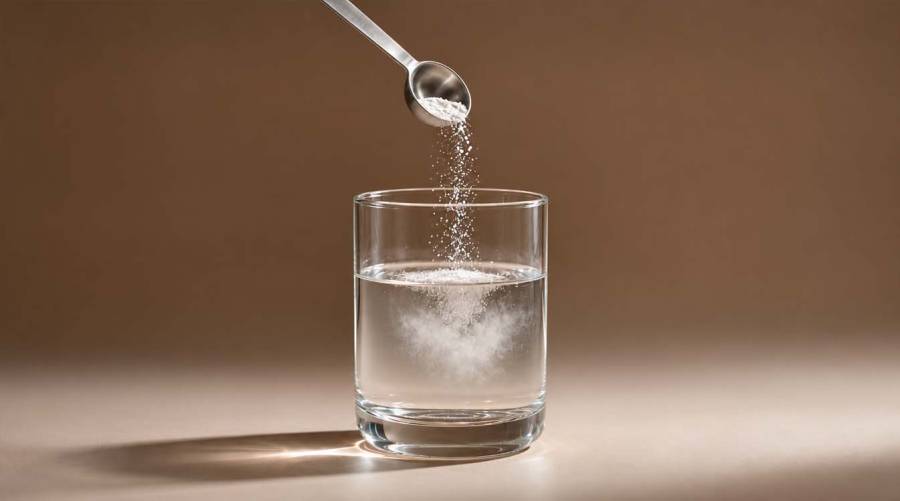
A supplement commonly found in gym bags may have a bigger role in healthy aging than previously thought. Creatine, widely used by athletes to improve strength and exercise performance, is now being investigated for its potential to help older adults maintain muscle, preserve physical independence and support brain function.
As interest in longevity and anti-aging treatments continues to grow, creatine has emerged as one of the most discussed supplements in the field. Unlike many products promoted for their supposed age-defying properties, creatine has decades of scientific research supporting its effects on exercise performance.
However, researchers are still working to understand whether these benefits extend to cognitive health, menopause and long-term aging.
While evidence suggests creatine can support muscle strength, particularly when combined with resistance training, claims that it prevents dementia or extends lifespan remain unproven.
What is creatine, why does body need it?
Creatine is a naturally occurring compound that helps the body produce energy during physical activity.
The body manufactures creatine using amino acids, while foods such as meat, poultry and fish provide additional amounts. Most of the body's creatine is stored in skeletal muscles, with smaller amounts found in the brain and other tissues.
Its main function is to help replenish adenosine triphosphate (ATP), the molecule responsible for supplying energy to cells.
During activities that require short bursts of effort, such as lifting weights, climbing stairs or sprinting, creatine helps muscles produce energy more efficiently.
This ability explains why creatine supplementation has been widely used to improve strength and high-intensity exercise performance.
Scientists are now exploring whether supporting cellular energy production could also help maintain physical and cognitive function as people grow older.
Can creatine protect muscles as we age?
One of the biggest challenges associated with aging is the gradual loss of muscle mass and strength.
Beginning in adulthood, muscle mass can decline progressively, with the rate of loss often accelerating later in life.
This can make everyday activities, including walking, climbing stairs, carrying groceries and getting out of a chair, increasingly difficult.
In more severe cases, age-related muscle loss can contribute to sarcopenia, a condition associated with frailty, reduced mobility and a higher risk of falls.
Research suggests that creatine may help older adults maintain strength, especially when taken alongside regular resistance training.
A 2026 systematic review and meta-analysis involving adults aged 60 and older found that creatine supplementation combined with resistance exercise produced modest additional improvements in muscle strength compared with resistance training alone.
However, improvements in muscle mass and overall physical function were not consistently demonstrated across the studies.
The findings suggest that creatine may enhance some of the benefits of exercise rather than independently preventing muscle loss.
For older adults, the greatest potential benefit appears to come from combining creatine with strength-building activities, adequate protein intake and regular physical movement.
Creatine and menopause: Could women benefit?
Researchers are also examining whether creatine could help women manage some of the physical changes associated with menopause.
During perimenopause and menopause, declining oestrogen levels can contribute to changes in muscle mass, strength, body composition and bone health.
These changes may increase the importance of maintaining physical fitness and resistance training.
A 2026 meta-analysis of seven randomised controlled trials involving 608 postmenopausal women reported encouraging results.
Women receiving creatine supplementation experienced an average additional gain of approximately 0.37 kilograms in lean mass compared with control groups.
Researchers also observed improvements in leg-press strength, with an average additional increase of approximately 7.5 kilograms.
The most promising findings were associated with creatine doses of at least 5 grams daily combined with resistance training.
However, the same analysis did not establish significant improvements in bone mineral density.
This means creatine should not be considered a substitute for established treatments for osteoporosis or other menopause-related medical conditions.
Early research has also explored possible benefits for sleep, mood and cognitive performance in menopausal women, although these findings remain preliminary.
Larger clinical trials are needed to determine whether such effects translate into meaningful long-term health improvements.
Does creatine improve memory, brain function?
Creatine's potential benefits for brain health have become another important area of scientific investigation.
The brain requires a continuous supply of energy to support memory, concentration, learning and communication between nerve cells.
Because creatine plays a role in cellular energy production, researchers believe it may help support brain function under certain conditions.
A 2024 meta-analysis of 16 randomised controlled trials involving 492 adults examined the effects of creatine supplementation on cognitive performance.
The analysis identified potential improvements in memory and certain measures of attention and processing speed.
However, the results were mixed, and researchers did not find consistent improvements across all areas of cognition.
Some smaller studies suggest creatine may be particularly useful when the brain is under increased stress, such as during sleep deprivation.
In one experiment involving 15 young adults who remained awake for 21 hours, a large single dose of creatine was associated with better performance on certain cognitive tests.
Although these findings are interesting, they cannot establish that taking creatine daily will preserve memory or prevent cognitive decline in older adults.
Improving performance on a memory test is not the same as preventing age-related brain disease.
More research involving older populations is necessary before creatine can be recommended specifically for maintaining cognitive health.
Can creatine help prevent Alzheimer's disease?
Scientists have also begun investigating creatine's possible role in neurodegenerative conditions, including Alzheimer's disease.
A small 2025 pilot study conducted at the University of Kansas examined creatine supplementation in 20 adults with Alzheimer's disease.
Participants received 20 grams of creatine daily for eight weeks.
Researchers observed an approximately 11% increase in brain creatine concentrations, along with improvements in certain cognitive assessment scores.
However, the study did not include a placebo comparison group and involved relatively few participants.
Consequently, it was not possible to determine whether the observed changes were directly caused by creatine.
The dosage was also considerably higher than the amount generally recommended for routine supplementation.
While the results justify further investigation, there is currently insufficient evidence to conclude that creatine prevents, treats or slows Alzheimer's disease.
It should not replace established medical care for dementia or other neurological conditions.
Can taking creatine help people live longer?
Perhaps the most ambitious claim surrounding creatine is that it could slow biological aging or increase lifespan.
Scientists are exploring this possibility, but the available evidence remains limited.
A 2025 observational study involving more than 4,000 American adults investigated the relationship between dietary creatine intake and mortality over approximately two decades.
The researchers initially observed that participants consuming at least 1 gram of creatine daily through food had a lower risk of death from all causes.
However, the association became weaker after accounting for factors such as age, smoking and alcohol consumption.
Importantly, the study examined creatine obtained through food rather than supplements.
People who consume more creatine-rich foods may also differ in their overall dietary patterns, lifestyle habits and general health.
Therefore, the findings cannot establish that creatine itself reduces mortality.
Other investigations have examined dietary creatine intake in relation to biological aging markers, but these associations also require further study.
At present, no convincing clinical evidence demonstrates that creatine supplementation extends human lifespan.
However, scientists distinguish between living longer and living healthier.
The concept of healthspan refers to the years a person remains physically and mentally functional, with fewer limitations caused by illness or disability.
Creatine's potential contribution to preserving muscle strength may therefore be more relevant to healthy aging than claims about extending lifespan.
How much creatine is recommended?
For most healthy adults who choose to use creatine, a commonly studied maintenance dose is 3 to 5 grams of creatine monohydrate daily.
Creatine works by gradually increasing the amount stored in the muscles. Unlike caffeine, it does not provide an immediate stimulating effect.
Regular intake is therefore generally more important than taking it at a particular time of day.
Some sports nutrition programmes use an initial loading phase involving higher doses to increase muscle creatine stores more rapidly. However, loading is not necessary for most people.
Researchers have investigated larger doses for specific conditions, including cognitive studies, but these experimental amounts are not appropriate as general recommendations.
Taking higher doses does not automatically mean better results.
People considering supplementation should account for their health status, medications and individual nutritional needs.
What is the best type of creatine?
Creatine monohydrate is the most extensively researched form of creatine and remains the standard choice for most people.
It is widely available as a powder that can be mixed with water, milk, smoothies or other beverages.
There is little convincing evidence that more expensive creatine formulations consistently provide greater benefits than conventional creatine monohydrate.
The timing of supplementation also appears less important than consistency.
Individuals may take creatine before exercise, after exercise or at another convenient time.
When choosing a supplement, product quality should be considered. Independent third-party testing can help provide assurance about ingredient identity and potential contamination.
Consumers should be cautious of products promising dramatic anti-aging effects, immediate improvements in intelligence or guaranteed protection against disease.
Such claims go beyond the available scientific evidence.
Is creatine safe? What about kidney health?
Creatine monohydrate has an extensive safety record when used at appropriate doses by generally healthy adults.
However, some individuals may experience mild side effects, including digestive discomfort, bloating or temporary weight gain caused partly by increased water retention in muscles.
Kidney health is a common concern.
Studies involving healthy adults have generally not shown that recommended creatine supplementation causes kidney damage.
However, taking creatine can increase blood creatinine levels, a laboratory marker commonly used to assess kidney function.
This increase does not necessarily indicate kidney injury, but it can complicate the interpretation of blood tests.
People with existing kidney disease, reduced kidney function or conditions requiring regular kidney monitoring should seek medical advice before taking creatine.
The same caution applies to individuals taking medications that may affect kidney function.
Older adults, particularly those managing multiple medical conditions, should discuss supplementation with a qualified healthcare professional.
Who may benefit most from creatine supplementation?
Although creatine is often marketed to young athletes, its potential uses may extend to other groups.
Current evidence suggests possible benefits for:
- Older adults: Particularly those participating in resistance training to maintain strength and physical independence.
- Postmenopausal women: Some research suggests additional benefits for lean mass and muscular strength when creatine is combined with exercise.
- Physically active adults: Creatine can improve performance during repeated short bursts of high-intensity activity.
- Vegetarians and vegans: People consuming little or no dietary creatine may have lower baseline muscle creatine stores and could experience a greater response to supplementation.
- People seeking to preserve muscle function: Creatine may complement an appropriate strength-training and nutrition programme.
However, benefits vary between individuals, and supplementation is not essential for everyone.
People who do not exercise regularly should not expect creatine alone to prevent the physical consequences of aging.
Healthy aging requires more than a supplement
The growing attention surrounding creatine reflects a wider interest in preventing age-related decline rather than simply treating disease after it develops.
Maintaining physical independence, preserving cognitive abilities and reducing the risk of chronic illness are important goals of healthy aging.
However, no single supplement can replace the combined benefits of regular physical activity, nutritious food, adequate sleep and preventive healthcare.
Strength training remains particularly important because it helps preserve muscle function, supports mobility and contributes to healthier aging.
Adequate dietary protein is also essential for maintaining muscle tissue, while aerobic exercise benefits cardiovascular health.
Creatine may offer additional support for certain individuals, but it works best as part of a broader approach to health.
The bottom line: Is creatine worth taking for healthy aging?
Creatine is one of the best-researched supplements in sports nutrition, and its potential role in healthy aging is attracting increasing scientific attention.
Evidence indicates that it can provide modest additional improvements in muscle strength when combined with resistance training, including in older adults.
Research involving postmenopausal women has also produced encouraging findings, while investigations into memory, brain function and neurological conditions remain at earlier stages.
However, claims that creatine reverses aging, prevents dementia or extends human lifespan are not currently supported by convincing clinical evidence.
For people seeking to remain stronger and physically independent as they grow older, creatine may be a useful addition to an appropriate exercise and nutrition programme.
The real promise of creatine may not be helping people live more years, but helping them maintain strength and function during the years they have.
Medical disclaimer: This article is intended for educational and informational purposes only. Creatine supplementation may not be appropriate for everyone. Individuals with underlying medical conditions or those taking regular medications should consult a qualified healthcare professional before beginning supplementation.
Stay connected with Medical News Pakistan
CLICK HERE TO FOLLOW Medical News Pakistan on WhatsApp for updates on children's health, patient-centred care, mental well-being, healthcare innovations and the initiatives making a difference in hospitals across Pakistan.

Advertisement
E-PAPER
Trending
Popular
Fruit juice or whole fruit? New research reveals which is better for ...
-
One in four people with cerebral palsy ...
05:51 PM, 3 Nov, 2026 -
Pakistan pharma sector profits rise 11% ...
02:45 PM, 3 Nov, 2026 -
Tea for a healthier heart? Read this ...
05:52 PM, 2 Nov, 2026 -
37 AKU researchers join world's top 2% ...
06:47 PM, 16 Oct, 2026
Follow us on Facebook
Follow us on Twitter
Copyright ©2026 Medical News. All Rights Reserved.