
Scientists develop groundbreaking gene therapy to fix skin disorders
UBC researchers create a first-of-its-kind topical treatment that could permanently cure rare and common skin conditions
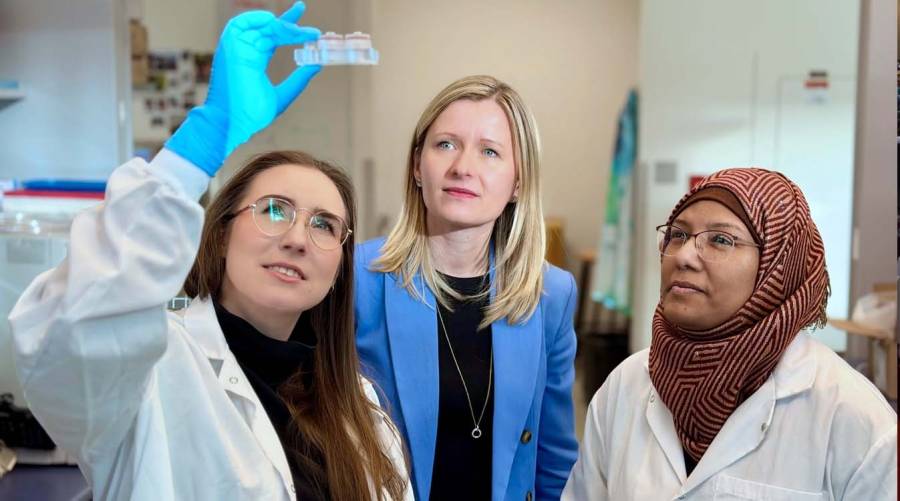
Scientists develop groundbreaking gene therapy to fix skin disorders
In a world-first breakthrough, researchers at the University of British Columbia (UBC) have developed a topical gene therapy capable of correcting faulty genes in human skin, offering hope for permanent cures for a wide range of genetic and common skin conditions.
Working alongside the Berlin Institute of Health at Charité, Germany, the team successfully applied this therapy to living human skin models. The study, published in Cell Stem Cell, demonstrates that the treatment can restore up to 30 percent of normal skin function—a clinically significant improvement that could transform patient care.
Treating the root cause, not just symptoms
Dr. Sarah Hedtrich, associate professor at UBC’s School of Biomedical Engineering, explained that the therapy directly targets the underlying genetic mutations causing disease.
“This treatment is safe, scalable, and easy to use,” said Dr. Hedtrich. “Our data suggests a single application could offer a long-lasting cure, treating the root cause rather than just alleviating symptoms.”
You may like to read: 10 secrets for healthier-looking and glowing skin, according to dermatologists
The therapy has shown success in autosomal recessive congenital ichthyosis (ARCI), a rare but severe condition causing extremely dry, scaly skin, chronic inflammation, and high risk of infections. Currently, ARCI patients must manage symptoms throughout life with no effective treatment.
A versatile platform with broad potential
While ARCI is rare, this therapy could be adapted to treat other genetic skin disorders, including epidermolysis bullosa (“butterfly skin”), and potentially more common conditions such as eczema and psoriasis.
“This is a versatile platform,” Dr. Hedtrich added. “It can be adapted for almost any skin disease, opening new horizons for dermatology and personalized medicine.”
Innovative delivery overcomes skin barriers
The skin’s protective role has long made gene therapy delivery a challenge. The team overcame this by combining microscopic, painless laser openings with lipid nanoparticles, a safe delivery method also used in mRNA vaccines.
People also read: 2025 skincare trends: Gen Alpha influence, Neurocosmetics lead the way
These nanoparticles carry the gene-editing therapy into skin stem cells, where it corrects the faulty DNA and restores normal skin function. Tests confirmed no off-target effects, a critical milestone in safety.
Next steps: Clinical trials
The study was conducted in collaboration with NanoVation Therapeutics, a UBC spin-off focused on LNP-based genetic medicines. Researchers are now preparing for first-in-human trials, working closely with regulatory authorities to ensure safety and efficacy.
“Our goal is to bring a safe, effective treatment to patients who currently have no real options,” Dr. Hedtrich said. “This therapy could truly transform lives.”
Stay informed, stay healthy!
CLICK HERE TO JOIN Medical News Pakistan on WhatsApp for latest stories, expert tips, health updates, and the medical research straight to your phone.

Advertisement
E-PAPER
Trending
Popular
Pakistan’s Dr. Misha Tanveer takes air pollution research to Europe ...
-
Calorie deficit for weight loss: How to ...
06:00 PM, 24 Aug, 2026 -
Vaccine maker warns of wider TBE, ...
05:00 PM, 21 Aug, 2026 -
FDA authorizes first robot to draw ...
06:11 PM, 20 Aug, 2026 -
One blood test for multiple cancers ...
04:52 PM, 11 Aug, 2026
Follow us on Facebook
Follow us on Twitter
Copyright ©2026 Medical News. All Rights Reserved.