
Pakistani girl with thalassemia cured in China using gene-editing drug
4-year-old Ayeza becomes the first foreign minor to receive China’s breakthrough gene therapy CS-101, offering global hope for thalassemia major patients
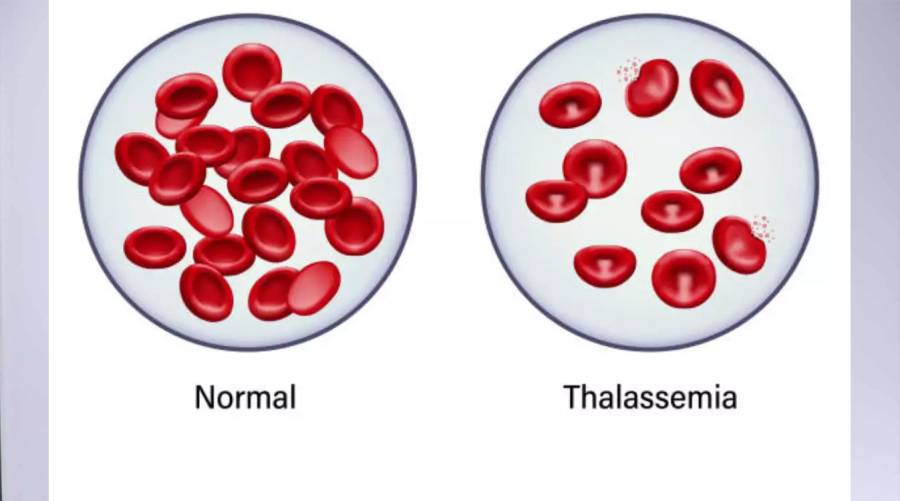
First foreign child with thalassemia successfully treated in China using advanced gene-editing therapy
SHANGHAI, CHINA: A groundbreaking medical achievement has been reported from Shanghai, where a 4-year-old Pakistani girl named Ayeza, diagnosed with thalassemia major, has been successfully cured using CS-101, an experimental gene-editing therapy developed in China. This marks the first time a foreign minor has undergone such treatment, making it a milestone in global thalassemia care and gene therapy applications.
Ayeza, who traveled to Shanghai with her parents in January 2025, was one of four patients selected to receive CS-101, a base-editing gene therapy. The treatment was administered at a leading medical facility in China and has proven successful—Ayeza is now able to live a normal, healthy life without the need for repeated blood transfusions, which are the standard but burdensome treatment for thalassemia.
CS-101 works by correcting the faulty gene responsible for thalassemia, using base-editing technology to modify DNA at the molecular level. This approach differs from traditional gene therapies by offering higher precision and fewer risks.
A milestone for global gene therapy
The success of CS-101 has not only brought life-changing results for Ayeza and her family but has also ignited international attention in the medical and genetic research community. The treatment opens new doors for future applications of gene-editing therapies for life-threatening genetic disorders, especially among children.
To mark the success, the hospital held a special ceremony celebrating Ayeza’s recovery and emphasizing the significance of this advancement. The event also served as a beacon of hope for millions of families worldwide affected by genetic diseases such as thalassemia.
What this means for thalassemia patients
Thalassemia major is a genetic blood disorder that affects the body’s ability to produce healthy red blood cells, often requiring lifelong blood transfusions and leading to complications such as iron overload, organ damage, and reduced quality of life.
The introduction of CS-101 presents a promising alternative to current treatments by targeting the root cause of the disease. Its success in Ayeza's case reflects China’s growing leadership in the field of gene-editing medicine, and its willingness to extend such innovations to international patients.
This medical breakthrough demonstrates the potential of cross-border collaboration in healthcare, highlighting how advanced therapies can transcend geographic boundaries to save lives.
CLICK HERE TO FOLLOW the official Medical News Pakistan WhatsApp Channel for real-time updates, expert insights, and exclusive stories that matter to every person.

Advertisement
E-PAPER
Trending
Popular
Pakistan’s Dr. Misha Tanveer takes air pollution research to Europe ...
-
Calorie deficit for weight loss: How to ...
06:00 PM, 24 Aug, 2026 -
Vaccine maker warns of wider TBE, ...
05:00 PM, 21 Aug, 2026 -
FDA authorizes first robot to draw ...
06:11 PM, 20 Aug, 2026 -
One blood test for multiple cancers ...
04:52 PM, 11 Aug, 2026
Follow us on Facebook
Follow us on Twitter
Copyright ©2026 Medical News. All Rights Reserved.