
New oral drug to reduce LDL cholesterol shows major breakthrough in cardiovascular care
From Merck’s promising oral PCSK9 inhibitor to China’s AI diagnostic capsule and an Indian teen’s lifesaving cardiovascular app, medical innovation accelerates worldwide.
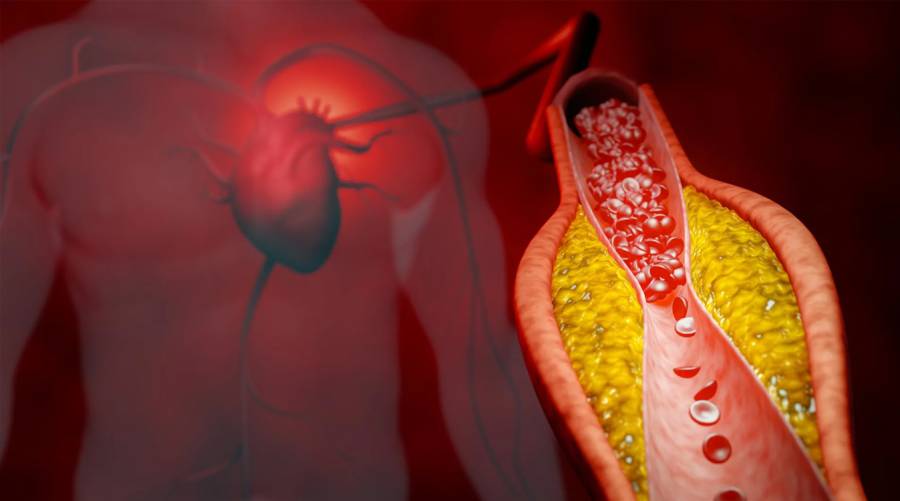
New oral drug to reduce LDL cholesterol shows major breakthrough in cardiovascular care
A new oral medication to reduce LDL cholesterol has shown exceptional promise in a recent medical study, marking a potential breakthrough for patients with heterozygous familial hypercholesterolemia (HeFH). The findings, published in the Journal Of The American Medical Association (JAMA), reveal that Merck’s experimental drug Enlicitide reduced bad cholesterol levels by nearly 60%, positioning it as a major advancement in cardiovascular care.
Enlicitide belongs to the class of PCSK9 inhibitors, which until now have only been available as injections. By formulating the therapy as a pill for the first time, researchers aim to offer patients a more convenient and accessible pathway to manage genetically driven high cholesterol.
A major step forward for inherited high cholesterol
Heterozygous familial hypercholesterolemia affects approximately one in 250 people due to a mutation that limits the body’s ability to clear LDL cholesterol from the bloodstream. As LDL builds up in arteries, the risk of early heart disease and stroke increases significantly. Despite the availability of statins and other therapies, many HeFH patients struggle to achieve target LDL levels.
Enlicitide works by binding to PCSK9 proteins in the blood and protecting liver receptors responsible for clearing LDL cholesterol. By preserving these receptors, the liver can remove more LDL cholesterol, resulting in a substantial reduction of harmful levels in the bloodstream. This needle-free formulation represents a major shift in cholesterol treatment and could greatly improve adherence among patients who prefer oral medication.
Stay informed and protect your health!
CLICK HERE TO JOIN Medical News Pakistan on WhatsApp for expert tips, health updates, and the latest medical research straight to your phone.

Advertisement
E-PAPER
Trending
Popular
Pakistan’s Dr. Misha Tanveer takes air pollution research to Europe ...
-
Calorie deficit for weight loss: How to ...
06:00 PM, 24 Aug, 2026 -
Vaccine maker warns of wider TBE, ...
05:00 PM, 21 Aug, 2026 -
FDA authorizes first robot to draw ...
06:11 PM, 20 Aug, 2026 -
One blood test for multiple cancers ...
04:52 PM, 11 Aug, 2026
Follow us on Facebook
Follow us on Twitter
Copyright ©2026 Medical News. All Rights Reserved.