
Students dying, systems failing — PMDC steps in as outrage grows
From suicide cases to an OT video scandal, PMDC launches urgent hearings and signals strict action as questions grow over student safety in medical institutions
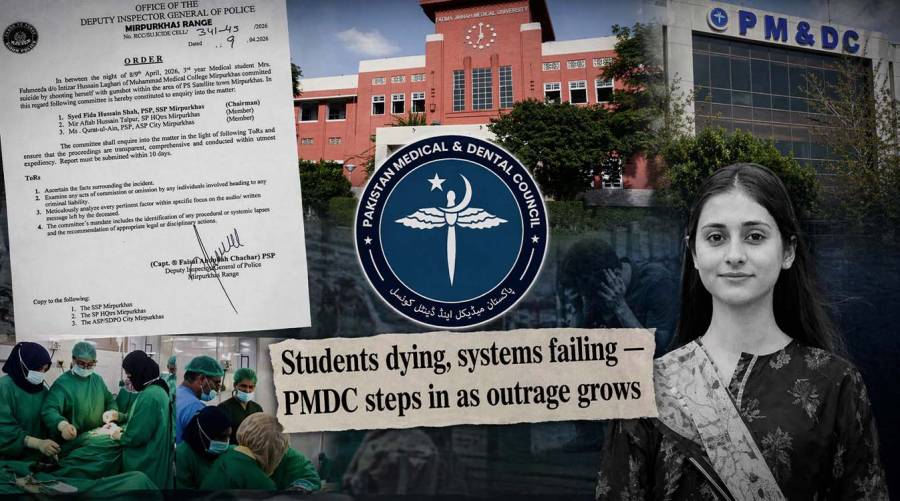
ISLAMABAD: A series of deeply troubling incidents — from student suicides to a viral operating theatre scandal — has forced Pakistan’s top medical regulator into urgent action, raising uncomfortable questions about how safe medical institutions really are for students.
In a high-stakes development, the Pakistan Medical and Dental Council convened multiple preliminary hearings on April 20, 2026, to examine cases that many believe point toward a growing crisis within the country’s medical education system.
At the center of this unfolding situation are two tragic student suicides and a widely condemned incident involving doctors allegedly behaving unprofessionally inside an operating theatre — all now under formal scrutiny.
A regulator under pressure
Presiding over the hearings, PMDC President Prof. Dr. Rizwan Taj, alongside Registrar Dr. Rehan Naqvi, acknowledged the gravity of the incidents and issued a clear message: harassment, negligence, and misconduct will not be tolerated.
But beyond official statements, the urgency of the situation reflects a deeper concern — whether systemic gaps in oversight, grievance redressal, and student support are pushing vulnerable individuals to the edge.
Related story: Operating theatre or game zone? Viral leaked video from Lahore hospital raises privacy concerns
The cases that triggered alarm
The first hearing focused on what has now become known as the “OT video leak scandal” at Lady Wellington Hospital.
Five doctors — Dr. Tayaba Fatima, Dr. Zainab Tahir, Dr. Muhammad Essa, Dr. Ayesha Afzal, and Dr. Maham Amin — appeared before the council. The case involves a controversial video allegedly showing postgraduate trainees engaging in inappropriate conduct during surgical procedures, including making insensitive remarks while operating on patients.
The incident sparked outrage within the medical community, not just for ethical violations, but for what it revealed about professionalism and supervision inside clinical environments.
Related story: Father alleges harassment, blackmail behind Mirpurkhas medical student death; five booked
Tragedies that cannot be ignored
The second and third hearings addressed two separate student suicide cases — both deeply unsettling and difficult to overlook.
One case involved Ms. Fareeha, a final-year MBBS student at Fatima Jinnah Medical College. The college principal appeared before PMDC to present the institution’s account of events surrounding her death.
The third hearing examined the case of Ms. Fehmida Leghari, a third-year MBBS student at Muhammad Medical College. Once again, institutional representatives were called in to clarify circumstances and respond to concerns.
While official conclusions are still pending, both cases have intensified concerns around harassment, mental health pressures, and institutional accountability in medical colleges.
Related story: PMDC seeks report after medical student’s death, urges mental health reforms
What happens next
Following the preliminary proceedings, PMDC has forwarded all three cases to its Disciplinary Committee, which is expected to convene next week for final determinations.
According to Prof. Rizwan Taj, the council will pursue strict action against any individual or institution found responsible for misconduct, negligence, or violations of student protection policies.
Yet, the bigger question remains unresolved — whether reactive action after incidents is enough, or if deeper structural reforms are urgently needed.
A system under scrutiny
The developments have once again brought attention to the lack of robust grievance redressal mechanisms within medical institutions — an issue repeatedly flagged but rarely addressed with sustained policy action.
PMDC officials acknowledged this gap, emphasizing the need for stronger systems to ensure a safe, supportive, and accountable learning environment for students.
Because beyond regulations and hearings, the real issue is becoming harder to ignore:
How many warning signs are missed before a tragedy occurs?
The bigger picture
As Pakistan continues to produce thousands of future doctors each year, the responsibility to protect them during training is becoming a national concern — not just an institutional one.
These hearings may determine accountability in individual cases.
But they are also testing whether the system itself is ready to change.
Stay informed, stay alert
CLICK HERE TO JOIN Medical News Pakistan on WhatsApp for real-time health alerts, expert insights, and breakthrough medical discoveries.

Advertisement
E-PAPER
Trending
Popular
Pakistan’s Dr. Misha Tanveer takes air pollution research to Europe ...
-
Calorie deficit for weight loss: How to ...
06:00 PM, 24 Aug, 2026 -
Vaccine maker warns of wider TBE, ...
05:00 PM, 21 Aug, 2026 -
FDA authorizes first robot to draw ...
06:11 PM, 20 Aug, 2026 -
One blood test for multiple cancers ...
04:52 PM, 11 Aug, 2026
Follow us on Facebook
Follow us on Twitter
Copyright ©2026 Medical News. All Rights Reserved.