
What to know about Schizophrenia: Symptoms, causes, diagnosis, and treatment
A comprehensive guide to understanding schizophrenia, its causes, symptoms, and evidence-based treatments to support long-term recovery
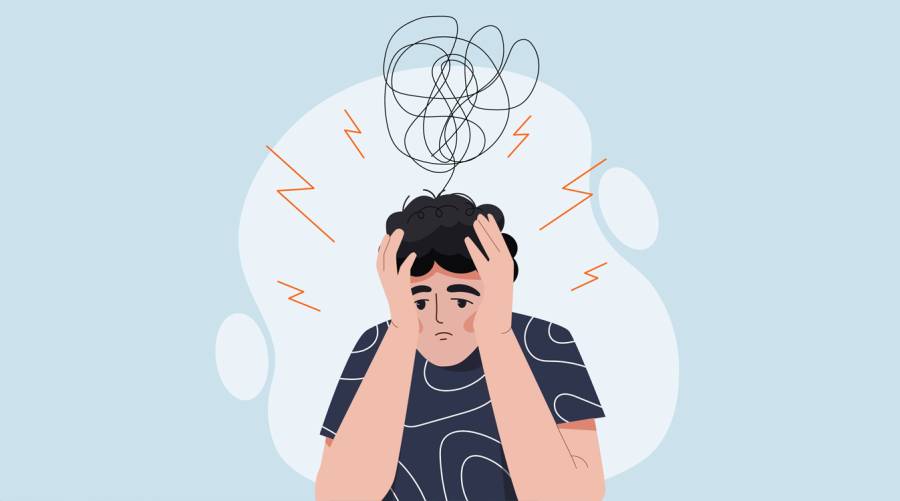
Understanding schizophrenia and how to manage it effectively
Schizophrenia is a complex, long-term mental health condition that affects how a person thinks, feels, and behaves. While it is relatively rare—impacting around 0.25% to 0.64% of the U.S. population—it can profoundly alter the lives of those affected and their families.
Often misunderstood and misrepresented, schizophrenia typically emerges between the late teenage years and early 30s, with symptoms ranging from hallucinations and delusions to disorganized speech, emotional flatness, and lack of motivation.
You may like: Leading NGOs gather to share national Schizophrenia statistics
Though it is a lifelong condition, advances in mental healthcare have made it increasingly manageable with timely intervention, personalized treatment, and community support.
When does schizophrenia usually begin?
Schizophrenia typically appears in a person’s late teens to early 30s and tends to begin earlier in males than females. Some people may show subtle signs—such as social withdrawal, anxiety, or poor focus—from childhood, but symptoms often become more apparent with age or emerge suddenly in early adulthood.
Types of schizophrenia: An outdated classification
Historically, schizophrenia was categorized into five types:
- Paranoid
- Disorganized
- Catatonic
- Undifferentiated
- Residual
However, these distinctions were removed in the latest DSM-5-TR (Diagnostic and Statistical Manual of Mental Disorders, 5th Edition, Text Revision). Researchers found that overlapping symptoms made these types unreliable for diagnosis or treatment planning. Instead, clinicians now focus on specific symptoms and their severity.
Key symptoms of schizophrenia
Schizophrenia affects individuals differently, but common symptoms include:
Positive symptoms (adding abnormal behaviors)
- Delusions: Fixed false beliefs, e.g., being persecuted or possessing supernatural powers.
- Hallucinations: Most often auditory (hearing voices), but may affect any sense.
- Disorganized speech: Jumping between unrelated ideas or speaking incoherently.
- Disorganized or catatonic behavior: Movement abnormalities, including immobility or bizarre postures.
Negative symptoms (loss of normal function)
- Flat affect: Lack of emotional expression.
- Avolition: Reduced motivation in daily tasks and self-care.
- Alogia: Limited speech output.
- Social withdrawal: Avoiding interactions due to fear or confusion.
Before full-blown symptoms appear, people may seem “out of sorts,” anxious, or unfocused. Importantly, many individuals do not recognize they are unwell, especially when delusions or hallucinations feel real.
What causes schizophrenia?
Schizophrenia likely arises from a combination of genetic, neurochemical, and environmental factors:
- Genetics: Having a parent with schizophrenia increases risk, but it’s not deterministic.
- Brain chemistry: Imbalances in dopamine and serotonin may disrupt perception and cognition.
- Environmental risks: Includes prenatal malnutrition, birth trauma, viral infections, and psychosocial stress.
Cannabis use and schizophrenia
Studies suggest a strong link between cannabis use disorder and schizophrenia, especially in males aged 21 to 30. Up to 30% of schizophrenia cases in this group may be linked to heavy cannabis use. Some compounds in cannabis may trigger symptoms in genetically vulnerable individuals.
What happens if schizophrenia is left untreated?
Without treatment, schizophrenia can lead to:
- Homelessness
- Social isolation
- Higher rates of suicide or violence
- Worsening of cognitive and functional abilities
- Shorter lifespan due to neglect or other health conditions
A 2015 study showed that only 29.8% of people with untreated schizophrenia experienced any form of remission, compared to 57.3% in those who received care.
Early diagnosis and ongoing treatment can drastically improve quality of life.
People also read: Brain health, sleep, and diet: Top 3 resolutions for a healthier 2025
How is schizophrenia diagnosed?
There is no single test for schizophrenia. Diagnosis is based on clinical observation, psychiatric evaluation, and ruling out other medical or neurological conditions.
DSM-5-TR diagnostic criteria
To be diagnosed with schizophrenia, a person must experience at least two of the following for one month (with at least one from the first three):
- Delusions
- Hallucinations
- Disorganized speech
- Grossly disorganized or catatonic behavior
Negative symptoms
These symptoms must last at least six months and cause significant impairment in work, relationships, or self-care. They must not be attributable to substance use or another medical condition.
Treatment options for schizophrenia
Although schizophrenia has no known cure, long-term management with the right treatment can help people lead productive, independent lives.
1. Antipsychotic medication
Medications can be taken daily or as long-acting injectables (up to 6 months). Side effects may include drowsiness, weight gain, and metabolic changes, which should be monitored by healthcare providers.
2. Psychosocial support and counseling
- Cognitive behavioral therapy (CBT)
- Family education and involvement
- Vocational training and supported employment
- Case management and community support programs
3. Coordinated specialty care (CSC)
This holistic approach integrates:
- Medication
- Psychotherapy
- Employment or education support
- Family education
- Case coordination
Living with schizophrenia
Schizophrenia is not a split personality or a sign of weakness. With a strong support system, proper medication, and therapy, many individuals can manage symptoms effectively.
Family, caregivers, and friends play a critical role in helping someone with schizophrenia by:
- Recognizing early signs of relapse
- Encouraging treatment adherence
- Providing emotional and logistical support
Conclusion
Schizophrenia is a lifelong but manageable mental health condition. Though it affects thinking, behavior, and relationships, early diagnosis and sustained treatment can significantly improve a person’s outcomes.
Ongoing research continues to reveal more about its causes and better treatment options. Understanding and compassion are vital—not only for those diagnosed but for the families and communities supporting them.
If you or someone you know is showing signs of schizophrenia, seek professional help promptly. Early intervention saves lives.
Stay informed. Stay ahead.
CLICK HERE TO FOLLOW Medical News Pakistan WhatsApp Channel for trusted healthcare updates, expert insights, clinical research, policy news, and medical breakthroughs—delivered directly to you.

Advertisement
E-PAPER

Trending
Popular
Pakistan’s Dr. Misha Tanveer takes air pollution research to Europe ...
-
Calorie deficit for weight loss: How to ...
06:00 PM, 24 Aug, 2026 -
Vaccine maker warns of wider TBE, ...
05:00 PM, 21 Aug, 2026 -
FDA authorizes first robot to draw ...
06:11 PM, 20 Aug, 2026 -
One blood test for multiple cancers ...
04:52 PM, 11 Aug, 2026
Follow us on Facebook
Follow us on Twitter
Copyright ©2026 Medical News. All Rights Reserved.