
How do you know if you have a brain tumor? Symptoms to watch
You can’t diagnose a brain tumor on your own. Here’s how to recognize possible symptoms and when to see a doctor for timely testing and care.
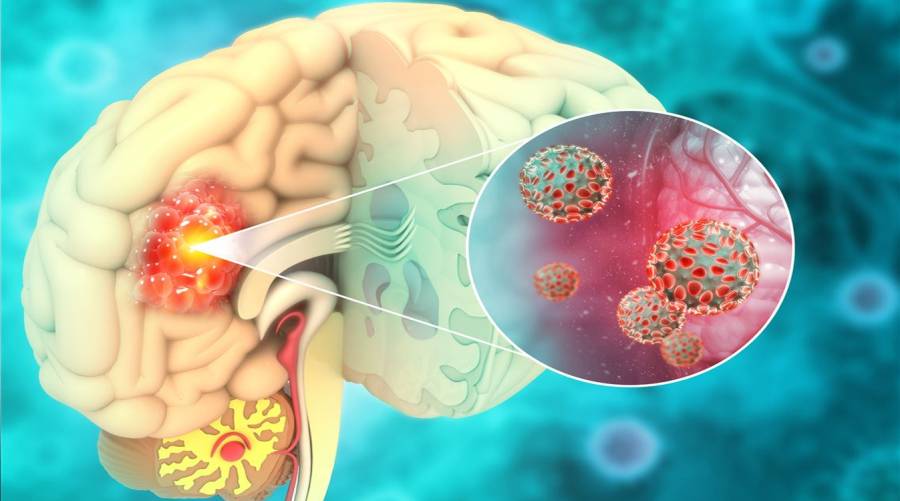
How do you know if you have a brain tumor?
Recognizing the early signs of a brain tumor is important—but diagnosing it is something only a medical professional can do. While symptoms like headaches, seizures, and vision problems may be alarming, they can also result from many other, often less serious, conditions. The only way to confirm a brain tumor is through advanced imaging and a biopsy performed by a doctor.
Let’s explore the most common symptoms of brain tumors, how they’re diagnosed, what other conditions can mimic them, and when you should see a doctor.
Common symptoms of a brain tumor
Brain tumors can affect different parts of the brain, so symptoms vary depending on the tumor's type, size, and location. While symptoms may develop gradually, they can also appear suddenly.
You may like: The one common habit that could be quietly damaging your brain
The most commonly reported signs include:
- Headaches that worsen over time, especially in the morning or with activity
- Seizures, often a first symptom in many cases
- Vision changes such as blurred or double vision
- Personality or behavioral changes
- Fatigue, nausea, or vomiting
- Loss of balance or coordination
- Difficulty with reasoning, memory, or concentration
However, these symptoms alone don’t confirm a brain tumor. Many other neurological or systemic conditions can cause similar complaints.
When to see a doctor
It’s essential to seek medical advice if you experience:
- Persistent or worsening headaches
- First-time seizures
- Sudden vision changes
- Coordination or balance issues
- Ongoing fatigue or mental fog
Even though brain tumors are rare—affecting only about 1% of people in their lifetime—it’s critical not to ignore symptoms, especially if they’re persistent or worsening despite over-the-counter remedies.
How doctors diagnose brain tumors
Diagnosis involves several key steps:
Medical history and neurological exam
Your doctor will ask about your symptoms and test your reflexes, balance, muscle strength, and mental alertness.
Imaging tests
- Magnetic resonance imaging (MRI) is the gold standard for identifying brain tumors due to its detailed imaging without X-rays.
- Computed tomography (CT) scans may also be used, especially if MRI is not possible or to assess bone involvement.
Biopsy
If imaging shows a suspicious mass, a biopsy will be performed to determine if the tumor is cancerous and identify its type.
People also read: New test revolutionizes childhood brain tumor diagnosis, enhancing treatment decisions
What else could it be?
Not all masses in the brain are tumors. Conditions that mimic brain tumors include:
- Intracranial abscesses
- Hemorrhages or ischemic stroke
- Demyelinating diseases like multiple sclerosis
- Pseudotumor cerebri, a condition with tumor-like symptoms due to cerebrospinal fluid buildup
The bottom line
You can’t and shouldn’t try to diagnose a brain tumor on your own. While the symptoms can be frightening, they may point to many treatable conditions. Early medical evaluation is the best way to get answers and the care you need.
If you’re concerned, don’t wait—talk to your doctor and request an evaluation. Early detection can make all the difference.
Stay informed. Stay ahead.
CLICK HERE TO FOLLOW Medical News Pakistan WhatsApp Channel for trusted healthcare updates, expert insights, clinical research, policy news, and medical breakthroughs—delivered directly to you.

Advertisement
E-PAPER

Trending
Popular
Pakistan’s Dr. Misha Tanveer takes air pollution research to Europe ...
-
Calorie deficit for weight loss: How to ...
06:00 PM, 24 Aug, 2026 -
Vaccine maker warns of wider TBE, ...
05:00 PM, 21 Aug, 2026 -
FDA authorizes first robot to draw ...
06:11 PM, 20 Aug, 2026 -
One blood test for multiple cancers ...
04:52 PM, 11 Aug, 2026
Follow us on Facebook
Follow us on Twitter
Copyright ©2026 Medical News. All Rights Reserved.