
Sindh’s mpox emergency deepens as 25 cases and 9 deaths trigger province-wide health alert
Khairpur has emerged as the epicentre of Sindh’s worsening mpox outbreak, as new infections in Karachi and fresh emergency measures raise fears of wider local transmission and neonatal risk.
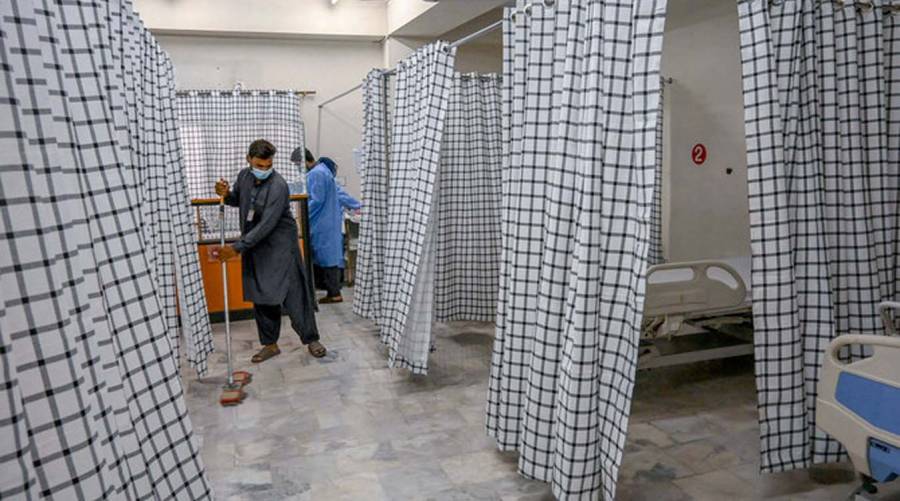
KARACHI: Sindh’s mpox situation is no longer a routine surveillance update — it is fast turning into one of the province’s most closely watched infectious disease emergencies of 2026.
With 122 suspected infections, 25 laboratory-confirmed cases, and nine reported deaths, the latest Sindh Health Department figures signal a sharp escalation in both public health concern and outbreak response intensity. Two additional cases detected more recently — one each in Karachi and Khairpur — have further heightened fears that local transmission chains may be expanding beyond known clusters.
The most alarming element in this evolving outbreak is the concentration of cases in Khairpur, now the province’s primary hotspot with 18 confirmed infections, followed by Karachi with four and Sukkur with three. Health officials are increasingly focusing on aggressive containment in these districts as contact tracing and active case finding accelerate.
Khairpur emerges as Sindh’s outbreak centre
What makes the current outbreak especially significant is its geographic clustering.
Khairpur’s disproportionate burden suggests that localized transmission networks, delayed detection, or infection control gaps may be fueling continued spread. Public health teams are now intensifying field surveillance, especially in healthcare settings and among close household contacts.
Officials have also urged special caution while handling newborns, a warning that adds another layer of seriousness to the outbreak narrative and points to heightened concern around vulnerable age groups.
Emergency measures expand across Sindh
In response, the Sindh Health Department has activated a broad emergency containment framework.
Isolation wards have been established in all major and district hospitals, while Disease Surveillance and Response Units have been mobilized across the province to improve rapid detection, reporting, and isolation of suspected cases. A coordinated system for swift sample transportation is also now in place to reduce testing delays.
Health teams are simultaneously tracing healthcare workers, household contacts, and other high-risk exposures linked to confirmed patients.
Additional containment steps include strict enforcement of infection prevention protocols, sterilization of medical equipment, and intensified active case search in affected localities — a strategy aimed at interrupting silent community spread before the outbreak widens further.
Why this outbreak demands immediate public attention
Mpox, caused by the monkeypox virus, typically spreads through close physical contact, contaminated materials, respiratory exposure during prolonged contact, and lesion-to-skin transmission, making household and hospital settings especially vulnerable when infection control slips.
The growing Sindh numbers suggest that the challenge is no longer only about isolated patients, but about how quickly suspected cases are recognized, isolated, and clinically managed.
For families, the most important red flags remain fever, rash, swollen lymph nodes, fatigue, and skin lesions. Health authorities are urging immediate hospital reporting if symptoms appear, particularly in districts already reporting confirmed clusters.
A defining test for Sindh’s outbreak preparedness
The bigger story is what this outbreak says about preparedness.
Sindh’s rapid activation of surveillance units, isolation infrastructure, and infection control systems shows a more coordinated response than in many previous localized outbreaks. But the continued rise in confirmed cases — especially in Khairpur — suggests the coming days may determine whether this remains a contained district-focused outbreak or evolves into a wider provincial public health challenge.
For now, the message from health officials is clear: early reporting, strict precautions, and rapid isolation remain the strongest tools to prevent further deaths.
Stay informed, stay protected
CLICK HERE TO JOIN Medical News Pakistan on WhatsApp for real-time health alerts, expert insights, and breakthrough medical discoveries.

Advertisement
E-PAPER
Trending
Popular
Pakistan’s Dr. Misha Tanveer takes air pollution research to Europe ...
-
Calorie deficit for weight loss: How to ...
06:00 PM, 24 Aug, 2026 -
Vaccine maker warns of wider TBE, ...
05:00 PM, 21 Aug, 2026 -
FDA authorizes first robot to draw ...
06:11 PM, 20 Aug, 2026 -
One blood test for multiple cancers ...
04:52 PM, 11 Aug, 2026
Follow us on Facebook
Follow us on Twitter
Copyright ©2026 Medical News. All Rights Reserved.