
Russian pharma giant to build insulin plant in Pakistan
Russian pharmaceutical company Zavod Medsintez plans $80 million investment with local partner Genetics Pharma to launch insulin production in Pakistan
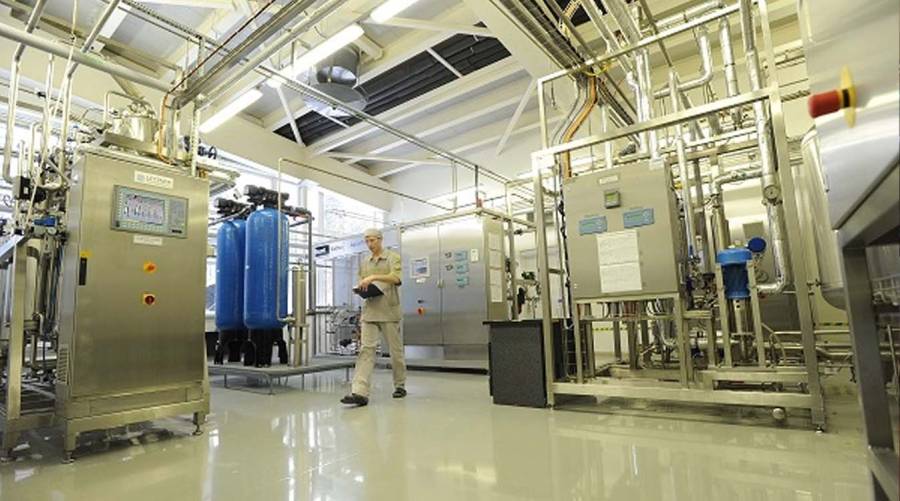
ISLAMABAD: Pakistan’s pharmaceutical sector is set for a major transformation after a Russian pharmaceutical company reportedly agreed in principle to establish a large-scale insulin manufacturing facility in the country — a move expected to strengthen local medicine production and reduce dependence on costly imports.
According to official sources, Russian pharmaceutical manufacturer Zavod Medsintez plans to launch the project in partnership with Pakistani company Genetics Pharmaceuticals, with a total projected investment of approximately $80 million.
The development is being viewed as a significant breakthrough for Pakistan’s healthcare manufacturing sector, particularly at a time when diabetes cases continue to rise and insulin demand is increasing nationwide.
Sources familiar with the project further said the investment will be executed in multiple phases over the coming years.
Under the first phase, around $20 million is expected to be invested in establishing an insulin filling facility in Pakistan. The phase is reportedly targeted for completion by December 2028.
The second phase, involving an additional investment of nearly $60 million, will focus on full-scale insulin manufacturing and advanced biological production capabilities, with completion expected by December 2031.
Officials say the project aims to gradually localize insulin production processes, including the manufacturing of raw materials and biotechnology-based production systems inside Pakistan.
According to sources, the initiative will also involve technology transfer arrangements that could significantly strengthen Pakistan’s pharmaceutical and biotechnology infrastructure.
The second phase is expected to focus on advanced insulin production technology, allowing Pakistan to move toward greater self-sufficiency in diabetes medicine manufacturing.
Experts believe the project could help stabilize insulin supply chains, reduce import dependency, support local pharmaceutical expertise, and potentially improve affordability for diabetic patients in the future.
Pakistan currently relies heavily on imported insulin and other high-value biological medicines, making the healthcare sector vulnerable to currency fluctuations, international supply disruptions, and rising treatment costs.
Related story: Artificial sweeteners may increase heart disease risk by triggering insulin surges
The proposed investment comes at a critical time for Pakistan’s healthcare system.
According to international health estimates, Pakistan remains among the countries with the highest diabetes burden globally, with millions of people requiring long-term insulin therapy and diabetes management.
Healthcare specialists have repeatedly stressed the importance of strengthening domestic pharmaceutical manufacturing capacity to ensure uninterrupted access to life-saving medicines.
Industry observers say local insulin production could become a strategic healthcare milestone for Pakistan if the project progresses successfully.
Related story: Type 5 diabetes explained: The overlooked diabetes affecting young, thin people
Sources indicate that Genetics Pharma will serve as the local partner for the project, helping facilitate operational, manufacturing, and regulatory coordination within Pakistan.
Meanwhile, Zavod Medsintez — a Russian pharmaceutical manufacturer known for biotechnology and insulin-related production — is expected to bring technical expertise, industrial infrastructure support, and manufacturing technology to the partnership.
The collaboration also reflects growing economic and industrial engagement between Pakistan and Russia in specialized sectors including healthcare, pharmaceuticals, and biotechnology.
The insulin manufacturing project is being viewed as part of Pakistan’s broader push to strengthen local pharmaceutical production and reduce reliance on imported medical products.
Public health analysts say investments in biotechnology and biological medicine manufacturing could create long-term economic and healthcare benefits, including job creation, research opportunities, and improved medicine accessibility.
If completed successfully, the facility could position Pakistan as an emerging regional player in specialized pharmaceutical manufacturing.
Officials say the project is expected to move forward gradually over the next three to five years.
Stay informed, stay alert
CLICK HERE TO JOIN Medical News Pakistan on WhatsApp for real-time health alerts, expert insights, and breakthrough medical discoveries.

Advertisement
E-PAPER
Trending
Popular
Pakistan’s Dr. Misha Tanveer takes air pollution research to Europe ...
-
Calorie deficit for weight loss: How to ...
06:00 PM, 24 Aug, 2026 -
Vaccine maker warns of wider TBE, ...
05:00 PM, 21 Aug, 2026 -
FDA authorizes first robot to draw ...
06:11 PM, 20 Aug, 2026 -
One blood test for multiple cancers ...
04:52 PM, 11 Aug, 2026
Follow us on Facebook
Follow us on Twitter
Copyright ©2026 Medical News. All Rights Reserved.