PMA slams federal budget 2025-26 for ignoring critical health sector needs
Pakistan Medical Association expresses deep concern over low healthcare spending, warns of long-term public health risks, and urges increased investment.
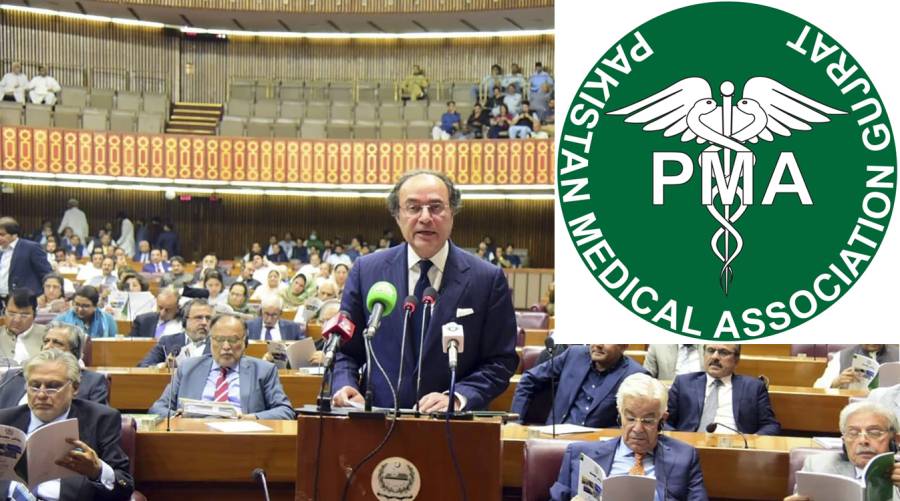
PMA criticizes federal budget 2025-26 for sidelining healthcare priorities
KARACHI: The Pakistan Medical Association (PMA) has expressed deep concern over the federal budget 2025-26, calling it a severe setback for Pakistan’s already strained healthcare system. In a strongly worded statement, the PMA criticized the government’s failure to meaningfully increase health sector funding, especially amid growing challenges related to disease burden, inadequate infrastructure, and workforce shortages.
Despite repeated calls from health professionals, the newly announced budget falls far short of allocating even the minimum 3% of GDP required to begin stabilizing and strengthening Pakistan's public health system — far below the internationally recommended 6%.
The PMA, a longstanding advocate for health sector reforms and increased investment, labeled the budget "deeply disappointing" and warned that neglecting health priorities could worsen disease prevalence, reduce economic productivity, and prolong public suffering.
Key concerns raised by PMA over the 2025-26 federal budget:
- Severe underfunding of healthcare: PMA criticized the government for maintaining alarmingly low health allocations, warning this would undermine efforts to expand access to affordable and quality healthcare for millions of citizens.
- Opposition to PSDP cuts: The association voiced strong reservations about any cuts to the Public Sector Development Programme (PSDP) for the National Health Services Division, arguing it would slow down the development and upgrading of hospitals, rural health centers, and diagnostic services.
- Lack of investment in primary and preventive care: PMA emphasized that a significant chunk of the population still lacks access to basic healthcare, and called for stronger investment in preventive health programs to tackle Pakistan’s rising burden of non-communicable and infectious diseases.
- Shortage of healthcare workforce: Highlighting the worsening doctor-to-patient ratio, the PMA urged the government to implement urgent reforms that would expand training capacity, hire more healthcare professionals, and ensure fair distribution across rural and underserved regions.
- Demand for health tax transparency: The PMA stated that while it supports health-related taxes (such as on sugary drinks or tobacco), there must be transparency in how that revenue is used. It recommended that all such funds be directly channeled into public health programs.
- Reforms in drug policy and quackery: Reiterating previous calls, the association stressed the urgent need for comprehensive policies to control quackery, ensure availability of essential medicines at affordable prices, and regulate pharmaceutical standards.
While acknowledging that the budget process is now complete, the PMA has urged the Government of Pakistan to immediately consider revising health allocations during the parliamentary debate and approval process. They also emphasized the importance of inclusive policy dialogue, urging the authorities to involve health experts, including the PMA, in future planning.
“We stand ready to support the government with expert insights and collaborative action,” a PMA spokesperson stated. “It’s time to prioritize the health of our nation not just in words but in policy and budgetary commitment.”
The PMA concluded by warning that without robust investment and urgent reforms, Pakistan risks falling further behind in achieving universal health coverage and Sustainable Development Goals (SDGs).
CLICK HERE TO FOLLOW Medical News Pakistan WhatsApp Channel for trusted industry updates, insights, and innovations.

Advertisement
E-PAPER
Trending
Popular
Pakistan’s Dr. Misha Tanveer takes air pollution research to Europe ...
-
Calorie deficit for weight loss: How to ...
06:00 PM, 24 Aug, 2026 -
Vaccine maker warns of wider TBE, ...
05:00 PM, 21 Aug, 2026 -
FDA authorizes first robot to draw ...
06:11 PM, 20 Aug, 2026 -
One blood test for multiple cancers ...
04:52 PM, 11 Aug, 2026
Follow us on Facebook
Follow us on Twitter
Copyright ©2026 Medical News. All Rights Reserved.