
Trump's new tariffs disrupt healthcare supply chains, elevate costs
The healthcare industry faces increased expenses and supply chain challenges following the implementation of broad tariffs by the Trump administration.
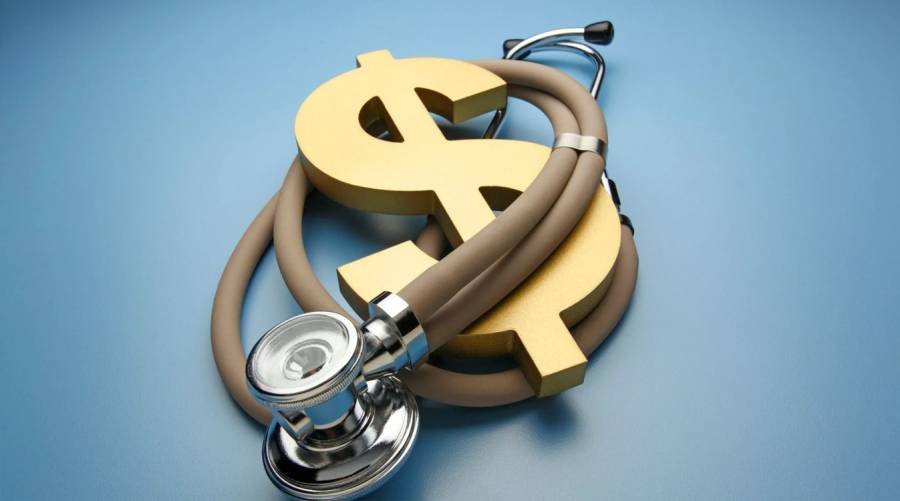
Healthcare industry grapples with impacts of Trump's new tariffs
The recent imposition of sweeping tariffs by President Donald Trump has sent shockwaves through the healthcare sector, raising concerns about increased costs and potential disruptions in patient care. The administration announced a universal baseline tariff of 10% on imports, with higher levies on specific countries, including China, the European Union, and India.
Impact on medical devices and supplies
Medical devices such as pacemakers, X-ray machines, and other essential equipment are directly affected by these tariffs. Industry analysts predict that companies like Bausch & Lomb could experience a significant decrease in annual earnings per share, potentially up to 13.8%. This financial strain may lead to increased costs for healthcare providers and patients alike.
Healthcare organizations express concern
Leading healthcare organizations, including the American Hospital Association (AHA) and the Advanced Medical Technology Association (AdvaMed), have voiced apprehension regarding the tariffs' impact on the supply chain. They argue that these levies could lead to shortages of critical medical supplies and increased operational costs for hospitals. AdvaMed has been actively seeking exemptions for medical devices, emphasizing the potential negative effects on patient care and the industry's humanitarian mission.
Pharmaceutical industry's response
While pharmaceuticals have been exempted from the initial round of tariffs, the industry remains vigilant. Drugmakers are lobbying for a phased implementation of any future tariffs to allow time for adjustments in manufacturing and supply chains. This proactive approach aims to mitigate potential disruptions in drug availability and pricing.
Global market reactions
The announcement of these tariffs has led to significant volatility in global financial markets. Asian and European markets have experienced notable declines, reflecting investor concerns about a potential global trade war and its broader economic implications.
Call for policy reassessment
Healthcare leaders are urging the administration to reconsider the scope of these tariffs, highlighting the importance of medical devices and supplies in delivering quality patient care. They advocate for exemptions to prevent further strain on an already fragile healthcare supply chains.

Advertisement
E-PAPER
Trending
Popular
Pakistan’s Dr. Misha Tanveer takes air pollution research to Europe ...
-
Calorie deficit for weight loss: How to ...
06:00 PM, 24 Aug, 2026 -
Vaccine maker warns of wider TBE, ...
05:00 PM, 21 Aug, 2026 -
FDA authorizes first robot to draw ...
06:11 PM, 20 Aug, 2026 -
One blood test for multiple cancers ...
04:52 PM, 11 Aug, 2026
Follow us on Facebook
Follow us on Twitter
Copyright ©2026 Medical News. All Rights Reserved.