
Pancreatic cancer spread to liver or lungs traced to key cholesterol-regulating protein
New UCSF research reveals how the protein PCSK9 helps pancreatic cancer cells colonize distant organs like the liver and lungs, opening new treatment pathways.
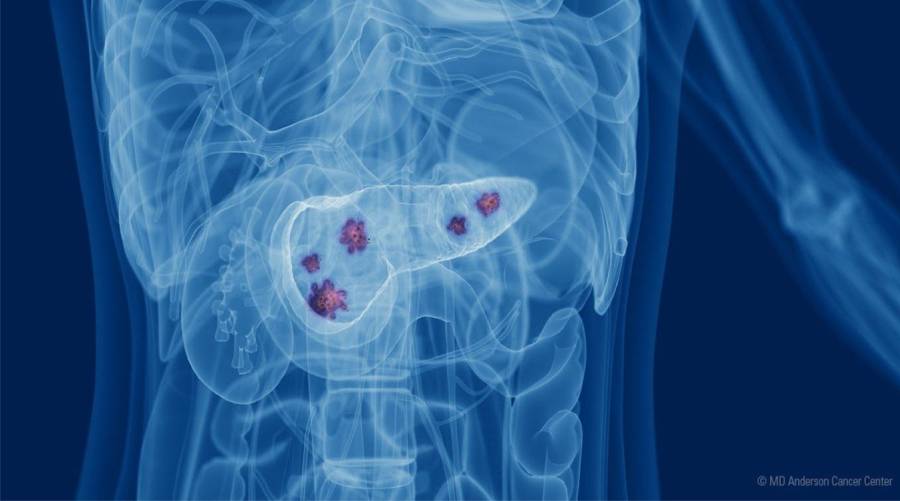
PCSK9 protein found to drive pancreatic cancer metastasis to liver or lungs
SAN FRANCISCO: Researchers at the University of California, San Francisco (UCSF) have uncovered a breakthrough mechanism explaining how pancreatic cancer spreads to distant organs such as the liver or lungs. The culprit? A protein called PCSK9, which controls how cancer cells obtain cholesterol — a vital resource that allows them to thrive in foreign environments.
The study, published in Nature, offers new hope for treating pancreatic cancer, one of the most aggressive and deadly forms of cancer globally. By identifying how cancer cells adapt to different organs, this discovery paves the way for targeted strategies that may halt the disease’s lethal spread.
PCSK9: A cellular switch between liver, lung colonization
Pancreatic cancer is often diagnosed only after it has already metastasized, making effective treatment difficult. To better understand this process, UCSF scientists analyzed data from MetMap, a comprehensive cancer metastasis mapping initiative at the Broad Institute. They identified specific pancreatic cancer cell lines that showed a preference for spreading to either the liver or the lungs.
Further genomic analysis revealed PCSK9 as a determining factor in this organ-specific spread:
- Low PCSK9 levels: Cancer cells scavenge cholesterol from the surrounding tissue — a survival advantage in the cholesterol-rich liver.
- High PCSK9 levels: Cells produce their own cholesterol and create protective molecules to resist oxidative damage, helping them survive in the oxygen-rich lungs.
Dr. Rushika Perera, the study's senior author and a leading researcher in cancer cell metabolism, explained:
“Cancers persist by adapting to live in new tissues and organs, and we found that pancreatic tumors use PCSK9 to adapt as they spread.”
In an eye-opening experiment, researchers manipulated liver-destined cancer cells to express higher levels of PCSK9. The result? The cells bypassed the liver and colonized the lungs instead — offering direct evidence of PCSK9’s role in directing metastasis.
Clinical implications: A step closer to controlling metastasis
While pancreatic cancer remains one of the most treatment-resistant cancers, this discovery presents a possible intervention point. Targeting PCSK9 could alter cancer’s path or impair its survival in new tissues — a potentially transformative approach for metastatic cancers.
This research also underscores the critical relationship between cholesterol metabolism and tumor progression, a growing focus in oncology. By “starving” cancer cells of their cholesterol supply or disrupting how they produce it, future therapies may reduce their ability to metastasize.
Trusted, collaborative science
This high-impact study reflects a robust scientific collaboration, supported by prestigious funding from the National Institutes of Health (NIH), National Science Foundation (NSF), and the American Association for Cancer Research (AACR). Co-authors included experts in anatomy, oncology, and molecular biology, reinforcing the study’s depth and reliability.
CLICK HERE TO FOLLOW the official Medical News Pakistan WhatsApp Channel for real-time updates, expert insights, and exclusive stories that matter to every person.

Advertisement
E-PAPER

Trending
Popular
Pakistan’s Dr. Misha Tanveer takes air pollution research to Europe ...
-
Calorie deficit for weight loss: How to ...
06:00 PM, 24 Aug, 2026 -
Vaccine maker warns of wider TBE, ...
05:00 PM, 21 Aug, 2026 -
FDA authorizes first robot to draw ...
06:11 PM, 20 Aug, 2026 -
One blood test for multiple cancers ...
04:52 PM, 11 Aug, 2026
Follow us on Facebook
Follow us on Twitter
Copyright ©2026 Medical News. All Rights Reserved.

