
WHO reports first patient enrolled in experimental Ebola treatment trial as DR Congo outbreak tops 1,400 cases
The World Health Organization says the first patient has been enrolled in a clinical trial evaluating experimental therapies for Bundibugyo Ebola in the Democratic Republic of Congo, where the outbreak has infected more than 1,400 people and claimed 438 lives.
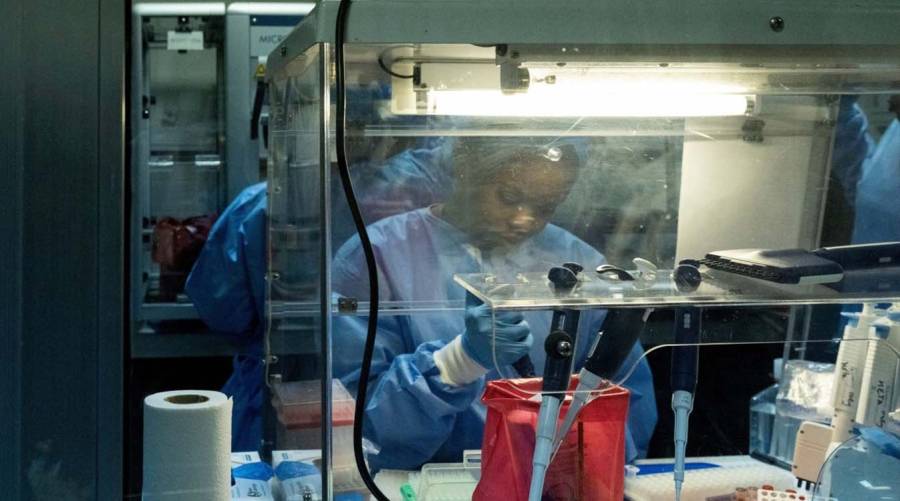
GENEVA/KINSHASA: The World Health Organization (WHO) says the first patient has been enrolled in an experimental treatment trial for the Bundibugyo strain of Ebola in the Democratic Republic of Congo (DRC), marking a potentially important milestone in the global effort to combat one of the country's deadliest infectious disease outbreaks.
The development comes as the outbreak has already exceeded 1,400 confirmed cases and resulted in 438 deaths, underscoring the urgent need for effective treatment options against a strain of Ebola for which there are currently no approved vaccines or therapies.
According to WHO Director-General Dr Tedros Adhanom Ghebreyesus, the Democratic Republic of Congo has recorded an average of 38 new confirmed Ebola cases per day over the past two weeks, indicating that transmission remains intense despite ongoing public health interventions.
The clinical trial, which WHO said is expected to enrol more than 1,000 patients and could take several months to complete, will evaluate Mapp Biopharmaceutical's experimental antibody treatment MBP134 both as a standalone therapy and in combination with Gilead Sciences' antiviral drug remdesivir.
The study is being closely watched by global health experts because the Bundibugyo strain of Ebola currently lacks any approved vaccines or treatments, making the trial one of the most significant efforts to address a major unmet medical need in outbreak response.
However, scientific progress is unfolding amid significant operational challenges.
"Despite all this progress, we continue to face significant challenges, including mistrust and violence," Dr Tedros said, referring to an attack on an Ebola treatment centre in Ituri province in which two people were killed.
The incident highlights the complex security environment in which healthcare workers and researchers are attempting to contain the outbreak, conduct clinical research and provide care to patients.
WHO said sufficient supplies of the investigational medicines are currently available for the trial. The agency added that it is in discussions with the United States, which donated stocks of MBP134, and with Gilead Sciences to ensure continued patient access to the medicines if they are ultimately shown to be safe and effective.
Gilead Sciences announced that it has donated more than 2,000 vials of remdesivir for the clinical trial, in addition to another 2,000 vials previously supplied for emergency use in June.
Despite the continuing outbreak, WHO reported encouraging improvements in response capacity across the country.
The Democratic Republic of Congo now has 10 laboratories capable of testing for Ebola, while contact tracing teams are successfully following approximately four out of every five identified contacts, although officials say more contacts still need to be identified for each confirmed case.
Treatment capacity has also expanded considerably. WHO said there are currently 650 Ebola treatment beds available, with approximately 96 per cent already occupied. The organisation and its partners are working to add another 300 beds as the outbreak continues to strain healthcare resources.
Separately, WHO announced the end of another public health emergency, declaring the hantavirus outbreak linked to a cruise ship officially over after the last identified contact completed quarantine and tested negative for the virus. The outbreak involved the rare Andes hantavirus strain, infected 13 people and resulted in three deaths.
As the Bundibugyo Ebola outbreak continues to spread in the Democratic Republic of Congo, global health authorities are closely watching whether the newly launched clinical study can provide the first evidence-based treatment option against a strain of Ebola that has long lacked approved therapeutic interventions.
Stay informed, stay alert!
CLICK HERE TO JOIN Medical News Pakistan on WhatsApp for real-time health alerts, expert insights, and breakthrough medical discoveries.

Advertisement
E-PAPER
Trending
Popular
Pakistan’s Dr. Misha Tanveer takes air pollution research to Europe ...
-
Calorie deficit for weight loss: How to ...
06:00 PM, 24 Aug, 2026 -
Vaccine maker warns of wider TBE, ...
05:00 PM, 21 Aug, 2026 -
FDA authorizes first robot to draw ...
06:11 PM, 20 Aug, 2026 -
One blood test for multiple cancers ...
04:52 PM, 11 Aug, 2026
Follow us on Facebook
Follow us on Twitter
Copyright ©2026 Medical News. All Rights Reserved.