
New anti-malaria bed nets could stop mosquitoes from spreading disease
Harvard researchers find drug combo that clears malaria parasites from mosquitoes, offering a potential breakthrough in global malaria prevention.
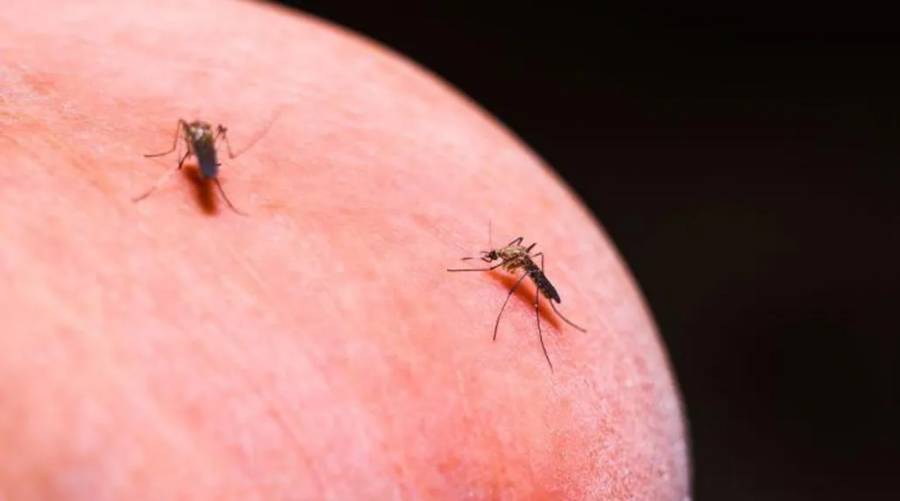
Harvard team develops anti-malaria drug strategy to stop mosquitoes from transmitting disease
CAMBRIDGE, MASSACHUSETTS: A groundbreaking new approach to malaria prevention is gaining global attention, as researchers at Harvard University propose curing mosquitoes of malaria instead of killing them. This radical shift could help stop the transmission of the disease, which claims nearly 600,000 lives annually—mostly young children in Africa and Asia.
 Dr Alexandra Probst / Photo by Kent Dayton
The research team, led by Dr Alexandra Probst, identified two powerful drugs that can be absorbed through a mosquito's legs and successfully eliminate the malaria parasite from their bodies. The long-term goal is to incorporate this drug treatment into bed nets, the primary tool currently used to prevent malaria.
A shift from killing mosquitoes to curing them
Until now, most malaria control efforts have focused on insecticide-treated bed nets to kill mosquitoes. However, growing resistance to insecticides in many regions has rendered this strategy less effective.
“We haven’t really tried to directly kill parasites in the mosquito before this, because we were just killing the mosquito,” said Dr Probst. “But that approach is no longer cutting it.”
This research, published in Nature, could be a game-changer.
How it works
- The scientists studied the malaria parasite’s DNA to identify its weak spots inside the mosquito host.
- A vast library of drug candidates was tested.
- Two compounds were found to kill 100% of malaria parasites inside mosquitoes during lab trials.
- These drugs can be coated onto materials like bed nets, where mosquitoes absorb them simply by landing.
“Even if that mosquito survives contact with the bed net, the parasites within are killed—so it’s still not transmitting malaria,” explained Dr Probst.
Long-lasting, low-resistance potential
One of the most promising aspects of this strategy is the low risk of drug resistance. while an infected human may carry billions of malaria parasites, mosquitoes carry fewer than five—making it harder for the parasite to mutate and become resistant.
Additionally, early results show that the drugs remain effective on netting material for up to a year, potentially making this a cost-effective and sustainable solution.
What's next?
The next stage of the project is a real-world trial in Ethiopia, aiming to test the effectiveness of drug-treated bed nets outside the laboratory. full results and possible rollout are expected to take at least six years.
The long-term vision is to create dual-action nets—combining insecticides and anti-malaria drugs—offering two layers of protection. if one method fails due to resistance, the other may still work, providing hope for millions in high-risk areas.
CLICK HERE TO FOLLOW the official Medical News Pakistan WhatsApp Channel for real-time updates, expert insights, and exclusive stories that matter to every person.

Advertisement
E-PAPER
Trending
Popular
Pakistan’s Dr. Misha Tanveer takes air pollution research to Europe ...
-
Calorie deficit for weight loss: How to ...
06:00 PM, 24 Aug, 2026 -
Vaccine maker warns of wider TBE, ...
05:00 PM, 21 Aug, 2026 -
FDA authorizes first robot to draw ...
06:11 PM, 20 Aug, 2026 -
One blood test for multiple cancers ...
04:52 PM, 11 Aug, 2026
Follow us on Facebook
Follow us on Twitter
Copyright ©2026 Medical News. All Rights Reserved.