
Type 5 diabetes brings global attention to malnutrition-related diabetes
A decades-old, misunderstood form of diabetes caused by malnutrition has finally been classified as type 5 diabetes, thanks to groundbreaking global research.
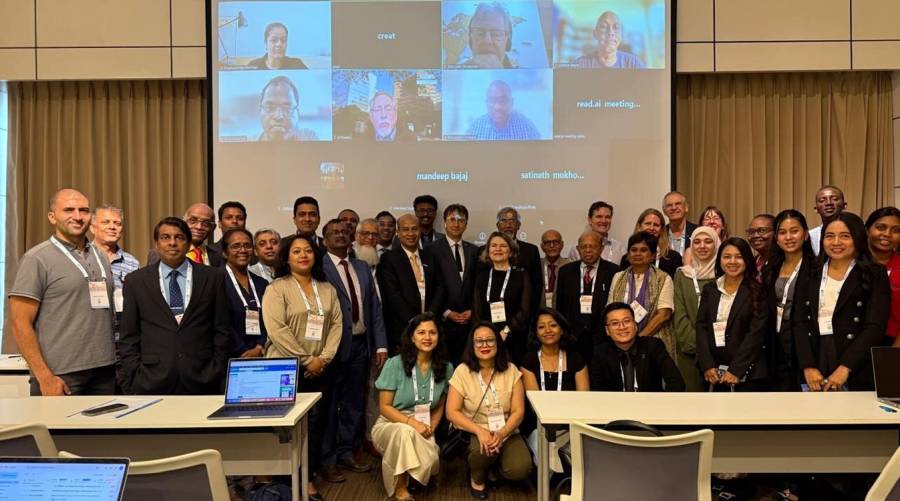
A new chapter in global diabetes research has begun with the official recognition of type 5 diabetes, a distinct and deadly form of the disease linked to malnutrition in young people across low- and middle-income countries. This formal classification by the International Diabetes Federation (IDF) is a result of over a decade of work led by Dr. Meredith Hawkins, a professor at Albert Einstein College of Medicine and founding director of the Global Diabetes Institute.
The designation brings long-overdue medical and research focus to a disease estimated to affect 20 to 25 million people worldwide, especially in Asia and Africa. Most of these patients are young, thin, and severely undernourished, often receiving incorrect diagnoses and ineffective treatments.
A misunderstood and fatal disease
Malnutrition-related diabetes, now named type 5 diabetes, was first identified more than 70 years ago. Despite early recognition by the World Health Organization (WHO) in 1985, the classification was withdrawn in 1999 due to a lack of evidence and follow-up research.
However, doctors in developing countries continued to report puzzling cases—young patients with signs that didn't match either type 1 or type 2 diabetes. Dr. Hawkins recalled:
“Doctors were seeing thin, young patients who didn’t respond to insulin and didn’t exhibit signs of obesity-related diabetes either. It was confusing and deadly.”
Research that changed global policy
In response, Dr. Hawkins established the Global Diabetes Institute in 2010, initiating cross-border studies. A key 2022 study in Diabetes Care, co-authored with Indian researchers at Christian Medical College in Vellore, revealed that type 5 diabetes is neither insulin-resistant like type 2, nor insulin-deficient in the typical way of type 1. Instead, it presents a profound defect in insulin secretion, a previously misunderstood mechanism.
This breakthrough led to a January 2025 international summit in India, bringing together diabetes experts, researchers, and organizations like the IDF and American Diabetes Association. The outcome was a unanimous vote to formally recognize the condition as type 5 diabetes, a decision announced at the IDF World Diabetes Congress 2025 in Bangkok.
What this recognition means
With formal classification in place, the IDF has also formed a Type 5 Diabetes Working Group, co-chaired by Dr. Hawkins. Over the next two years, this group will develop diagnostic and treatment guidelines, which are urgently needed as many patients currently die within a year of diagnosis due to a lack of targeted therapies.
“Type 5 diabetes is more common than tuberculosis and nearly as common as HIV/AIDS,” said Dr. Hawkins. “But the absence of an official name has held back progress. Now, we can move forward with clarity and urgency.”
The recognition of type 5 diabetes is more than a scientific achievement—it is a beacon of hope for millions of vulnerable individuals who have, for decades, suffered in the shadows of misdiagnosis and neglect.
CLICK HERE TO FOLLOW the official Medical News Pakistan WhatsApp Channel for real-time updates, expert insights, and exclusive stories that matter to every person.

Advertisement
E-PAPER
Trending
Popular
37 AKU researchers join world's top 2% scientists list for 2026
-
Could a heart calcium scan reveal your ...
01:36 PM, 13 Oct, 2026 -
One blood test, 50+ cancers: What the ...
05:27 PM, 12 Oct, 2026 -
WHO rules out weight-loss drugs for ...
04:38 PM, 9 Oct, 2026 -
Global life expectancy rebounds, but ...
03:17 PM, 5 Oct, 2026
Follow us on Facebook
Follow us on Twitter
Copyright ©2026 Medical News. All Rights Reserved.