
Spine surgeon reveals daily habits that protect your back, and why movement matters more than posture
A leading spine specialist explains why sitting less, moving more, and staying active, even through pain, may be the most powerful way to prevent and treat back pain
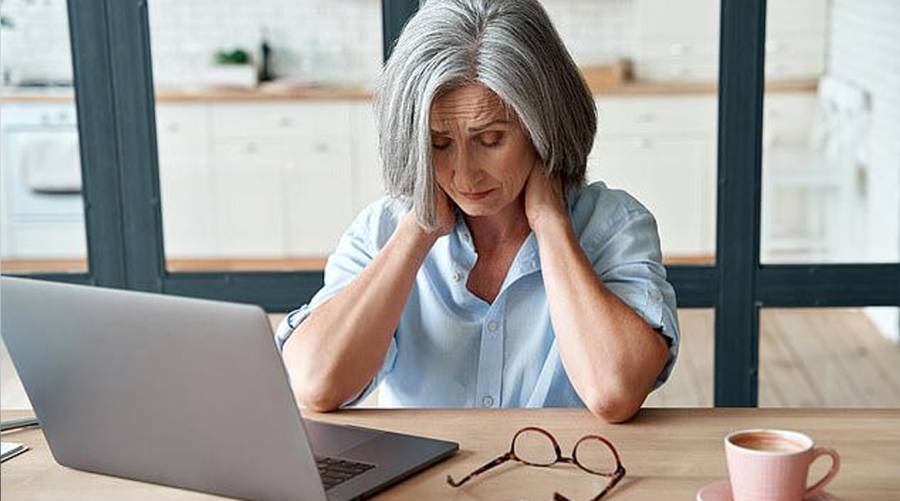
Why movement, not posture, is the key to a healthy spine
Back pain has become one of the most common and debilitating health problems worldwide, affecting millions of adults across all age groups. Now, a leading spine surgeon says the solution may be far simpler than most people think: move more, sit less, and don’t fear your back.
Dr Colin Natali, a consultant spine surgeon at The Princess Grace Hospital, says modern sedentary lifestyles, not poor chairs or bad posture alone, are driving today’s back pain epidemic.
“The spine is an incredible feat of engineering,” he explains. “But it was never designed for sitting still. It was designed to move.”
Why ergonomic chairs alone won’t save your spine
While standing desks, ergonomic chairs, and screen adjustments may improve posture, Dr Natalia warns they are not enough on their own.
“No matter how good your chair is, it’s not the answer to keeping your spine healthy,” he says. “Movement is.”
To counter prolonged sitting, he sets an hourly reminder on his computer to stand up, walk, stretch, or change position—something he recommends for everyone with desk-based jobs.
The science behind movement and spine strength
Movement is critical because it activates muscles that support the spine. When muscles contract, they place healthy stress on bones and connective tissue—a process known as tissue loading.
This loading, followed by rest, helps tissues adapt and grow stronger over time. According to Dr Natalia, this cycle is essential not just for muscle health, but for bone density as well.
Why your 20s and 30s are a critical window
Spine and bone health habits matter most earlier than many people realize. Peak bone mass is typically achieved between the ages of 25 and 35.
“If you don’t build strong bones during this phase, you increase your risk of osteoporosis and fractures later in life,” Dr Natalia warns.
However, he emphasizes that it’s never too late to improve spine health—activity remains beneficial at any age.
Back pain? Staying active may be better than rest
One of the most persistent myths about back pain is that rest is the best remedy. Dr Natalia strongly disagrees.
“People often become inactive because they’re scared the pain means damage,” he explains. “But pain does not always mean harm.”
In fact, remaining active, within tolerable limits, is often the fastest route to recovery.
“Modification is better than stopping altogether,” he says.
For flare-ups, he suggests swapping high-impact activities like running for low-impact exercises such as swimming or Pilates until symptoms improve.
When back pain could signal something serious
While most back pain improves with time, physical therapy, and simple pain relief, persistent symptoms should not be ignored.
Dr Natali advises medical evaluation if pain:
- Persists beyond six weeks
- Fails to improve with NSAIDs and physiotherapy
- Is associated with neurological symptoms or worsening function
In such cases, a GP referral and imaging such as MRI may be needed. Still, he reassures that around 90% of back pain cases do not require advanced intervention.
Diet and lifestyle also play a role
Beyond movement, Dr Natali focuses on:
- An anti-inflammatory diet
- Avoiding processed foods and refined sugar
- Taking daily probiotics to support gut health
These measures, he says, may indirectly support musculoskeletal health and reduce inflammation that contributes to chronic pain.
What treatments actually work for back pain
His advice aligns with recent research from University of New South Wales, which found that only a small number of treatments for back pain are truly effective.
For acute back pain, evidence supports:
• Non-steroidal anti-inflammatory drugs (NSAIDs)
For chronic back pain, effective options include:
• Exercise therapy
• Spinal manipulation
• Taping
• Certain antidepressants
• Medications targeting pain receptors (TRPV1)
The bottom line
Back pain is common, but it is not something to fear. Experts agree that regular movement, staying active, and building lifelong habits are among the most effective ways to protect your spine.
“The best advice I can give,” Dr Natalia says, “is don’t be scared of your back. Keep moving.”
Stay informed and protect your health!
CLICK HERE TO JOIN Medical News Pakistan on WhatsApp for expert tips, health updates, and the latest medical research straight to your phone.

Advertisement
E-PAPER
Trending
Popular
Pakistan’s Dr. Misha Tanveer takes air pollution research to Europe ...
-
Calorie deficit for weight loss: How to ...
06:00 PM, 24 Aug, 2026 -
Vaccine maker warns of wider TBE, ...
05:00 PM, 21 Aug, 2026 -
FDA authorizes first robot to draw ...
06:11 PM, 20 Aug, 2026 -
One blood test for multiple cancers ...
04:52 PM, 11 Aug, 2026
Follow us on Facebook
Follow us on Twitter
Copyright ©2026 Medical News. All Rights Reserved.