
This in-season leafy green can transform your health — and you're probably not eating enough
Bursting with vitamins, antioxidants, and fiber, this summer superfood supports heart health, strong bones, and better digestion — and it’s available now.

Your body will thank you for eating this in-season nutrient-dense leafy green
When it comes to leafy greens, kale and spinach often take center stage — but Swiss chard may quietly be the most underrated of them all. This vibrant, rainbow-stemmed vegetable is in season during the summer and offers an impressive nutritional profile that can transform your health.
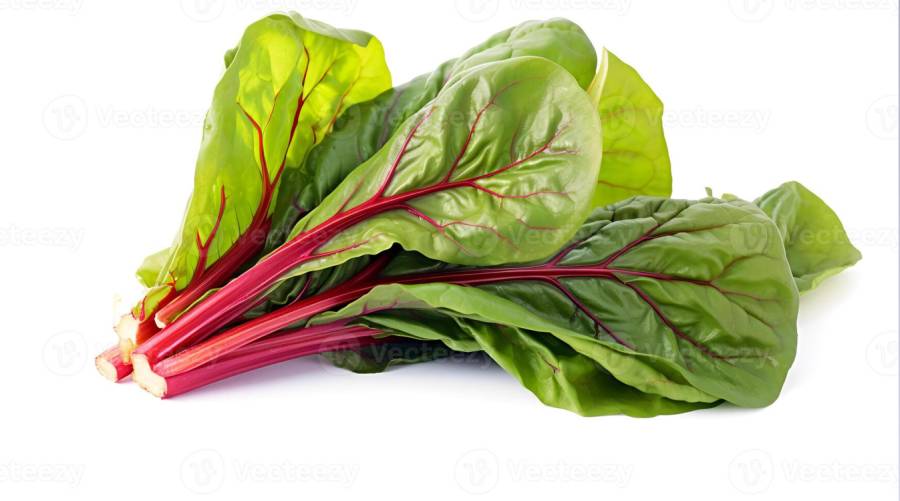 Leafy green Swiss Chard is a nutrient-dense superfood.
From supporting heart and bone health to improving digestion, immunity, and blood sugar control, Swiss chard is a true powerhouse green — and yet, it’s often missing from our plates.
You may like: Matcha Green Tea: Calm your mind, boost energy, burn fat
What makes Swiss chard a nutritional standout?
Swiss chard is packed with vitamins A, C, and K, plus magnesium, potassium, iron, and fiber. Its colorful stems are loaded with antioxidants like beta-carotene, lutein, and betalains, which help fight inflammation and protect your cells from damage.
According to Kaitlin Hippley, RDN, CDCES, “Swiss chard is a nutrient-packed leafy green that adds both color and versatility to meals. It rivals and even surpasses spinach and kale in key nutrients like vitamin K.”
Top health benefits of Swiss chard
1. Heart health support
Rich in potassium and magnesium, Swiss chard helps regulate blood pressure and reduce the risk of cardiovascular issues. Its high levels of antioxidants further support heart function by neutralizing free radicals.
2. Stronger bones
One cup of raw Swiss chard contains over 250% of the daily value for vitamin K, which is vital for calcium absorption and bone formation. It also offers small but meaningful amounts of calcium and magnesium.
3. Improved digestion and blood sugar control
With about 4 grams of fiber per cooked cup, Swiss chard promotes regular digestion and helps regulate blood sugar levels. Fiber slows down digestion and reduces post-meal glucose spikes, lowering the risk of type 2 diabetes.
4. Anti-inflammatory power
Swiss chard contains betalains and apigenin, which have been shown to reduce inflammation and oxidative stress. These compounds may also protect against chronic conditions such as arthritis and neurodegenerative diseases.
5. Immunity and vision support
Swiss chard delivers generous amounts of vitamin A and vitamin C, both critical for immune function, skin health, and vision. Just one cup contains up to 94% of the recommended daily value of vitamin A for women.
How to buy and store Swiss chard
This leafy green is easy to find at farmers markets and grocery stores during the summer. Choose bundles with firm, vibrant stems and crisp, dark green leaves. Avoid any bunches that are slimy, brown, or wilted.
Once home, store Swiss chard in the refrigerator in a plastic bag or sealed container with a damp paper towel. It typically stays fresh for up to one week. You can also freeze it chopped — raw or blanched — for later use.
Best ways to cook with Swiss chard
Swiss chard’s mild, earthy flavor makes it incredibly versatile. Try:
- Sautéing it with garlic, olive oil, and chili flakes
- Mixing it into omelets, frittatas, or pasta dishes
- Adding it to soups, stews, or grain bowls
- Using the leaves raw in salads or wraps
- Stirring it into smoothies for a green boost
Both the leaves and stems are edible. When cooking, sauté the stems first to soften them before adding the leaves.
Registered dietitian Taiyyibah Moughal recommends brightening its flavor with a splash of lemon juice or vinegar, especially in raw dishes, to balance the slight bitterness.
Final thoughts
Swiss chard is more than just a pretty leaf — it’s a seasonal superfood that can support your health from the inside out. Whether you're looking to boost your immune system, strengthen your bones, or simply eat more nutrient-rich foods, this vibrant green deserves a spot in your summer meals.
It’s time to give Swiss chard the recognition it deserves — and your body will thank you.
Stay informed. Stay ahead.
CLICK HERE TO FOLLOW Medical News Pakistan WhatsApp Channel for trusted healthcare updates, expert insights, clinical research, policy news, and medical breakthroughs—delivered directly to you.

Advertisement
E-PAPER
Trending
Popular
Pakistan’s Dr. Misha Tanveer takes air pollution research to Europe ...
-
Calorie deficit for weight loss: How to ...
06:00 PM, 24 Aug, 2026 -
Vaccine maker warns of wider TBE, ...
05:00 PM, 21 Aug, 2026 -
FDA authorizes first robot to draw ...
06:11 PM, 20 Aug, 2026 -
One blood test for multiple cancers ...
04:52 PM, 11 Aug, 2026
Follow us on Facebook
Follow us on Twitter
Copyright ©2026 Medical News. All Rights Reserved.