
Matcha Green Tea: Calm your mind, boost energy, burn fat
Discover how a centuries-old Japanese green tea powder is now taking over social media and health circles for all the right reasons.
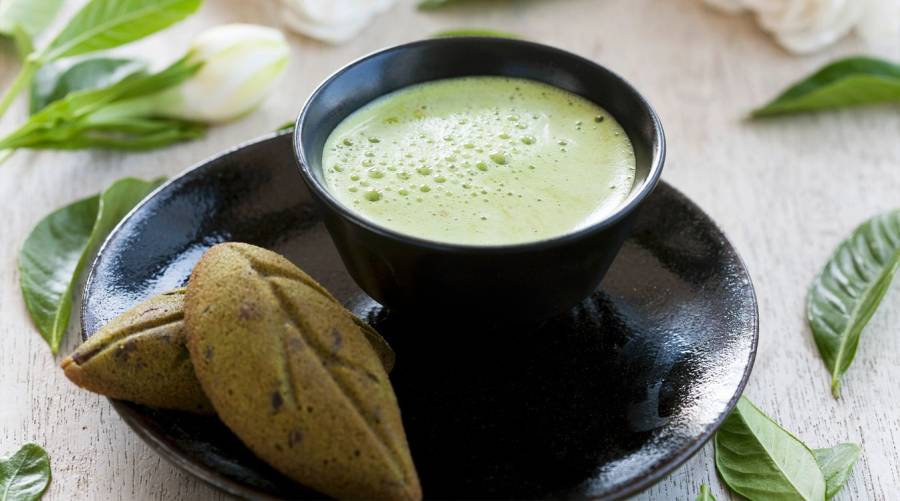
The natural remedy everyone’s talking about: Matcha Green Tea
Have you seen that bright green drink taking over your Instagram or TikTok feed? That’s matcha—a traditional Japanese green tea powder that’s now the go-to wellness remedy for Gen Z, nutritionists, and influencers alike. But here’s the twist: matcha is far more than just a trendy drink. It might be the all-in-one solution for your stress, fatigue, poor metabolism, and even mental fog.
Here’s everything you need to know about this super-drink, and why just one cup a day could transform your well-being.
What is Matcha, and why is everyone obsessed?
Matcha is not your ordinary green tea. It’s made by stone-grinding the whole leaves of the Camellia sinensis plant into a fine, vibrant green powder. While regular green tea is steeped and discarded, matcha lets you consume the entire leaf, giving your body a much more concentrated dose of its powerful nutrients.
Originating from Japan centuries ago, matcha was once used in sacred tea ceremonies. Fast forward to today, and it's found its way into lattes, desserts, smoothies, and even skincare products.
The natural health booster in your kitchen
Let’s break down what makes matcha a game-changing home remedy:
✅ Rich in antioxidants
Matcha contains up to 10x more antioxidants than regular green tea, including a class called catechins, which help fight cell damage and reduce your risk of chronic diseases. Think of it as an internal shield protecting your body from aging and stress.
- Fun fact: A study from Konkuk University in South Korea revealed that matcha had ten times the antioxidant levels compared to conventional green tea.
✅ Supports weight loss naturally
Trying to burn stubborn fat? Matcha may be your new best friend. Its combination of caffeine and catechins can help boost metabolism and enhance fat burning, making it an effective (and delicious) companion to your fitness goals.
✅ Gently energizes without the jitters
Tired of coffee crashes? Unlike coffee’s harsh caffeine spike, matcha offers calm, focused energy thanks to an amino acid called L-theanine. It helps slow the absorption of caffeine, giving you a steady, calm alertness that lasts for hours.
- Tip: Replace your morning coffee with a cup of matcha latte for a smoother start to your day—without the anxiety.
✅ Reduces stress & anxiety
Matcha is a natural mood stabilizer. The same L-theanine that boosts focus also promotes relaxation by lowering stress hormones. One daily cup can help soothe your nerves, ease anxiety, and even improve sleep quality.
✅ Improves brain function
Matcha may also help sharpen your memory and cognitive function. According to research published in the National Library of Medicine, elderly individuals showed improved brain function after just two grams of matcha per day for two months.
Is Matcha better than Coffee?
Many health-conscious individuals are replacing their morning coffee with a matcha latte. Compared to coffee, matcha delivers:
- Smoother, longer-lasting energy without the crash
- Less caffeine, reducing risk of jitteriness or insomnia
- Added calming effects due to L-theanine
- More antioxidants to fight inflammation and cellular aging
Bonus benefit: A natural brain booster
Thanks to its unique nutrient profile, matcha supports:
- Better memory
- Improved focus and alertness
- Mental clarity without overstimulation
- Combined with antioxidants and brain-friendly amino acids, it’s a natural nootropic—a brain-enhancing solution right in your kitchen cabinet.
But don’t overdo it...
Matcha is powerful—but it still contains caffeine. One teaspoon can have anywhere from 38 mg to 176 mg of caffeine, depending on the quality. While that’s still less than a cup of coffee, moderation is key.
Too much matcha may cause:
- Insomnia
- Increased heart rate
- Jitters or anxiety
- Digestive issues in caffeine-sensitive individuals
Recommended limit: Stick to one to two cups per day, especially if you're new to caffeine or have sensitivity issues.
Pro tip: Always choose high-quality Matcha
Not all matcha is created equal. To enjoy its true health benefits:
- Buy from reputable sources
- Choose ceremonial-grade if drinking plain
- Check for no added sugars or artificial flavors
- Avoid cheap variants mixed with fillers
Nutritionist Miranda Galati suggests: “If you’re drinking matcha for its health benefits, make sure it’s pure and from a certified source.”
What about the gamous ‘Dirty Matcha’?
A favorite among café lovers, Dirty Matcha is a combo of espresso and matcha. Sounds intense? It is! You get the caffeine kick from espresso plus the calming effect of L-theanine from matcha—a perfect balance of alert and zen.
But due to the caffeine load, it’s best enjoyed once a day.
The Matcha craze Is global – and growing
Japan’s matcha exports are skyrocketing. In 2023 alone, over 4,100 tons of matcha were produced—three times more than in 2010. As demand surges globally, quality control is becoming essential.
Some Japanese companies have even started limiting matcha sales due to supply shortages.
Final sip: Your daily dose of calm, clarity & clean energy
- Whether you want to lose weight, focus better at work, reduce anxiety, or simply swap your coffee with a healthier alternative, matcha might be the secret wellness ritual you need.
- It’s more than just a trend—it’s a natural remedy rooted in centuries of tradition, now backed by science.
So the next time you’re feeling tired, bloated, anxious, or unfocused—sip matcha, and let nature do its work.
Stay informed!
Want to keep up with the latest in health, medical tips, and news updates directly on your phone? Join the Medical News Pakistan WhatsApp Channel today!
Click here to join: Medical News Pakistan WhatsApp Channel

Advertisement
E-PAPER
Trending
Popular
Pakistan’s Dr. Misha Tanveer takes air pollution research to Europe ...
-
Calorie deficit for weight loss: How to ...
06:00 PM, 24 Aug, 2026 -
Vaccine maker warns of wider TBE, ...
05:00 PM, 21 Aug, 2026 -
FDA authorizes first robot to draw ...
06:11 PM, 20 Aug, 2026 -
One blood test for multiple cancers ...
04:52 PM, 11 Aug, 2026
Follow us on Facebook
Follow us on Twitter
Copyright ©2026 Medical News. All Rights Reserved.