
Yoga, tai chi, walking, and jogging may be best exercises for insomnia relief
New meta-study finds that four physical activities rival CBT-i in improving sleep quality, duration, and efficiency
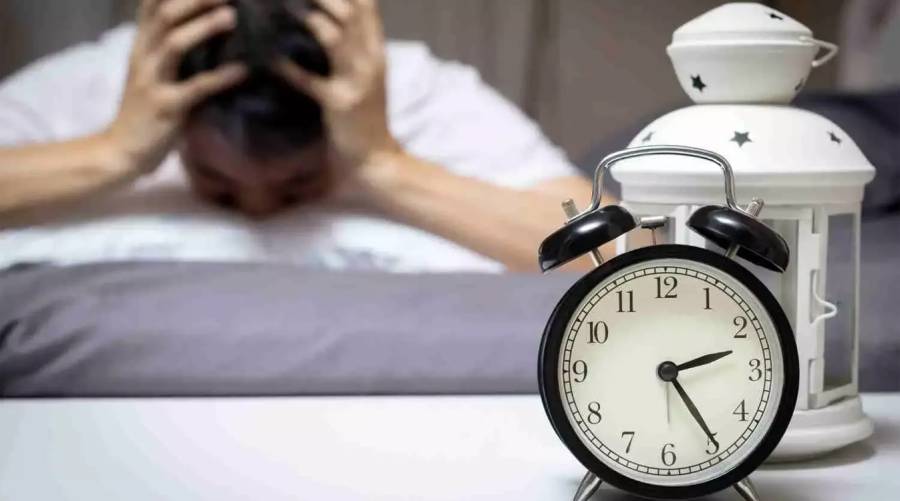
Yoga, tai chi, walking, and jogging identified as top exercises for insomnia management
A major new meta-study published in BMJ Evidence-Based Medicine suggests that yoga, tai chi, walking, and jogging may be among the most effective exercises for managing insomnia, offering benefits comparable to Cognitive Behavioral Therapy for Insomnia (CBT-i).
The meta-analysis reviewed 22 randomized controlled trials involving 1,348 participants, exploring 13 therapies for poor sleep and insomnia. Among the seven physical activity interventions analyzed, yoga and tai chi stood out, offering notable improvements in sleep quality, duration, and overall sleep efficiency.
Related story: Bedtime screen use raises Insomnia risk by 60%, new study reveals
Yoga leads the pack in sleep benefits
Practicing yoga was shown to:
- Increase total sleep time by nearly 2 hours per night
- Improve sleep efficiency by 15%
- Reduce sleep onset latency and wake time after sleep
Yoga’s combination of mindful movement, breathwork, and relaxation appears to regulate the parasympathetic nervous system, promoting a restful state conducive to sleep.
Tai chi shows long-lasting impact
Tai chi, a slow and meditative martial art, was found to:
- Improve sleep quality scores by over 4 points
- Increase sleep time by nearly 1 hour
- Deliver benefits lasting up to 2 years
Tai chi’s rhythmic movements and deep breathing help down-regulate stress and reduce cortisol levels, critical factors in sleep quality.
Walking and jogging also effective
Simple aerobic activities like walking and jogging yielded a 10-point reduction in insomnia severity scores. These exercises may support sleep by:
- Reducing stress
- Enhancing circadian rhythm
- Boosting Brain-Derived Neurotrophic Factor (BDNF)—a key player in sleep regulation
- CBT-i remains gold standard—but exercise is more accessible
While CBT-i remains the gold standard treatment, requiring structured sessions with a therapist, exercise offers an accessible, non-pharmacological, and long-term approach for those with mild to moderate insomnia.
You may also like: Forget 10,000 steps—why Japanese walking might be the smarter, science-backed routine
Experts highlight that the chronic activation of the sympathetic nervous system—the “fight-or-flight” response—is a core driver of insomnia. Exercises like yoga and tai chi calm this system and enhance the vagal tone, creating physiological conditions that support sleep.
“These forms of exercise reduce hyperarousal and stimulate the parasympathetic nervous system, preparing the body for restful sleep,” explained Leah Kaylor, PhD, a clinical psychologist specializing in trauma and sleep.
Addressing the roots of sleeplessness
Insomnia is rarely caused by a single factor. According to Carleara Weiss, PhD, and Jonathan Cedernaes, PhD, contributing factors include:
- Psychological stress
- Mental health conditions like anxiety and depression
- Lifestyle factors like late-night screen time and artificial lighting
- Dysfunctional beliefs about sleep and performance anxiety
The rising global prevalence of insomnia—affecting 16.2% of people worldwide and 14.5% of adults in the United States—makes holistic and accessible interventions like physical exercise all the more important.
Key takeaway
This meta-study reinforces a growing body of evidence that consistent physical activity—especially yoga, tai chi, walking, and jogging—can significantly improve sleep quality, reduce the impact of insomnia, and serve as a powerful complement to behavioral therapies.
Stay informed. Stay ahead.
CLICK HERE TO FOLLOW Medical News Pakistan WhatsApp Channel for trusted healthcare updates, expert insights, clinical research, policy news, and medical breakthroughs—delivered directly to you.

Advertisement
E-PAPER

Trending
Popular
Pakistan’s Dr. Misha Tanveer takes air pollution research to Europe ...
-
Calorie deficit for weight loss: How to ...
06:00 PM, 24 Aug, 2026 -
Vaccine maker warns of wider TBE, ...
05:00 PM, 21 Aug, 2026 -
FDA authorizes first robot to draw ...
06:11 PM, 20 Aug, 2026 -
One blood test for multiple cancers ...
04:52 PM, 11 Aug, 2026
Follow us on Facebook
Follow us on Twitter
Copyright ©2026 Medical News. All Rights Reserved.