
Bedtime screen use raises Insomnia risk by 60%, new study reveals
A Norwegian study links nightly screen time to shorter sleep and higher insomnia rates — experts explain how to reclaim your rest.
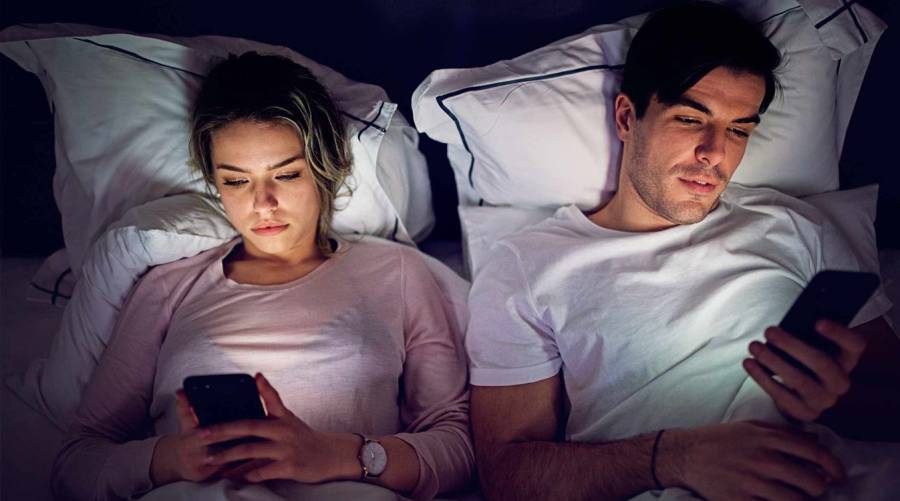
More screen time in bed may trigger Insomnia and disrupt sleep patterns
Is your phone keeping you up at night? According to a new study from Norway, screen use in bed can significantly increase the risk of insomnia. Just one hour of screen time before sleep can raise the likelihood of insomnia by nearly 60% and cut your sleep duration by approximately 30 minutes.
“It’s the overall screen time in bed that matters most, not the type of activity,” says lead author Børge Sivertsen, PhD, senior researcher at the Norwegian Institute of Public Health.
Key findings from the study
- An hour of in-bed screen use raises the risk of insomnia by 59%
- Average sleep duration drops by 24 minutes with increased screen use
- Social media use does not have a significantly stronger effect than other screen activities
The study analyzed data from over 45,000 adults aged 18–28, asking participants about their screen usage, bedtime habits, and sleep quality. Insomnia was defined as having trouble sleeping and experiencing daytime fatigue at least three times a week for three months or longer.
Why screen time disrupts sleep
Dr. Vishesh Kapur, Director of Sleep Medicine at the University of Washington says:
“Screen time at bedtime activates the mind. If content is interesting or emotionally disturbing, it can delay or disrupt sleep.”
In addition to cognitive stimulation, blue light emitted from screens suppresses melatonin, a hormone essential for regulating the sleep-wake cycle.
“Blue light from screens suppresses melatonin production,” explains Dr. Nitun Verma, sleep physician and spokesperson for the American Academy of Sleep Medicine.
Practical tips to reduce bedtime screen exposure
Dr. Verma shares actionable strategies to improve sleep by reducing nighttime screen time:
- Avoid screens 30–60 minutes before bed
- Lower screen brightness or enable Night Shift mode
- Use Do Not Disturb to block notifications
- Replace screen time with a relaxing bedtime ritual like reading or light stretching
- Use an analog alarm clock to reduce phone dependence
Expert insight on screen habits and sleep quality
Dr. Sivertsen notes:
“Even small reductions in screen time could improve sleep quality and duration. It’s not about quitting screens entirely — it’s about being mindful of how and when we use them, especially at night.”
While the study is observational and focused on a younger Norwegian population, it reinforces long-standing health advice: screens and sleep don’t mix.
Struggling with sleep? Try these tips and share your experience in the comments!

Advertisement
E-PAPER

Trending
Popular
Pakistan’s Dr. Misha Tanveer takes air pollution research to Europe ...
-
Calorie deficit for weight loss: How to ...
06:00 PM, 24 Aug, 2026 -
Vaccine maker warns of wider TBE, ...
05:00 PM, 21 Aug, 2026 -
FDA authorizes first robot to draw ...
06:11 PM, 20 Aug, 2026 -
One blood test for multiple cancers ...
04:52 PM, 11 Aug, 2026
Follow us on Facebook
Follow us on Twitter
Copyright ©2026 Medical News. All Rights Reserved.