Pakistan, China expand health cooperation at World Health Assembly talks in Geneva
Federal Health Minister Mustafa Kamal meets China’s National Health Commission Minister Lei Haichao during the 79th World Health Assembly, discussing pharmaceutical manufacturing, vaccine collaboration, DRAP reforms, medical education, and broader Pakistan-China healthcare cooperation.
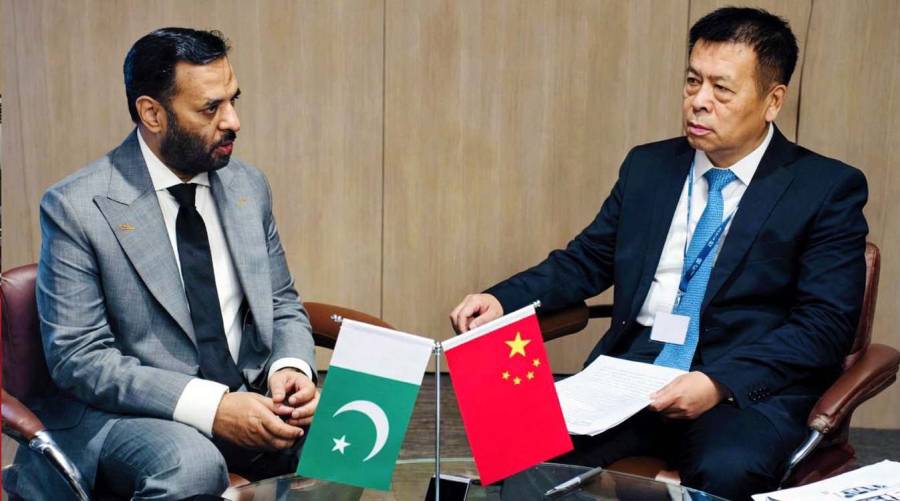
GENEVA: Pakistan and China have moved to deepen bilateral cooperation in healthcare, pharmaceuticals, vaccine manufacturing, and medical education during high-level talks held on the sidelines of the 79th World Health Assembly (WHA79) in Geneva, as global health leaders gather this week to discuss some of the world’s most pressing public health challenges.
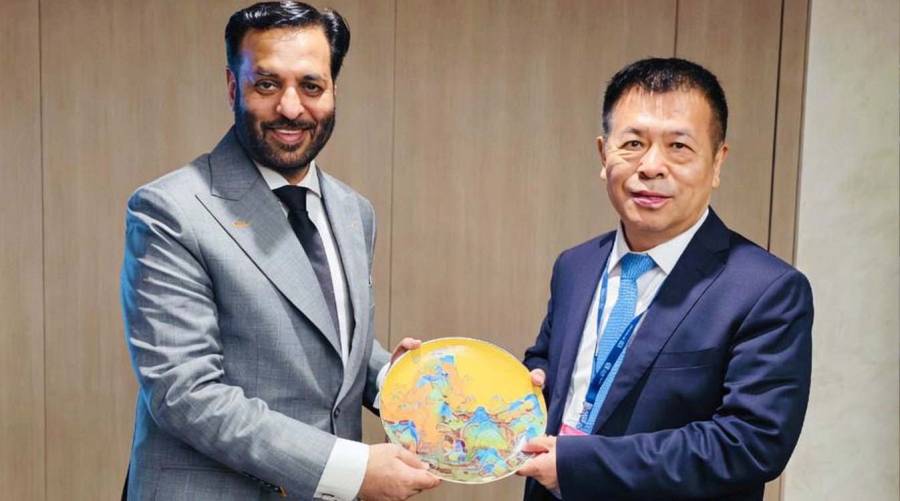
Pakistan's Federal Health Minister Syed Mustafa Kamal met China’s National Health Commission Minister Lei Haichao during a series of bilateral engagements taking place alongside the annual assembly of the World Health Organization (WHO).
The 79th World Health Assembly, being held in Geneva from May 18 to May 23, 2026, serves as the WHO’s highest decision-making forum, bringing together delegations from member states to debate global health policy, pandemic preparedness, healthcare financing, climate-related health risks, misinformation, noncommunicable diseases, and international health system reforms.
According to Pakistan’s Ministry of National Health Services, the meeting focused on expanding strategic cooperation in healthcare infrastructure, pharmaceutical production, vaccine manufacturing, and medical technology transfer between the two countries.
During the discussions, Mustafa Kamal thanked China for its diplomatic and strategic support to Pakistan during the recent regional crisis and emphasized the importance of strengthening long-term institutional collaboration in the health sector.
The Pakistani health minister highlighted what he described as three urgent areas requiring immediate cooperation, particularly the local manufacturing of pharmaceutical raw materials and Active Pharmaceutical Ingredients (APIs), which form the backbone of drug production.
“Pakistan currently imports nearly 80 to 90 percent of its pharmaceutical raw material requirements,” Mustafa Kamal said during the meeting, stressing the need to reduce dependence on foreign imports and improve domestic pharmaceutical resilience.
Officials said discussions also covered the development of naphtha cracker infrastructure in Pakistan, which experts consider essential for strengthening the country’s petrochemical and pharmaceutical manufacturing ecosystem.
Healthcare analysts say Pakistan’s pharmaceutical industry has long struggled with heavy reliance on imported APIs, making the country vulnerable to currency fluctuations, global supply chain disruptions, and rising medicine production costs.
The two sides also explored possibilities for joint vaccine production and broader pharmaceutical collaboration as Pakistan seeks to expand local manufacturing capacity and improve healthcare security after lessons learned from the COVID-19 pandemic.
Mustafa Kamal informed the Chinese delegation that Drug Regulatory Authority of Pakistan (DRAP) is expected to achieve the World Health Organization’s Maturity Level 3 (ML3) status by early 2027 — a globally recognized regulatory benchmark that could significantly expand Pakistan’s pharmaceutical export access.
According to Pakistani officials, achieving WHO Level 3 status could potentially allow Pakistan’s pharmaceutical sector to access nearly 100 additional international markets, strengthening exports and improving global confidence in locally manufactured medicines.
Related story: Karachi clinic secures international regenerative medicine milestone to promote longer, pain-free living
The meeting also produced agreement on institutionalizing ongoing cooperation before Mustafa Kamal’s expected visit to China in October 2026.
Pakistan designated the Chief Executive Officer of DRAP and Pakistan Mission Geneva official Adeel Mumtaz as focal persons to coordinate follow-up discussions and implementation frameworks.
Chinese Health Minister Lei Haichao reaffirmed Beijing’s interest in expanding healthcare cooperation with Pakistan, describing Pakistan-China relations as an “iron friendship” built on longstanding strategic ties.
Chinese officials expressed willingness to support Pakistan in pharmaceutical manufacturing, healthcare innovation, raw material production, and advanced medicine development, according to the Pakistani health ministry.
China also announced plans to host an international conference on traditional medicine in October 2026 and said Pakistan’s federal health minister would receive a formal invitation to participate.
In addition, Chinese authorities announced an increase in educational scholarships for Pakistani students under bilateral academic cooperation initiatives.
The Chinese side also reiterated support for the “One China Policy” during the discussions, according to officials familiar with the meeting.
The Geneva talks come at a time when countries worldwide are reassessing healthcare resilience, pandemic preparedness, medicine supply chains, and pharmaceutical self-sufficiency amid growing geopolitical uncertainty and rising global healthcare demands.
Public health experts say Pakistan’s growing engagement with China in pharmaceuticals, biotechnology, vaccines, and healthcare regulation could play a significant role in strengthening the country’s long-term healthcare infrastructure and reducing dependency on costly medical imports.
Stay informed, stay alert
CLICK HERE TO JOIN Medical News Pakistan on WhatsApp for real-time health alerts, expert insights, and breakthrough medical discoveries.

Advertisement
E-PAPER
Trending
Popular
Pakistan’s Dr. Misha Tanveer takes air pollution research to Europe ...
-
Calorie deficit for weight loss: How to ...
06:00 PM, 24 Aug, 2026 -
Vaccine maker warns of wider TBE, ...
05:00 PM, 21 Aug, 2026 -
FDA authorizes first robot to draw ...
06:11 PM, 20 Aug, 2026 -
One blood test for multiple cancers ...
04:52 PM, 11 Aug, 2026
Follow us on Facebook
Follow us on Twitter
Copyright ©2026 Medical News. All Rights Reserved.