
Argentina walks out of WHO — a global health shift the world can’t ignore
Argentina formally exits the World Health Organization, citing “health sovereignty” — but the real question is: what happens next for global cooperation?
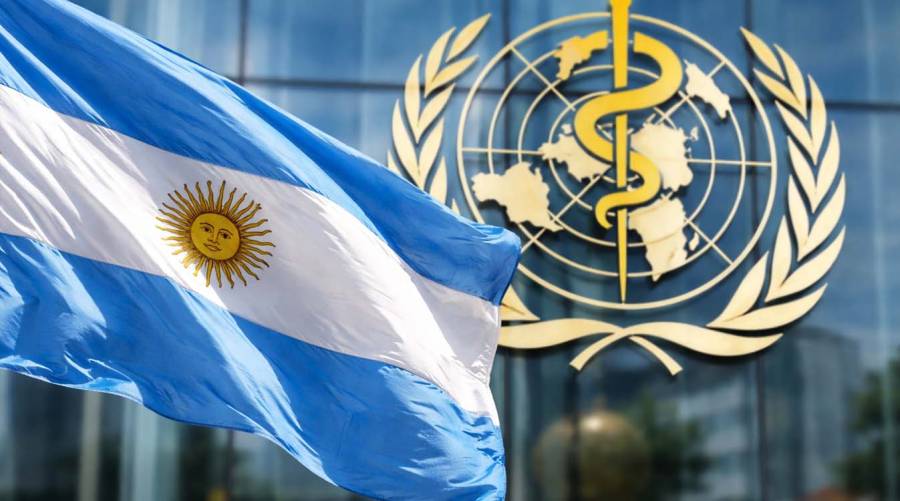
What happens when a country decides to walk away from the world’s most powerful health body?
In a move that is already sending ripples across global health circles, Argentina has officially withdrawn from the World Health Organization — a decision that could redefine how nations engage with international health systems in the years ahead.
This is not just a political statement.
It’s a signal of a deeper shift unfolding in global health governance.
A decision one year in the making
Argentina’s exit became effective exactly one year after its formal notification to the United Nations, a timeline mandated under the Vienna Convention on the Law of Treaties.
Confirming the development, Foreign Minister Pablo Quirno announced that the withdrawal had now been fully implemented.
The notification was originally submitted on March 17, 2025, marking the start of a calculated and legally structured disengagement from the global health body.
‘Health sovereignty’ vs global coordination
The government of President Javier Milei has consistently framed the decision as a matter of national sovereignty — the right to independently design and implement health policies without external influence.
Despite stepping away from WHO, Argentine authorities have emphasized that the country will not isolate itself from global health cooperation.
Instead, they plan to continue engagement through:
• Bilateral agreements
• Regional health partnerships
The message is clear:
Cooperation will continue — but on Argentina’s own terms.
The COVID-19 divide that led here
At the heart of this decision lies a deep and ongoing dispute over the handling of the COVID-19.
President Milei has been openly critical of WHO, previously calling the organization “nefarious” and accusing it of enabling what he described as one of the largest social control experiments in modern history.
These remarks reflect a broader ideological clash — one that extends beyond Argentina and into a growing global debate over the role and authority of international institutions.
Critics warn of serious consequences
The move has sparked sharp criticism from health experts and policy analysts within Argentina, many of whom have described the decision as risky from a public health standpoint.
Concerns include:
• Reduced access to global health coordination mechanisms
• Potential isolation in times of international health emergencies
• Loss of technical guidance and support
However, the government maintains that the exit will allow for greater flexibility, faster decision-making, and policies tailored specifically to national needs.
A growing global trend?
Argentina’s decision does not exist in isolation.
The country’s stance echoes similar criticisms raised by Donald Trump, whose administration had also moved to exit WHO, citing dissatisfaction with its handling of global health crises.
Related story: Why did the United States quit WHO, what does it mean for global health?
While global health systems have long depended on coordinated responses, recent years have exposed fractures — with nations increasingly questioning centralized authority.
Why this moment matters
This is more than a diplomatic shift.
It’s a test of how global health cooperation will evolve in a more fragmented world.
Will countries move toward independent, sovereign health systems?
Or will crises force a return to stronger global coordination?
For now, Argentina’s exit raises a powerful and uncomfortable question:
Can global health survive without global unity?
Stay informed, stay healthy
CLICK HERE TO JOIN Medical News Pakistan on WhatsApp for the latest health insights, diabetes research updates, and expert tips straight to your phone.

Advertisement
E-PAPER
Trending
Popular
Pakistan’s Dr. Misha Tanveer takes air pollution research to Europe ...
-
Calorie deficit for weight loss: How to ...
06:00 PM, 24 Aug, 2026 -
Vaccine maker warns of wider TBE, ...
05:00 PM, 21 Aug, 2026 -
FDA authorizes first robot to draw ...
06:11 PM, 20 Aug, 2026 -
One blood test for multiple cancers ...
04:52 PM, 11 Aug, 2026
Follow us on Facebook
Follow us on Twitter
Copyright ©2026 Medical News. All Rights Reserved.