
Another Congo virus case confirmed in Karachi as infections rise after Eid
33-year-old hairdresser from Bhains Colony tests positive for Crimean-Congo haemorrhagic fever and is being treated in isolation at JPMC Karachi
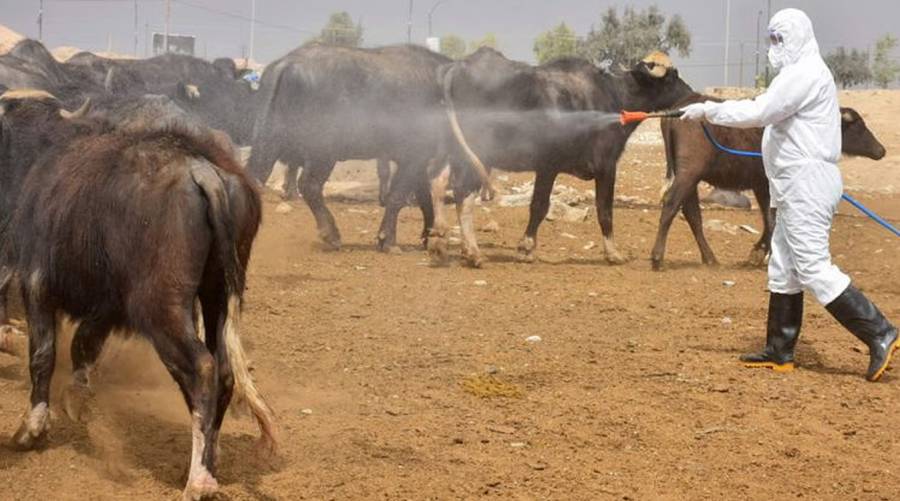
Congo virus case confirmed in Karachi as post-Eid infections raise alarms
KARACHI: Another Congo virus case has been confirmed in Karachi, raising public health concerns just weeks after Eid-Ul-Azha, a time when animal handling is at its peak across the city.
According to Jinnah Postgraduate Medical Centre (JPMC) officials, the latest patient is a 33-year-old male resident of Bhains Colony, who works professionally as a hairdresser. He was admitted to the hospital with symptoms of high-grade fever, along with bleeding from the nose and gums, which are classic symptoms of Crimean-Congo haemorrhagic fever (CCHF).
You may like: NIH issues Congo virus advisory ahead of Eid ul-Adha: Citizens urged to take precautions
Following his Polymerase Chain Reaction (PCR) test, the hospital confirmed the presence of CCHF, a tick-borne viral disease known for causing severe internal bleeding and high fatality rates. The patient has since been shifted to a dedicated isolation ward, where he is receiving specialized treatment under strict infection control protocols.
Public health concerns escalate
Officials from the Sindh Health Department have confirmed that two people have already died in Karachi due to Congo virus complications post-Eid. This recent case brings attention to the potential health hazards associated with animal handling, especially during religious festivals when there is direct contact with sacrificial livestock.
Medical experts warn that the virus can transmit through contact with infected animal blood or tissues, as well as from human-to-human through bodily fluids, making barbers, butchers, and livestock handlers particularly vulnerable.
What is Congo virus (CCHF)?
- Caused by Nairovirus, part of the Bunyaviridae family
- Transmitted via tick bites or direct contact with infected animal/human blood
- Incubation period: 1–13 days
- Symptoms: High fever, muscle pain, vomiting, bleeding
- Mortality rate: 10–40%, depending on case severity and treatment speed
Urgent public health advisory
The Sindh Health Department urges citizens—especially livestock handlers, veterinarians, barbers, and meat workers—to take preventive measures, including:
- Wearing protective gloves and clothing
- Using insect repellents to ward off ticks
- Avoiding contact with blood or bodily fluids of potentially infected animals or humans
- Immediately reporting any symptoms related to haemorrhagic fevers to a hospital
Hospitals across the city, including JPMC and Civil Hospital Karachi, have been instructed to remain on high alert and to ensure infection prevention protocols are strictly followed.
The recent uptick in Congo virus cases in Karachi following Eid festivities highlights the urgent need for public education and strengthening of surveillance systems across high-risk areas.
Stay informed. Stay ahead.
CLICK HERE TO FOLLOW Medical News Pakistan WhatsApp Channel for trusted healthcare updates, expert insights, clinical research, policy news, and medical breakthroughs—delivered directly to you.

Advertisement
E-PAPER
Trending
Popular
Pakistan’s Dr. Misha Tanveer takes air pollution research to Europe ...
-
Calorie deficit for weight loss: How to ...
06:00 PM, 24 Aug, 2026 -
Vaccine maker warns of wider TBE, ...
05:00 PM, 21 Aug, 2026 -
FDA authorizes first robot to draw ...
06:11 PM, 20 Aug, 2026 -
One blood test for multiple cancers ...
04:52 PM, 11 Aug, 2026
Follow us on Facebook
Follow us on Twitter
Copyright ©2026 Medical News. All Rights Reserved.