
NIH issues Congo virus advisory ahead of Eid ul-Adha: Citizens urged to take precautions
Balochistan remains the hotspot as cross-border livestock movement raises risk of Crimean-Congo Hemorrhagic Fever (CCHF) outbreak during Eid.
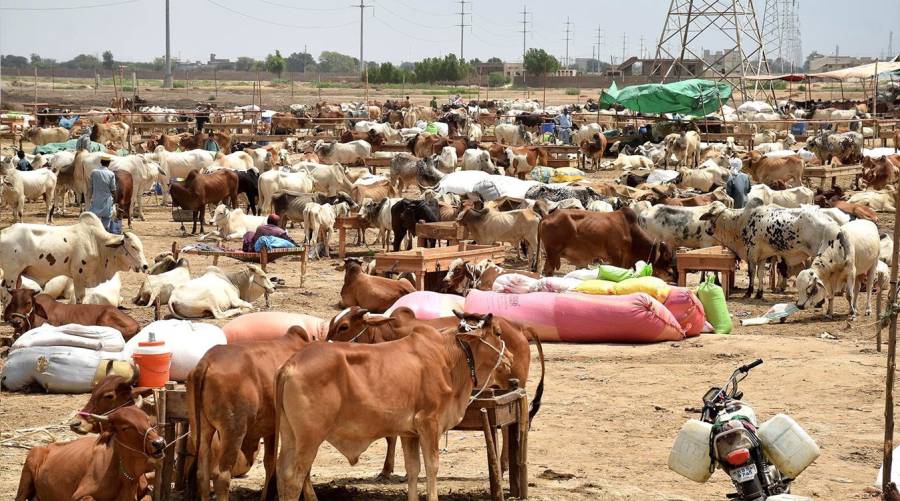
Congo virus advisory issued before Eid ul-Adha
ISLAMABAD: The National Institute of Health (NIH) in Islamabad has released a critical health advisory on Crimean-Congo Hemorrhagic Fever (CCHF)—commonly referred to as the Congo virus—in light of increased livestock movement across Pakistan in the run-up to Eid ul-Adha 2025.
The advisory, which has been dispatched to federal and provincial health departments, as well as private and public hospitals, aims to curb the spread of the deadly viral infection that poses a serious public health risk every year during Eid due to the nationwide transport of animals.
Understanding Crimean-Congo Hemorrhagic Fever (CCHF)
CCHF is a highly contagious viral disease transmitted to humans through:
- Tick bites (especially Hyalomma ticks on cattle)
- Contact with infected animal blood or tissue
- Secondary transmission through contact with infected humans
The virus causes sudden onset of high fever, muscle pain, vomiting, and uncontrolled bleeding, with fatality rates ranging from 10% to 40%, depending on the timeliness of treatment and response.
Why the risk rises around Eid ul-Adha
The mass transport of livestock across provinces—particularly from Balochistan, which remains a hotspot for Congo virus cases due to cross-border cattle movement—amplifies the transmission risk. In 2024 alone, 61 confirmed cases were reported nationwide.
The NIH emphasizes the urgent need for preventive measures during this critical period to avoid an outbreak.
Key NIH recommendations for public safety
To protect citizens and healthcare workers, the NIH has outlined the following precautionary guidelines:
For the general public:
- Avoid direct contact with animals, especially without protective gear.
- Wear long-sleeved clothing and gloves when handling livestock.
- Use tick repellents on exposed skin and clothing.
- Ensure animal enclosures are regularly disinfected.
For healthcare providers:
- Implement strict infection prevention protocols in hospitals.
- Use personal protective equipment (PPE) while treating suspected CCHF patients.
- Isolate suspected cases immediately to prevent secondary transmission.
- Report all suspected cases to the nearest health authority without delay.
Balochistan identified as high-risk zone
The first documented case of CCHF in Pakistan dates back to 1976, with Balochistan consistently recording the highest number of cases. The region's porous borders, free livestock movement, and limited healthcare infrastructure contribute to its vulnerability.
NIH has called for heightened surveillance, public awareness campaigns, and collaborative cross-border efforts to control the spread from this region.
Expert perspective on Congo virus prevention
According to infectious disease specialists, prevention and early detection are the most effective strategies to avoid fatalities.
“We need a coordinated effort from both the public and private sectors to ensure this virus does not get out of hand during Eid,” said a senior NIH spokesperson.
Final word: Stay informed, stay safe
As Eid ul-Adha approaches, vigilance is key. The NIH urges all citizens, livestock traders, and healthcare professionals to remain alert, follow safety protocols, and seek medical attention immediately if any symptoms arise.

Advertisement
E-PAPER
Trending
Popular
Pakistan’s Dr. Misha Tanveer takes air pollution research to Europe ...
-
Calorie deficit for weight loss: How to ...
06:00 PM, 24 Aug, 2026 -
Vaccine maker warns of wider TBE, ...
05:00 PM, 21 Aug, 2026 -
FDA authorizes first robot to draw ...
06:11 PM, 20 Aug, 2026 -
One blood test for multiple cancers ...
04:52 PM, 11 Aug, 2026
Follow us on Facebook
Follow us on Twitter
Copyright ©2026 Medical News. All Rights Reserved.