
New study finds body fat percentage beats BMI in predicting mortality risk
Emerging research shows that measuring body fat percentage provides a more accurate and reliable indicator of overall health and risk of death than BMI.
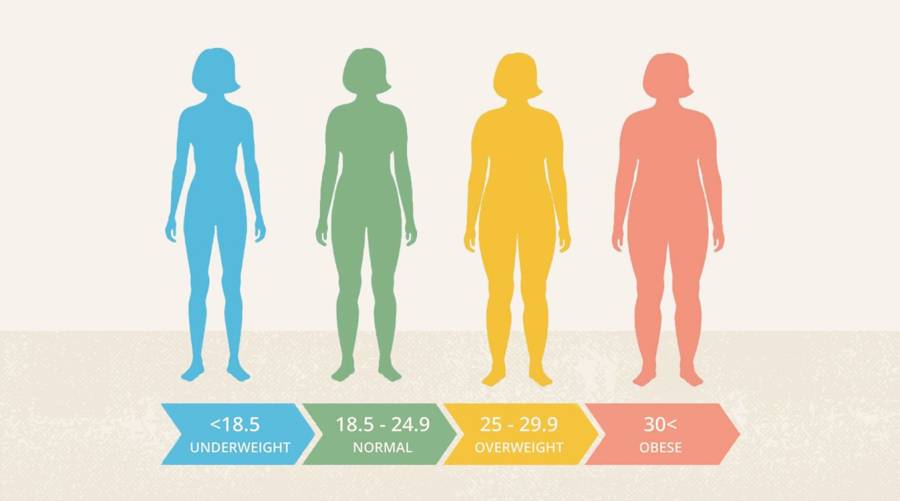
Body fat percentage outperforms BMI in predicting risk of death, study finds
A growing body of research is challenging the long-standing reliance on BMI (body mass index) as a primary health assessment tool. According to a new study published in the Annals of Family Medicine, body fat percentage (BF%) is a significantly better predictor of mortality risk than BMI.
Why BMI falls short as a health metric
BMI has long been used by healthcare providers to gauge whether individuals fall within a “healthy weight” range. However, it calculates body composition solely based on height and weight, ignoring important factors such as age, sex, muscle mass, and fat distribution.
You may like: Global commission redefines obesity diagnosis: Moving beyond BMI
Experts point out that this can lead to mislabeling. For example, elite athletes with high muscle mass may register a high BMI, falsely indicating obesity, while people with a “normal” BMI might carry unhealthy levels of fat—sometimes referred to as “normal weight obesity” or “skinny fat.”
Study highlights: Body fat percentage and mortality
Researchers from the University of Florida Health analyzed data from 4,252 adults aged 20 to 49. The study used bioelectrical impedance analysis to measure body fat percentage (BF%) and tracked participant mortality over nearly two decades.
People also read: 5 principles of a healthy diet backed by science and expert consensus
Key findings include:
- BMI had no significant link to higher mortality risk, even in those classified as obese.
- Individuals with a high BF% (27%+ for men, 44%+ for women) were 78% more likely to die from any cause.
- Waist circumference was less predictive than BF% but still correlated with elevated mortality risk.
What this means for healthcare
Lead researcher Arch Mainous, PhD, emphasized the importance of shifting clinical focus from BMI to more direct and individualized measures like BF%. Modern bioelectrical impedance machines can calculate body fat within a minute, making this tool accessible for use in routine checkups.
“Body fat percentage is a reliable, inexpensive, and easy-to-obtain metric that offers a clearer picture of patient health,” said Mainous.
Doctors still see value in BMI as a starting point, but agree that combining it with BF%, waist circumference, blood pressure, and cholesterol provides a more accurate and personalized health assessment.
The bottom line
BMI alone is no longer enough. As evidence continues to mount, experts advocate for widespread adoption of body fat percentage measurement in clinical practice to improve prevention and management of chronic diseases, and most importantly, to better predict long-term health outcomes.
Stay informed. Stay ahead.
CLICK HERE TO FOLLOW Medical News Pakistan WhatsApp Channel for trusted healthcare updates, expert insights, clinical research, policy news, and medical breakthroughs—delivered directly to you.

Advertisement
E-PAPER

Trending
Popular
Pakistan’s Dr. Misha Tanveer takes air pollution research to Europe ...
-
Calorie deficit for weight loss: How to ...
06:00 PM, 24 Aug, 2026 -
Vaccine maker warns of wider TBE, ...
05:00 PM, 21 Aug, 2026 -
FDA authorizes first robot to draw ...
06:11 PM, 20 Aug, 2026 -
One blood test for multiple cancers ...
04:52 PM, 11 Aug, 2026
Follow us on Facebook
Follow us on Twitter
Copyright ©2026 Medical News. All Rights Reserved.