
Mpox situation worsens in Karachi with new case confirmed, authorities raise local transmission concerns
Two new linked infections in Malir push Karachi’s Mpox tally to four, as Sindh reports 26 confirmed cases out of 123 suspected, raising urgent calls for vigilance and prevention
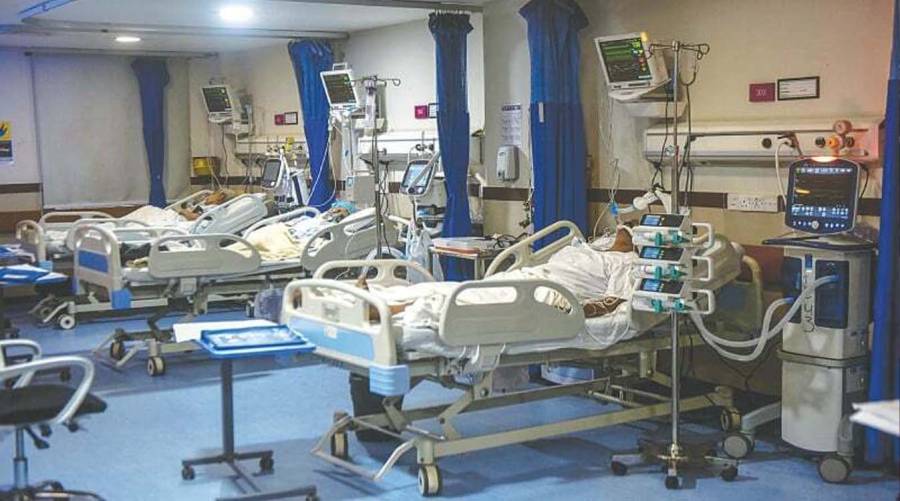
KARACHI: A quiet but worrying rise in Mpox cases across Sindh is beginning to test the province’s public health readiness. What initially appeared as isolated infections is now showing signs of localized transmission, particularly in Karachi, where new confirmed cases have pushed the total to four — intensifying concern among health officials and infectious disease experts.
According to official reports, a 40-year-old man from Malir tested positive for Mpox, followed shortly by confirmation that his wife has also contracted the virus. The linked infections have raised alarm bells, suggesting possible household transmission and closer community exposure.
Health authorities warn that without strict adherence to preventive measures, the situation could escalate further.
Sindh reports rising suspected and confirmed cases
A spokesperson for the Sindh Health Department confirmed that the province has recorded 123 suspected Mpox cases, of which 26 have been laboratory confirmed.
While officials have not declared a public health emergency, surveillance systems have been strengthened, and contact tracing efforts are reportedly underway to prevent further spread.
Related story: Mpox child death toll hits 12 in Khairpur, hospital failures force desperate transfers to Gambat
Experts emphasize that early detection and isolation remain the strongest tools in containing Mpox outbreaks, particularly in densely populated urban centers like Karachi.
What is Mpox and why health experts are concerned
Mpox is a contagious viral disease caused by an orthopoxvirus, belonging to the same family as the smallpox virus. Although generally less severe than smallpox, it can still cause significant illness and complications in vulnerable individuals.
The disease spreads primarily through close physical contact, contaminated materials, and respiratory droplets in prolonged face-to-face interaction.
Common symptoms of Mpox
Health professionals highlight the following warning signs:
• Fever and chills
• Severe headache
• Muscle aches and back pain
• Swollen lymph nodes
• Fatigue and weakness
• Skin rash or lesions, often beginning on the face and spreading across the body
Early recognition of these symptoms is critical for timely isolation and treatment.
Preventive measures: What the public must do now
Medical experts and health authorities are urging citizens to take immediate precautions to prevent further spread:
• Avoid close contact with individuals showing symptoms
• Maintain strict personal hygiene and frequent handwashing
• Wear masks in crowded or high-risk environments
• Do not share personal items such as clothing, bedding, or utensils
• Seek medical care immediately if symptoms develop
• Ensure isolation of confirmed or suspected cases
Health officials stress that community cooperation is essential to prevent a wider outbreak.
Public health vigilance remains the key
While the number of confirmed cases remains relatively limited, the pattern of transmission in Karachi signals the need for heightened awareness. Health authorities continue to monitor the situation closely and urge the public not to panic, but to act responsibly.
The Sindh Health Department has reiterated its commitment to controlling the spread through active surveillance, testing, and awareness campaigns.
Stay informed, stay protected
CLICK HERE TO JOIN Medical News Pakistan on WhatsApp for real-time health alerts, expert insights, and breakthrough medical discoveries.

Advertisement
E-PAPER
Trending
Popular
Pakistan’s Dr. Misha Tanveer takes air pollution research to Europe ...
-
Calorie deficit for weight loss: How to ...
06:00 PM, 24 Aug, 2026 -
Vaccine maker warns of wider TBE, ...
05:00 PM, 21 Aug, 2026 -
FDA authorizes first robot to draw ...
06:11 PM, 20 Aug, 2026 -
One blood test for multiple cancers ...
04:52 PM, 11 Aug, 2026
Follow us on Facebook
Follow us on Twitter
Copyright ©2026 Medical News. All Rights Reserved.