
Daily brisk walking for 15 minutes can cut heart disease risk by 19%
New study finds that walking faster, not longer, delivers greater heart health benefits and reduces risk of early death.
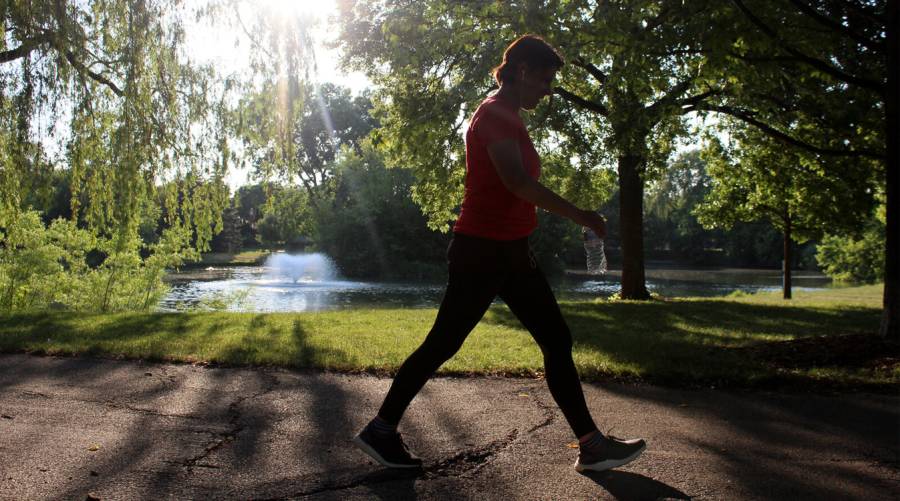
Daily brisk walking proven to boost heart health and cut mortality risk
A daily brisk 15-minute walk could significantly improve heart health and lower the risk of early death, according to new research that challenges the common “10,000 steps” goal.
The study, conducted by US researchers and published in the American Journal of Preventive Medicine, analyzed health data from over 79,850 adults from low-income communities. It found that walking at a fast pace was more beneficial than walking slowly for several hours, even after accounting for total leisure-time physical activity.
Brisk walking vs. slow walking
The researchers classified walking slowly as activities such as walking at work, light exercise, or walking the dog, while brisk walking included climbing stairs, walking quickly, or exercising. They discovered that fast walking for just 15 minutes a day reduced the risk of death from all causes by nearly 20%, with the most pronounced benefit for cardiovascular disease.
Why brisk walking works
Lead investigator professor Wei Zeng explained that brisk walking boosts heart efficiency, reduces obesity, and improves VO2-max — a measure of how effectively the body uses oxygen during exercise. A higher VO2-max is linked to better fitness levels and lower heart disease risk.
“Brisk walking offers a convenient, accessible, and low-impact activity that individuals of all ages and fitness levels can use to improve general and cardiovascular health,” said Prof. Zeng.
Urgent public health need
Co-author professor Lili Liu and the research team urged health officials to promote fast walking, particularly in communities with limited healthcare access. They highlighted the need for public campaigns to address barriers such as safety concerns and to encourage more intense daily activity.
In the UK, cardiovascular disease remains a leading cause of premature death, with around 420 working-age people dying from heart-related conditions each week. Globally, the World Health Organization (WHO) estimates that physical inactivity causes about 2 million deaths per year, ranking among the top causes of global mortality and disability.
Key takeaway
The evidence suggests that prioritizing pace over distance could help reduce the burden of heart disease, save lives, and improve public health outcomes worldwide. Experts recommend incorporating brisk walking into daily routines to maximize cardiovascular benefits.
Stay informed. Stay ahead.
CLICK HERE TO FOLLOW Medical News Pakistan WhatsApp Channel for trusted healthcare updates, expert insights, clinical research, policy news, and medical breakthroughs—delivered directly to you.
Advertisement
E-PAPER
Trending
Popular
Pakistan’s Dr. Misha Tanveer takes air pollution research to Europe ...
-
Calorie deficit for weight loss: How to ...
06:00 PM, 24 Aug, 2026 -
Vaccine maker warns of wider TBE, ...
05:00 PM, 21 Aug, 2026 -
FDA authorizes first robot to draw ...
06:11 PM, 20 Aug, 2026 -
One blood test for multiple cancers ...
04:52 PM, 11 Aug, 2026
Follow us on Facebook
Follow us on Twitter
Copyright ©2026 Medical News. All Rights Reserved.