
WHO, Pakistan join forces to protect 1.3 million people from monsoon health emergencies
Amid rising flood threats, WHO and the Government of Pakistan prepare critical health interventions for vulnerable populations in 33 high-risk districts
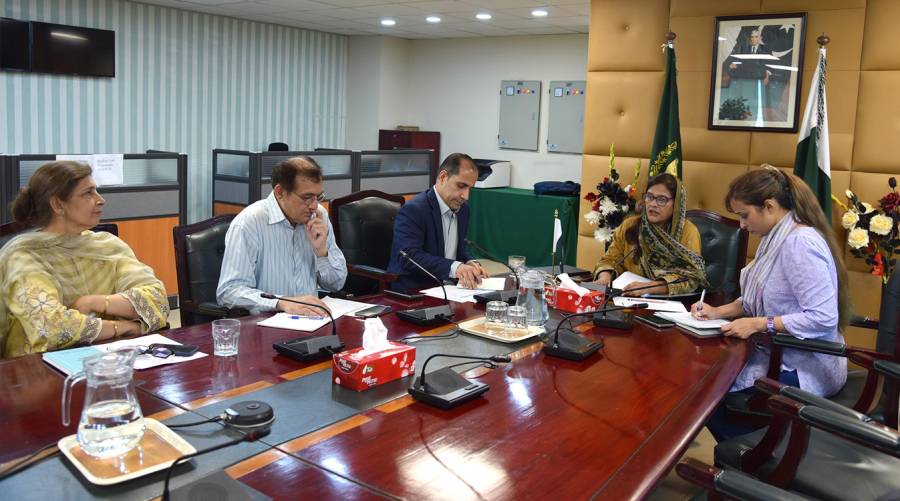
WHO and Pakistan prepare emergency health response ahead of monsoon floods
ISLAMABAD: The World Health Organization (WHO), in collaboration with the Government of Pakistan and other health partners, has launched a major emergency preparedness campaign to safeguard the health of 1.3 million vulnerable people ahead of the expected monsoon floods.
This proactive initiative is part of the Monsoon Contingency Plan 2025, which was reviewed and finalized during a Health Sector Coordination Forum meeting jointly led by the Ministry of National Health Services and WHO. The forum underscored the urgent need for a coordinated and timely health emergency response in light of forecasted heavy rainfall and flooding across the country.
“WHO stands with Pakistan and partners to be ready to save lives by supporting rapid response, surveillance and the continuity of essential health services in the event of a natural disaster,” said Dr Dapeng Luo, WHO Representative in Pakistan. “In a context marked by the impacts of climate change, it is crucial to be ready to protect the health of all, particularly the most vulnerable.”
33 high-risk districts identified
The plan targets 33 flood-prone districts in four provinces:
- Punjab (10 districts)
- Sindh (10 districts)
- Balochistan (9 districts)
- Khyber Pakhtunkhwa (4 districts)
Priority will be given to pregnant and lactating women, children under five, people with disabilities, senior citizens, internally displaced persons (IDPs) and underserved communities.
Core response strategies
To ensure a life-saving and sustainable health response, the following key activities are underway:
- Prepositioning of emergency health kits and supplies in priority districts
- Rapid outbreak detection and disease surveillance to prevent epidemics
- Deployment of static and mobile health services, including telemedicine
- Enhanced WASH (Water, Sanitation and Hygiene) interventions at healthcare facilities
- Activation of early warning systems and real-time data monitoring
These measures aim to minimize the disruption of essential health services and reduce mortality and morbidity linked to monsoon-related disasters.
Climate change intensifying disaster risk
According to the Global Climate Risk Index 2021, Pakistan ranks 8th among countries most affected by extreme weather events between 2000 and 2019. Monsoon-induced floods remain the most frequent and destructive, posing serious threats to human health, infrastructure, and livelihoods.
People also read: WHO and Pakistan launch 26 new vaccination centers to boost immunization access
The devastating 2022 floods, which affected more than 33 million people and damaged over 2,000 health facilities, serve as a stark reminder of the urgent need for anticipatory health planning.
This year, the Pakistan Meteorological Department and National Disaster Management Authority (NDMA) have issued nationwide flood alerts following intense monsoon activity. As of July 10, 79 fatalities and 140 injuries have been reported since the start of the monsoon season on June 26.
CLICK HERE TO JOIN the Medical News Pakistan WhatsApp Channel for real-time updates on health emergencies, flood alerts, and lifesaving medical guidance during the monsoon season. Be the first to know about official advisories, WHO updates, and critical public health information.

Advertisement
E-PAPER
Trending
Popular
Pakistan’s Dr. Misha Tanveer takes air pollution research to Europe ...
-
Calorie deficit for weight loss: How to ...
06:00 PM, 24 Aug, 2026 -
Vaccine maker warns of wider TBE, ...
05:00 PM, 21 Aug, 2026 -
FDA authorizes first robot to draw ...
06:11 PM, 20 Aug, 2026 -
One blood test for multiple cancers ...
04:52 PM, 11 Aug, 2026
Follow us on Facebook
Follow us on Twitter
Copyright ©2026 Medical News. All Rights Reserved.