
New study reveals hidden immune risks of asymptomatic malaria infections
Groundbreaking research shows that “silent” Plasmodium vivax infections may suppress the immune system, challenging long-held beliefs in malaria control.
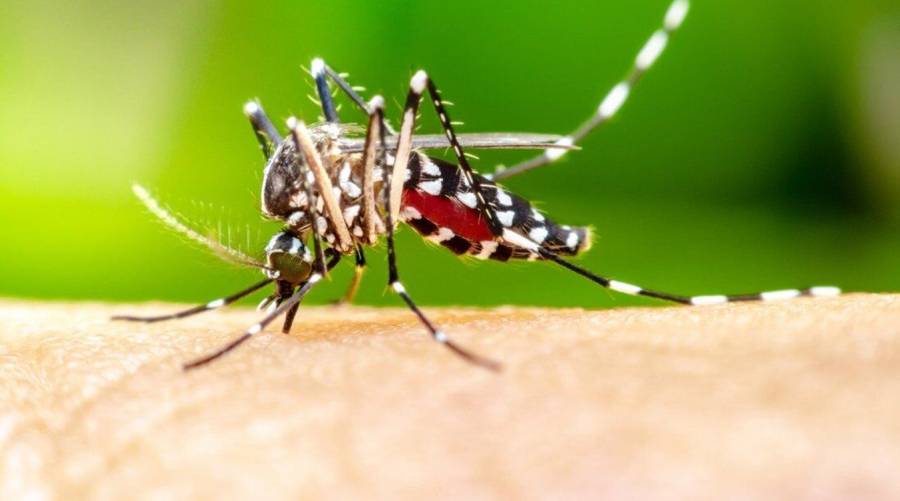
New research uncovers immune suppression risks from asymptomatic malaria infections
A new study has revealed that asymptomatic malaria infections, long considered harmless, may actually undermine the immune system and complicate global elimination efforts. The research, led by Professor Diana Hansen from Monash University, examined Plasmodium vivax, the world’s most widespread malaria parasite and a major barrier to eradication.
Traditionally, people in malaria-endemic regions who carried the parasite without symptoms were thought to benefit from this silent presence. These sub-clinical infections were believed to help maintain immunity and protect against future illness. However, findings published in EMBO Molecular Systems Biology suggest the opposite: asymptomatic malaria could impair key immune functions.
How the study was conducted
Using a systems immunology approach, the team analyzed blood samples from individuals with both symptomatic and asymptomatic P. vivax infections. They found widespread immune dysfunction in both groups, particularly in monocytes — frontline immune cells critical for fighting infections.
You may like to read: AKU launches groundbreaking malaria elimination project in Thatta
- In symptomatic patients, monocyte-related genes were strongly suppressed and essential immune cells were depleted.
- Even in asymptomatic individuals, gene activity linked to inflammation and monocyte function showed clear disruptions.
- Anti-inflammatory pathways and immune checkpoint receptor activity increased, suggesting the immune system was being actively suppressed.
Expert insights
“Our results show that asymptomatic malaria is not as harmless as previously believed,” said Professor Hansen, Co-Head of the Infection Discovery Program at Monash University’s Biomedicine Discovery Institute. “Even without symptoms, the infection can suppress key immune functions, potentially reducing the body’s ability to eliminate the parasite, fight off other diseases, or respond effectively to vaccines.”
Why this matters for malaria elimination
The findings highlight the urgent need to reconsider current public health strategies in malaria-endemic regions. Instead of overlooking asymptomatic cases, the study supports expanded screening and treatment to reduce transmission risks and protect overall community health.
“These insights offer a new framework for malaria control,” Professor Hansen emphasized. “Sub-clinical infections may be silently undermining immune protection, and addressing them could be crucial for both individual and community health.”
People also read: Timor-Leste certified malaria-free by WHO after two decades of fight
The study, titled Systems approach identifies monocyte imbalance in symptomatic and asymptomatic P. vivax malaria, marks a significant step forward in understanding malaria’s complex relationship with the immune system.
Stay updated with Medical News Pakistan
CLICK HERE TO JOIN Medical News WhatsApp community to get the latest updates on global health guidelines, medical research, and expert insights directly on your phone.

Advertisement
E-PAPER
Trending
Popular
Pakistan’s Dr. Misha Tanveer takes air pollution research to Europe ...
-
Calorie deficit for weight loss: How to ...
06:00 PM, 24 Aug, 2026 -
Vaccine maker warns of wider TBE, ...
05:00 PM, 21 Aug, 2026 -
FDA authorizes first robot to draw ...
06:11 PM, 20 Aug, 2026 -
One blood test for multiple cancers ...
04:52 PM, 11 Aug, 2026
Follow us on Facebook
Follow us on Twitter
Copyright ©2026 Medical News. All Rights Reserved.