
Why are more young adults dying from heart attacks? Experts sound alarm
A troubling rise in heart attack deaths among people under 55 is forcing doctors to confront a new reality: cardiovascular disease is no longer just an older person’s illness.
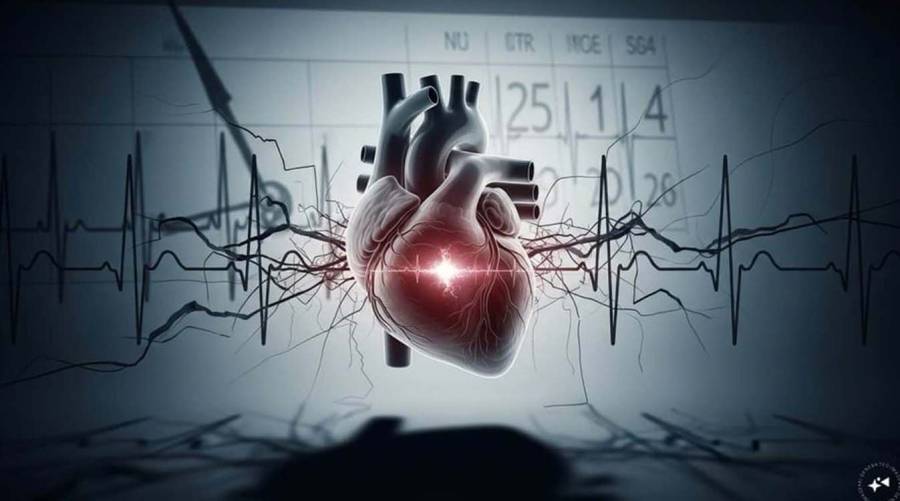
For decades, heart attacks were considered a disease of aging. But a disturbing shift is now unfolding. Increasing numbers of adults under the age of 55 are dying from severe heart attacks, and cardiologists say the trend is becoming impossible to ignore.
Recent reports supported by data from cardiology researchers show that while overall heart disease deaths had declined in previous decades, mortality among younger adults has begun to rise again.
For health experts, this is more than a statistic. It signals a major public health warning.
“Younger patients are now showing up with severe heart attacks at rates we did not see a generation ago,” cardiologists told reporters while discussing the emerging data.
The change is subtle but significant, and it suggests that the risk factors driving heart disease are affecting people earlier in life.
Related story: Ramadan health alert: Cardiologist urges safe fasting & fitness
The question many doctors are now asking is simple but alarming: Why is this happening?
A shift that cardiologists say is deeply concerning
Cardiovascular disease remains the leading cause of death globally, according to the World Health Organization (WHO). But historically, improvements in medicine, smoking reduction, and better treatment had pushed heart attack deaths downward.
That progress is now slowing.
Data cited in recent analyses indicate that severe heart attacks among adults under 55 are increasing, particularly among individuals in their late 30s and 40s. Many of these patients arrive at hospitals with major blockages in coronary arteries — sometimes without realizing they were at risk.
You may like to read: Prevent heart attack and stroke with 4 simple, doctor-approved steps
Researchers note that the pattern is especially concerning because heart disease in younger adults often goes undetected until a catastrophic event occurs.
The hidden risk factors driving the trend
Experts point to several interconnected factors contributing to the rise in heart attack deaths among younger adults.
1. Obesity and metabolic disease
Rates of obesity, diabetes, and metabolic syndrome have increased dramatically over the past two decades. These conditions damage blood vessels and accelerate atherosclerosis — the buildup of plaque in arteries that leads to heart attacks.
2. Sedentary lifestyles
Modern work patterns, increased screen time, and reduced physical activity mean many people are moving far less than previous generations. Lack of exercise weakens cardiovascular health and contributes to weight gain and high blood pressure.
3. Chronic stress and mental health pressures
Psychological stress is increasingly recognized as a cardiovascular risk factor. High stress levels elevate cortisol and inflammatory responses in the body, both of which can contribute to heart disease.
Doctors say younger adults today often face a combination of financial pressure, job instability, and digital overload that previous generations experienced differently.
4. Smoking, vaping, and substance use
While traditional cigarette smoking has declined in some regions, the rise of vaping and nicotine products may still be exposing younger populations to cardiovascular risks.
Nicotine constricts blood vessels and increases heart strain, raising the likelihood of cardiac events.
5. Undiagnosed hypertension and cholesterol
Many young adults rarely undergo routine health screenings. As a result, conditions like high blood pressure and high cholesterol remain untreated for years.
These “silent” risk factors gradually damage arteries long before symptoms appear.
The surprising reality: many victims appear healthy
One of the most troubling aspects of the trend is that some patients experiencing fatal heart attacks were previously considered healthy.
Cardiologists say younger individuals often assume they are too young to worry about heart disease. This perception can delay medical checkups and early detection.
When symptoms do occur — such as chest pain, fatigue, or shortness of breath — they may be dismissed as stress or anxiety.
People also read: Heart attacks may be linked to oral bacteria, new study finds
By the time medical care is sought, the situation can already be life-threatening.
A wake-up call for prevention
Health experts say the rise in heart attacks among younger adults is not inevitable. In fact, cardiovascular disease remains one of the most preventable major illnesses.
Doctors emphasize several critical steps that can dramatically reduce risk.
- Maintain regular physical activity
- Adopt a balanced, heart-healthy diet
- Monitor blood pressure and cholesterol
- Manage stress and sleep quality
- Avoid tobacco and nicotine products
- Seek routine medical screenings
According to the American Heart Association, lifestyle changes can prevent a large proportion of heart disease cases when adopted early.
The message from cardiologists: don’t wait until it’s too late
The increase in heart attack deaths among younger adults is prompting doctors to call for earlier awareness and prevention.
Heart health, they say, must become a priority long before middle age.
For many people, the most dangerous risk factors are not dramatic symptoms but silent habits accumulating over time.
The emerging trend serves as a stark reminder that cardiovascular disease does not suddenly appear in old age. It often begins decades earlier — quietly shaping the future of a person’s health.
And the earlier that risk is addressed, the greater the chance of preventing tragedy.
Stay connected with Medical News Pakistan
CLICK HERE TO JOIN our WhatsApp Community for the latest health updates, life-saving medical news, and expert guidance straight to your phone.

Advertisement
E-PAPER
Trending
Popular
Pakistan’s Dr. Misha Tanveer takes air pollution research to Europe ...
-
Calorie deficit for weight loss: How to ...
06:00 PM, 24 Aug, 2026 -
Vaccine maker warns of wider TBE, ...
05:00 PM, 21 Aug, 2026 -
FDA authorizes first robot to draw ...
06:11 PM, 20 Aug, 2026 -
One blood test for multiple cancers ...
04:52 PM, 11 Aug, 2026
Follow us on Facebook
Follow us on Twitter
Copyright ©2026 Medical News. All Rights Reserved.