
Heart attacks may be linked to oral bacteria, new study finds
Researchers discover that bacteria commonly found in the mouth may play a role in triggering heart attacks by causing inflammation in coronary plaques.
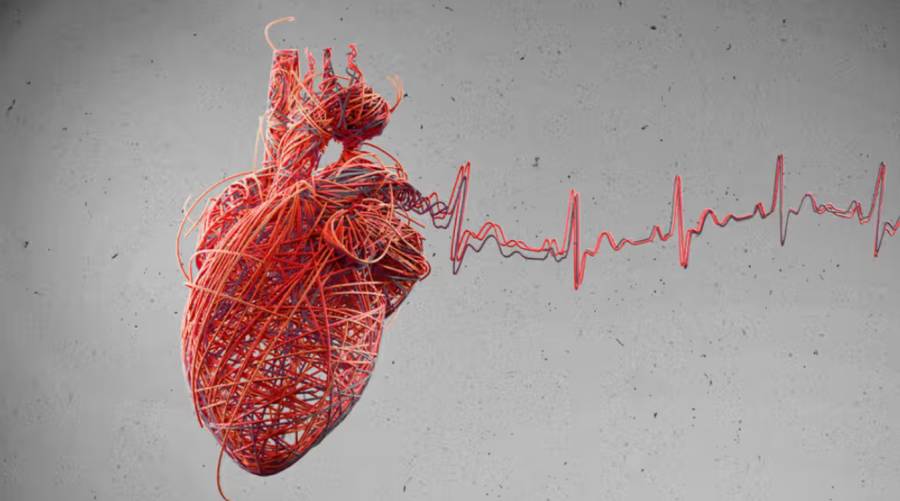
Heart attacks may be linked to oral bacteria, study suggests
Heart attacks may be more closely linked to oral health than previously thought. A new study published in the Journal of the American Heart Association has found that bacteria commonly found in the mouth and throat may trigger a heart attack by infiltrating coronary plaques and causing inflammation.
According to the World Health Organization (WHO), about 19.8 million people worldwide died from heart disease in 2022, with nearly 85% of these deaths attributed to stroke and heart attack. Heart attacks, medically called myocardial infarctions, occur when blood flow to the heart is blocked — often due to blood clots, coronary spasms, or plaque buildup on the artery walls.
Oral bacteria discovered in coronary plaques
Researchers at Tampere University in Finland analyzed coronary plaque samples from 121 individuals who had died of sudden cardiac death and from 96 patients who underwent plaque removal surgery (endarterectomy).
Related story: Half of heart attack patients in Pakistan under 49, NICVD study finds new drug as effective as standard therapy
They found that viridans group streptococci — a type of bacteria commonly present in the mouth, saliva, and dental plaque — were the most frequently detected microbes in the arterial samples.
Professor Pekka J. Karhunen, MD, PhD, who led the study, explained that these bacteria may not cause harm when confined to the dental biofilm. However, under certain conditions, the biofilm may activate, releasing bacteria that infiltrate arterial plaques, triggering inflammation and potentially causing a rupture that leads to a heart attack.
Why this research matters
Experts say the findings add to growing evidence of the oral-systemic connection — the idea that oral health can directly influence cardiovascular health.
Dr. Sergiu Darabant, a cardiologist at Miami Cardiac & Vascular Institute, noted that inflammation has long been suspected as a key driver of plaque rupture. “This study adds another piece to the puzzle — showing how bacteria from the mouth might play a hidden role in driving coronary inflammation,” he said.
What this means for patients
Medical experts emphasize that strep viridans is normally a benign bacterium that helps maintain a healthy oral ecosystem. Problems arise when oral infections are left untreated, allowing bacteria to enter the bloodstream and contribute to systemic inflammation.
Related story: 70% of young Pakistanis obese, at risk of early heart attacks – study
To reduce risks, cardiologists and infectious disease specialists recommend:
- Maintaining optimal oral hygiene through regular brushing, flossing, and professional cleanings
- Seeking prompt treatment for dental infections to avoid bacteria entering the bloodstream
- Keeping vaccinations up to date, including influenza, COVID-19, and pneumococcal vaccines, to lower infection-related cardiovascular risks
The bigger picture
This study highlights the importance of integrating dental care into overall cardiovascular prevention strategies. Early detection and treatment of oral infections, combined with lifestyle changes and medication for cholesterol, blood pressure, and diabetes, may significantly reduce the risk of heart attacks.
Stay connected with Dental News Pakistan
CLICK HERE TO JOIN our WhatsApp Community to get expert clinical tips, industry updates, and research insights straight to your phone.

Advertisement
E-PAPER
Trending
Popular
Pakistan’s Dr. Misha Tanveer takes air pollution research to Europe ...
-
Calorie deficit for weight loss: How to ...
06:00 PM, 24 Aug, 2026 -
Vaccine maker warns of wider TBE, ...
05:00 PM, 21 Aug, 2026 -
FDA authorizes first robot to draw ...
06:11 PM, 20 Aug, 2026 -
One blood test for multiple cancers ...
04:52 PM, 11 Aug, 2026
Follow us on Facebook
Follow us on Twitter
Copyright ©2026 Medical News. All Rights Reserved.