
Breakthrough biobattery shrinks cancer tumour by 99%, paving way for drug-free treatment
A revolutionary implantable biobattery developed by Australian and Chinese scientists dramatically reduces tumour size and activates the immune system without chemotherapy.
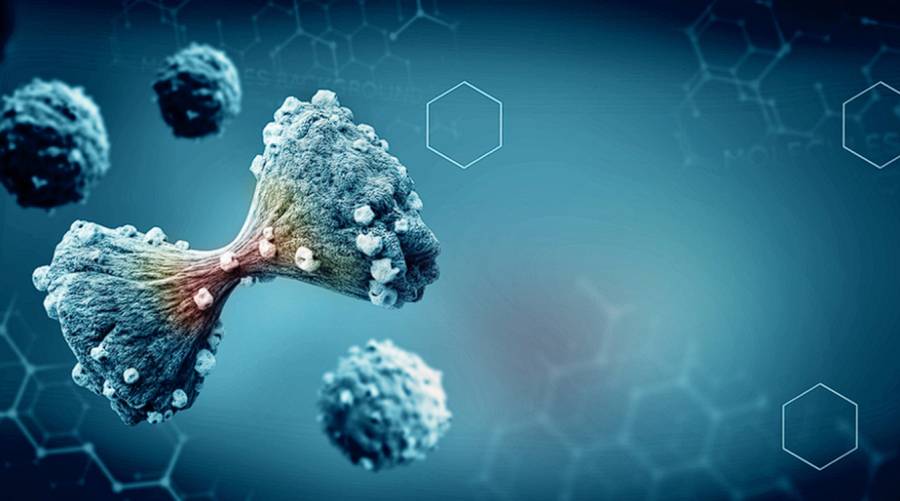
Biobattery reduces tumour size by 99%, unlocking drug-free cancer immunotherapy
A next-generation implantable biobattery has shown unprecedented success in laboratory tests, shrinking cancer tumours by 99.6% in just 14 days. This innovation could herald a new era of drug-free cancer immunotherapy, offering a safer, more targeted treatment approach for patients.
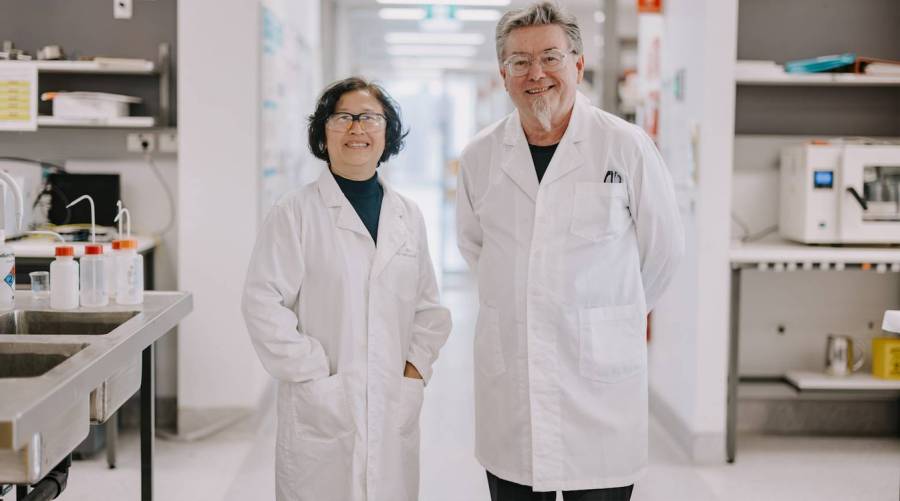 Distinguished Professor Gordon Wallace and Professor Caiyun Wang
The pioneering technology is the result of a global research collaboration between the University of Wollongong’s Intelligent Polymer Research Institute (IPRI) and China’s Jilin University. Published in Science Advances, the study outlines how this biobattery activates the immune system and halts tumour growth through localised electrochemical reactions.
How the biobattery works
Unlike traditional power sources, this biobattery uses biological processes to generate electrical current, with therapeutic effects. When implanted at the site of a subcutaneous tumour (beneath the skin), the battery discharges zinc and manganese ions, creating a microenvironment hostile to cancer cells.
Professor Gordon Wallace of the University of Wollongong explains:
“If we are clever with electrode choice, biobatteries can do more than just power devices — they can interact with human tissue, deliver therapeutic ions, and stimulate immune responses.”
Key findings from the study:
- Tumour size reduced from over 1,000 mm³ to just 4 mm³ in 14 days.
- Zinc and manganese ions stimulate immune cells to target and destroy tumours.
- No drugs were used — only the chemical by-products of the battery's operation.
Advantages over traditional cancer therapies
Professor Caiyun Wang, a co-author of the study, emphasized the minimally invasive and localized nature of this therapy:
“We place the biobattery directly at the tumour site for continuous ion release, activating the immune system where it matters most.”
This technology could significantly reduce the side effects often associated with chemotherapy or radiation therapy and may improve quality of life for cancer patients.
Associate Professor Jia Xiaoteng from Jilin University said the breakthrough highlights a promising route for future treatments:
“This is a powerful tool for drug-free cancer immunotherapy. We’re looking at targeted, sustained, and safer alternatives to conventional cancer treatments.”
What’s next?
The researchers are now moving toward preclinical and clinical trials to translate this laboratory success into real-world patient outcomes. Professor Wallace added:
“Big global challenges require integrated global research teams. We’re committed to bringing this innovation to patients as soon as possible.”
CLICK HERE TO FOLLOW the official Medical News Pakistan WhatsApp Channel for real-time updates, expert insights, and exclusive stories that matter to every person.

Advertisement
E-PAPER
Trending
Popular
Pakistan’s Dr. Misha Tanveer takes air pollution research to Europe ...
-
Calorie deficit for weight loss: How to ...
06:00 PM, 24 Aug, 2026 -
Vaccine maker warns of wider TBE, ...
05:00 PM, 21 Aug, 2026 -
FDA authorizes first robot to draw ...
06:11 PM, 20 Aug, 2026 -
One blood test for multiple cancers ...
04:52 PM, 11 Aug, 2026
Follow us on Facebook
Follow us on Twitter
Copyright ©2026 Medical News. All Rights Reserved.