
Study warns sunscreen misinformation on TikTok may attract more attention than facts
Researchers found that sunscreen misinformation accounts for only a small fraction of TikTok content but tends to receive disproportionately higher engagement, raising concerns about skin cancer prevention and sun safety.
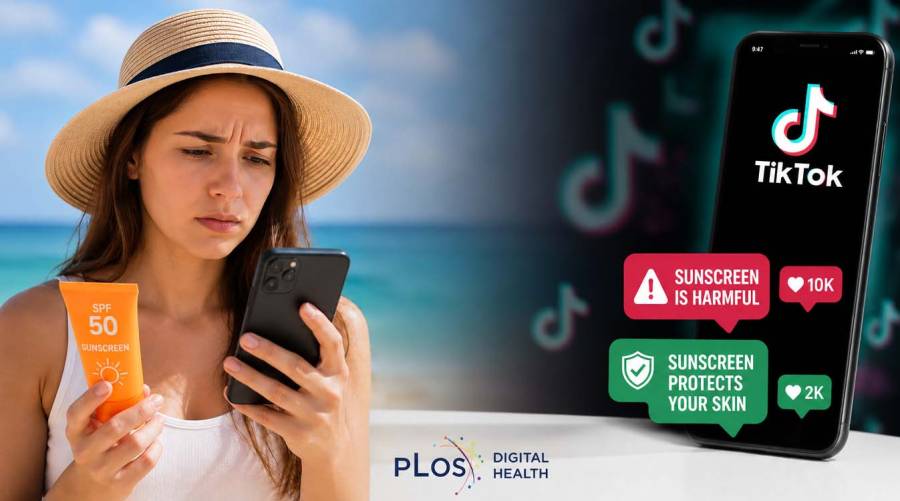
A new study has raised concerns about the growing influence of sunscreen misinformation on social media, finding that misleading TikTok posts questioning the safety or necessity of sunscreen often attract more engagement than evidence-based content promoting sun protection.
The findings, published on June 18 in the journal PLOS Digital Health, come as millions of people increasingly turn to social media platforms for health advice, including recommendations on skincare, sun protection and disease prevention.
Researchers analysed 971 TikTok videos related to sunscreen and found that the overwhelming majority promoted sunscreen use and provided positive messaging about sun protection. However, only 16 videos discouraged sunscreen use or questioned its safety. Despite representing a tiny fraction of the content analysed, these misinformation posts generated disproportionately higher engagement rates.
Experts say the findings highlight a growing challenge in digital health communication: provocative or controversial claims often spread faster online than straightforward, evidence-based advice.
"Social media tends to reward content that is provocative or challenges accepted advice, so claims that sunscreen is harmful or unnecessary are often going to generate more discussion than straightforward health messaging," said Paul Banwell, a United Kingdom-based plastic and cosmetic surgeon and skin health expert who was not involved in the study.
According to Banwell, even a relatively small amount of misleading content can have significant public health consequences if it discourages people from adopting protective behaviours.
"The issue is that people can start to mistake popularity for credibility," he said. "Just because a video has millions of views doesn't mean the information is accurate, and when it comes to sun protection, that can have real consequences if people are discouraged from using sunscreen based on misinformation rather than evidence."
The researchers noted that while the study focused specifically on TikTok, sunscreen misinformation is present across multiple social media platforms.
A TikTok spokesperson told Healthline that the platform prohibits health-related misinformation, including inaccurate medical advice that may discourage individuals from seeking appropriate healthcare.
Banwell stressed that online discussions about sunscreen often focus primarily on cosmetic benefits such as preventing wrinkles, pigmentation and premature skin ageing. While these are legitimate benefits, he said they should not overshadow sunscreen's crucial role in protecting long-term skin health.
"As a doctor, my primary concern is skin health," Banwell said. "Skin cancer is one of the most common cancers worldwide, yet it seems to feature far less prominently in online discussions than beauty-related benefits. Ideally, we should be talking about both."
Health experts warn that ultraviolet (UV) radiation damage accumulates over time and that severe sunburns during childhood and adolescence can increase the risk of developing skin cancer later in life.
Banwell emphasised the importance of developing sun-safe habits at an early age and believes applying sunscreen should become as routine as brushing one's teeth.
"The habits we develop when we're young often stay with us throughout adulthood," he said. "The earlier we can educate children and teenagers about sun safety, the better."
He added that healthcare professionals, brands and content creators all share responsibility for making accurate health information accessible, engaging and easy to understand.
"Sunscreen isn't about avoiding the outdoors or living in fear of the sun," Banwell said. "It's about enjoying the sun sensibly while protecting your skin for the long term."
The findings serve as a reminder that while social media can be a powerful tool for health education, users should carefully evaluate online health claims and seek information from credible, evidence-based sources, particularly when it comes to practices that can significantly reduce the risk of skin cancer and long-term sun damage.
Stay informed, stay alert!
CLICK HERE TO JOIN Medical News Pakistan on WhatsApp for real-time health alerts, expert insights, and breakthrough medical discoveries.

Advertisement
E-PAPER

Trending
Popular
Pakistan’s Dr. Misha Tanveer takes air pollution research to Europe ...
-
Calorie deficit for weight loss: How to ...
06:00 PM, 24 Aug, 2026 -
Vaccine maker warns of wider TBE, ...
05:00 PM, 21 Aug, 2026 -
FDA authorizes first robot to draw ...
06:11 PM, 20 Aug, 2026 -
One blood test for multiple cancers ...
04:52 PM, 11 Aug, 2026
Follow us on Facebook
Follow us on Twitter
Copyright ©2026 Medical News. All Rights Reserved.