
Plant-based diet may boost fertility, says University of Washington expert
University of Washington dietician Judy Simon highlights how plant-forward eating can enhance fertility in both men and women by improving egg and sperm quality.
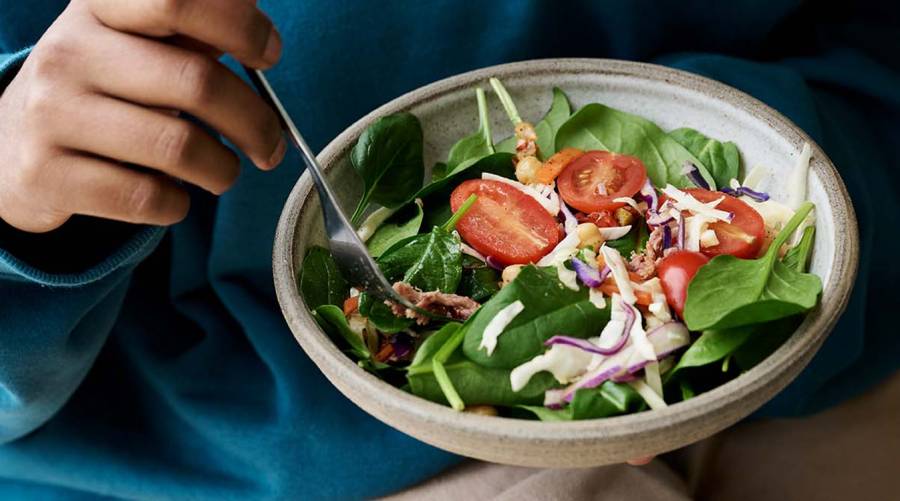
Plant-based diet may boost fertility, says University of Washington expert
Eating more plant-based foods could help couples conceive faster, according to a University of Washington fertility expert.
Judy Simon, a registered dietician and professor at the University of Washington, shared evidence-based insights on how nutrition impacts fertility during her talk at Gonzaga University on Tuesday. Drawing from both personal experience and research, Simon emphasized that dietary choices in the three months leading up to conception can play a crucial role in strengthening eggs in women and improving sperm quality in men.
“Diet is frequently overlooked by couples trying to conceive,” Simon said. “But you have a 90-day window before conception where lifestyle changes can significantly influence fertility outcomes.”
Age and nutrition: key fertility factors
According to Simon, about 80% of heterosexual couples conceive within six months of trying. Infertility is typically diagnosed after one year of unsuccessful attempts. While age remains the most significant factor — with fertility dropping by half after age 40 — diet and lifestyle are also critical contributors.
Simon explained that many women who maintain highly active lifestyles, such as marathon training, may unknowingly under-eat, leading to a condition called hypothalamic amenorrhea, which halts ovulation. “You can give women estrogen, but it won’t fix low estradiol levels caused by inadequate nutrition,” she said.
The same applies to men. Simon noted that poor diet and excessive exercise can lower testosterone levels and impair sperm quality, making conception more difficult.
How a plant-forward diet supports fertility
Research conducted at the University of Washington, co-authored by Simon, found that a plant-forward diet — emphasizing vegetables, fruits, whole grains, seafood, dairy, nuts, and soy — may improve fertility outcomes within a few months.
“These diets reduce inflammation and support a healthy uterine environment,” Simon explained. “That can make embryo implantation more successful.”
In men, reducing red meat consumption and replacing it with fish, nuts, and soy improved sperm motility and morphology, according to the findings.
Weight and infertility: breaking misconceptions
Simon cautioned against linking excess body weight directly to infertility, noting that polycystic ovary syndrome (PCOS) — a hormonal disorder that affects ovulation — is often the underlying cause rather than body mass itself.
“Current evidence does not support recommending weight loss to improve fertility in women,” she said, criticizing clinics that refuse treatment based on body mass index (BMI) cutoffs. “That creates stigma and excludes people from building families.”
A simple, non-invasive step toward conception
Simon encouraged couples to view dietary improvement as an empowering, non-invasive approach to boost fertility naturally.
“We can make a difference in months — and in a much less invasive way than many other fertility treatments,” she said.
Her message reflects a growing global focus on nutrition-centered fertility care, where plant-forward diets are being recognized not just for general health benefits, but for their potential to enhance reproductive health outcomes in both men and women.
Stay informed and protect your health!
CLICK HERE TO JOIN Medical News Pakistan on WhatsApp for expert tips, health updates, and the latest medical research straight to your phone.

Advertisement
E-PAPER
Trending
Popular
Pakistan’s Dr. Misha Tanveer takes air pollution research to Europe ...
-
Calorie deficit for weight loss: How to ...
06:00 PM, 24 Aug, 2026 -
Vaccine maker warns of wider TBE, ...
05:00 PM, 21 Aug, 2026 -
FDA authorizes first robot to draw ...
06:11 PM, 20 Aug, 2026 -
One blood test for multiple cancers ...
04:52 PM, 11 Aug, 2026
Follow us on Facebook
Follow us on Twitter
Copyright ©2026 Medical News. All Rights Reserved.