
Struggling to cut belly fat? A new study may have found the key
Research shows that combining healthier eating with increased physical activity leads to significantly lower visceral fat and better long-term weight control
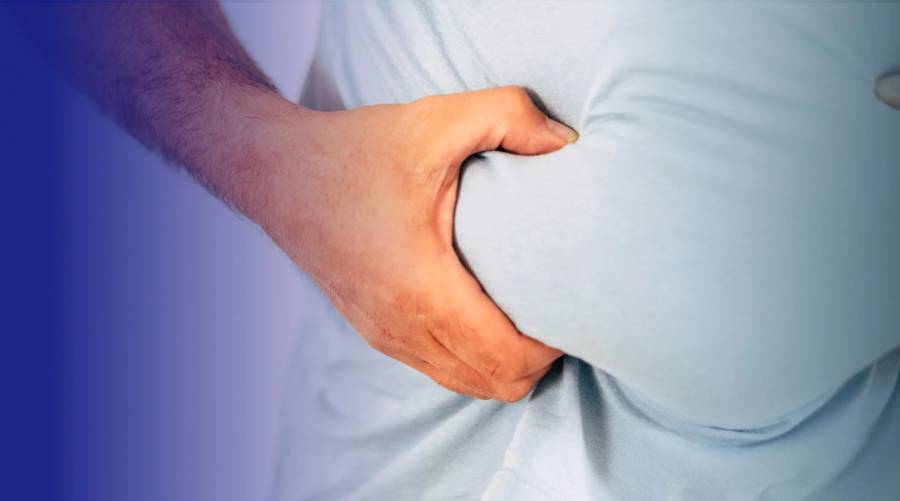
Struggling to cut belly fat? A new study may have found the key
Anyone who has tried to get rid of belly fat knows how frustrating it can be — even with dieting, workouts, or lifestyle changes. But a new global study may have uncovered a crucial piece of the puzzle, one that researchers say has been overlooked for far too long. The findings, published in a leading international journal, suggest that a specific biological factor may be playing a much larger role in abdominal fat accumulation than previously understood. Researchers say this discovery could help reshape how doctors, fitness experts, and individuals approach belly fat reduction.
The research, published in JAMA Network Open, analyzed more than 7,000 adults in the U.K. and concluded that people who improved both their diet and physical activity at the same time gained significantly less total body fat and, crucially, less visceral fat compared to those who focused on only one lifestyle change.
Why researchers studied diet and exercise together
Lead author Shayan Aryannezhad, MD, MPH, PhD, explained that most long-term studies examine diet and physical activity separately, even though “people do not live their lives in isolated behaviors.” He emphasized that examining both together gives a clearer, more realistic view of how daily habits influence fat gain over time.
Participants were evaluated using detailed tools, including DEXA scans for body fat distribution, activity monitoring, and adherence to the Mediterranean diet. Compensatory behaviors — such as eating more after exercising or becoming less active during dieting — were also considered.
Combined lifestyle changes showed the biggest improvements
Researchers observed that participants who improved both diet quality and physical activity:
- Gained 1.9 kilograms less total body fat, and
- Accumulated 150 grams less visceral fat compared to people who did not improve both behaviors.
Dr. Aryannezhad described these numbers as meaningful because visceral fat is the most harmful form of fat. A 150-gram reduction represents nearly 16% of the average visceral fat in the studied population.
He added that improving both habits together not only reduces weight gain but improves fat distribution, which is associated with lower cardiometabolic risk.
Experts say any reduction in visceral fat is beneficial
Commenting on the findings, Mir Ali, MD, bariatric surgeon and medical director of the MemorialCare Surgical Weight Loss Center in California, said the study reinforces the importance of tackling visceral fat because of its strong association with diabetes, cardiovascular disease, and metabolic complications.
He stressed that any approach that reduces visceral fat is beneficial, noting that further research on optimal diet-and-exercise combinations would be valuable.
A message that resonates with patients struggling with belly fat
Bariatric surgeon Seth Kipnis, MD, FACS, FASMBS, who was also not involved in the research, said the study validates what clinicians see every day. Many patients try to rely on diet alone or exercise alone and become frustrated when results are slow.
What stood out to him was the use of advanced imaging like DEXA to distinguish between subcutaneous fat and visceral fat — the deeper fat around internal organs that poses the greatest risk.
He added that the study’s findings send a hopeful message, especially to people who begin with overweight or low activity levels: meaningful change is achievable with a combined approach.
Takeaway
The latest evidence is clear — pairing healthier eating with consistent physical activity offers the strongest defense against belly fat, especially the harmful visceral fat that threatens long-term health. While both strategies individually offer benefits, adopting them together provides significantly better protection and more sustainable results.
Stay informed and protect your health!
CLICK HERE TO JOIN Medical News Pakistan on WhatsApp for expert tips, health updates, and the latest medical research straight to your phone.

Advertisement
E-PAPER
Trending
Popular
Pakistan’s Dr. Misha Tanveer takes air pollution research to Europe ...
-
Calorie deficit for weight loss: How to ...
06:00 PM, 24 Aug, 2026 -
Vaccine maker warns of wider TBE, ...
05:00 PM, 21 Aug, 2026 -
FDA authorizes first robot to draw ...
06:11 PM, 20 Aug, 2026 -
One blood test for multiple cancers ...
04:52 PM, 11 Aug, 2026
Follow us on Facebook
Follow us on Twitter
Copyright ©2026 Medical News. All Rights Reserved.