
Could a new 10-minute scan finally change how we diagnose high blood pressure?
Researchers test a groundbreaking imaging method that may transform how hidden causes of hypertension are detected and treated.
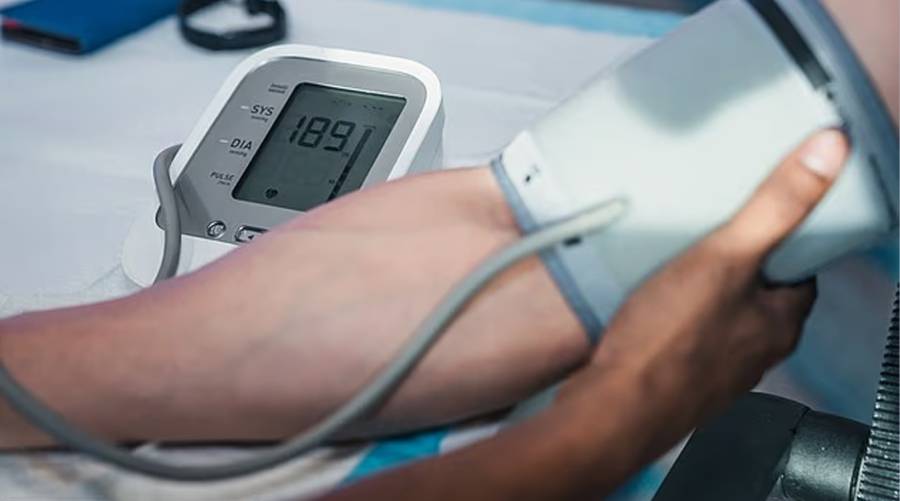
Could a quick new scan reveal what really drives difficult-to-treat high blood pressure?
Could a breakthrough scan uncover what truly causes resistant high blood pressure? A team of UK researchers believes the answer may be yes. Their new 10-minute diagnostic test, developed at University College London (UCL), may help millions of people with hard-to-treat hypertension by detecting a hidden hormonal cause that standard tests often miss.
A hidden cause of high blood pressure often goes undiagnosed
Experts estimate that nearly 25% of people with hypertension produce excessive amounts of the hormone aldosterone, which comes from the adrenal glands and affects how the body regulates salt. However, diagnosing this condition—known as aldosterone excess—has long been challenging, leaving many patients untreated or incorrectly treated.
The new scan may change that.
How the new scan works
Researchers used an advanced PET-CT scan with a newly developed radioactive tracer designed to bind to the enzyme aldosterone synthase.
- The CT component creates 3D structural images
- The PET component highlights areas where excess hormone production occurs
When the tracer attaches to overactive adrenal tissue, the affected areas “light up,” revealing the exact source of the hormonal overproduction.
In the recent research letter published in the New England Journal of Medicine, the scan successfully identified the problem in all 17 tested patients, without side effects.
Lead investigator Professor Bryan Williams, chair of medicine at UCL, says this is a milestone:
“We have been waiting for a test like this for many decades. This British innovation is going to transform the diagnosis of aldosterone excess.”
Why this discovery matters
Being able to pinpoint the source of aldosterone excess could help doctors choose the most effective treatments, which may include:
- Targeted surgery to remove an overactive adrenal gland
- Medications that block aldosterone production
Experts say any improvement in diagnosing this condition could significantly reduce risks of:
- Heart attack
- Stroke
- Kidney disease
- Early death
What happens next?
Following promising early results, researchers are now conducting a phase 2 clinical trial to collect more data for potential approval by the NHS.
High blood pressure affects an estimated 14 million people in the UK, and many cases remain undiagnosed. This innovation could become a major step forward in prevention and early intervention.
Stay informed and protect your health!
CLICK HERE TO JOIN Medical News Pakistan on WhatsApp for expert tips, health updates, and the latest medical research straight to your phone.

Advertisement
E-PAPER
Trending
Popular
Pakistan’s Dr. Misha Tanveer takes air pollution research to Europe ...
-
Calorie deficit for weight loss: How to ...
06:00 PM, 24 Aug, 2026 -
Vaccine maker warns of wider TBE, ...
05:00 PM, 21 Aug, 2026 -
FDA authorizes first robot to draw ...
06:11 PM, 20 Aug, 2026 -
One blood test for multiple cancers ...
04:52 PM, 11 Aug, 2026
Follow us on Facebook
Follow us on Twitter
Copyright ©2026 Medical News. All Rights Reserved.