
Should you stop eating FODMAPs? Understanding irritable bowel syndrome & gut health
A low-FODMAP diet can help manage irritable bowel syndrome (IBS), but is it right for everyone? Learn the benefits, risks, and how to follow it properly.
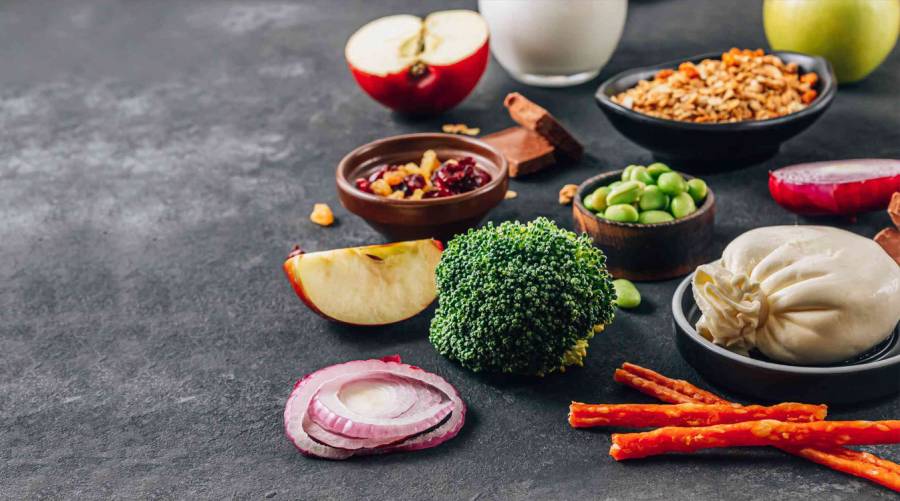
For some people, certain sugar-like molecules found in everyday foods—like milk, wheat, rye, onions, apples, and artificial sweeteners—can cause bloating, gas, and digestive discomfort. These molecules are called FODMAPs (Fermentable Oligosaccharides, Disaccharides, Monosaccharides, and Polyols).
While these foods are perfectly fine for most people, they can be problematic for individuals with sensitive digestive systems—particularly those with Irritable Bowel Syndrome (IBS).
Common High-FODMAP Foods
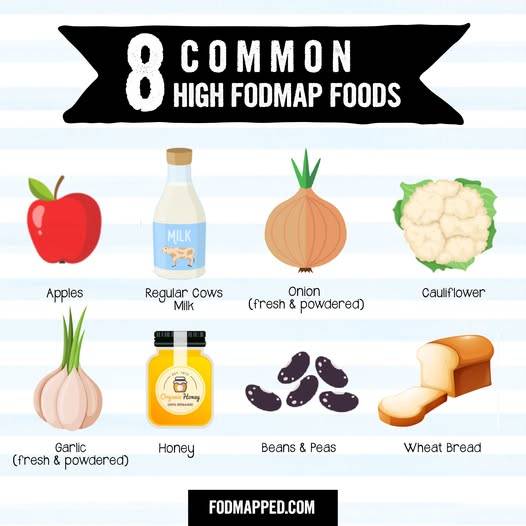
Certain foods are particularly high in FODMAPs, meaning they contain these fermentable sugars that can trigger digestive issues. Research has identified the following as some of the most common high-FODMAP foods:
- Dairy: Milk, soft cheeses, yogurt, and ice cream (due to lactose)
- Grains: Wheat, rye, and barley (especially in bread, pasta, and cereals)
- Fruits: Apples, pears, cherries, watermelon, and mangoes
- Vegetables: Onions, garlic, cauliflower, mushrooms, and asparagus
- Legumes: Lentils, chickpeas, kidney beans, and black beans
- Sweeteners & Drinks: High-fructose corn syrup, honey, agave syrup, diet sodas, and artificial sweeteners like sorbitol and mannitol
 But does that mean you should cut them out completely? Not necessarily.
What is Irritable Bowel Syndrome (IBS)?
Irritable Bowel Syndrome (IBS) is a common digestive disorder that affects millions of people worldwide. It can cause bloating, stomach pain, gas, diarrhea, constipation, or a mix of both. While the exact cause of IBS is unknown, certain foods—especially high-FODMAP foods—can trigger symptoms in many individuals.
How FODMAPs Affect Gut Health
FODMAPs aren’t inherently bad. They ferment in the gut, which is normal and beneficial for gut bacteria. However, in people with IBS or sensitive digestion, they can lead to uncomfortable symptoms like bloating, cramps, and irregular bowel movements.
A study in Clinical Gastroenterology and Hepatology found that people with IBS who followed a low-FODMAP diet had fewer digestive issues, reduced anxiety, and improved overall well-being compared to those who followed general dietary advice.
The Two-Phase Low-FODMAP Diet
Phase 1: Elimination (2-4 Weeks)
Cut out high-FODMAP foods, replacing them with low-FODMAP alternatives. This isn’t meant to be permanent—just a way to see if your symptoms improve.
Low-FODMAP Alternatives
Instead of high-FODMAP foods, you can opt for scientifically backed low-FODMAP alternatives that are gentler on the digestive system:
- Dairy Alternatives: Lactose-free milk, hard cheeses (cheddar, Swiss, Parmesan), almond milk, and coconut yogurt
- Grains: Rice, quinoa, oats, corn-based products, and gluten-free bread
- Fruits: Bananas, oranges, grapes, strawberries, blueberries, and kiwis
- Vegetables: Carrots, zucchini, spinach, bell peppers, cucumbers, and eggplant
- Proteins & Legumes: Chicken, eggs, tofu (firm), tempeh, and canned lentils (rinsed)
- Sweeteners & Drinks: Maple syrup, stevia, dark chocolate, coffee, and most herbal teas
 Phase 2: Reintroduction & Personalization
Slowly reintroduce high-FODMAP foods one by one, tracking which ones trigger symptoms. This helps you identify your personal triggers instead of avoiding all FODMAPs forever.
✅ Good for:
✔️ People with IBS-D (diarrhea-predominant) or IBS-M (mixed type)
✔️ Those experiencing persistent bloating, gas, or stomach pain
❌ Not ideal for:
❌ People without digestive issues—restricting FODMAPs can lower healthy gut bacteria
❌ Those at risk of malnutrition or disordered eating
❌ People with IBS-C (constipation-predominant) without professional guidance, as low-FODMAP diets can reduce fiber intake
Challenges & How to Overcome Them
- Eating Out & Meal Prep – FODMAPs are hidden in many foods. Use apps or guides to check ingredients.
- Nutrient Deficiencies – Work with a dietitian to ensure balanced nutrition.
- Gut Health Long-Term – After the diet, focus on fiber, probiotics, and diverse foods to restore gut bacteria.
Final Verdict: Should You Stop Eating FODMAPs?
Not completely! If you have IBS or digestive issues, a short-term low-FODMAP diet can be a powerful tool to identify food triggers. But long-term restriction isn’t necessary and could harm gut health. Always consult a dietitian before making drastic dietary changes.
Advertisement
E-PAPER
Trending
Popular
Pakistan’s Dr. Misha Tanveer takes air pollution research to Europe ...
-
Calorie deficit for weight loss: How to ...
06:00 PM, 24 Aug, 2026 -
Vaccine maker warns of wider TBE, ...
05:00 PM, 21 Aug, 2026 -
FDA authorizes first robot to draw ...
06:11 PM, 20 Aug, 2026 -
One blood test for multiple cancers ...
04:52 PM, 11 Aug, 2026
Follow us on Facebook
Follow us on Twitter
Copyright ©2026 Medical News. All Rights Reserved.