
World Hepatitis Day 2026: WHO calls for urgent action as 287 million people live with hepatitis worldwide
Observed on July 28, World Hepatitis Day 2026 highlights the urgent need to expand testing, vaccination and treatment as WHO warns millions remain undiagnosed despite effective tools to prevent, treat and even cure viral hepatitis.
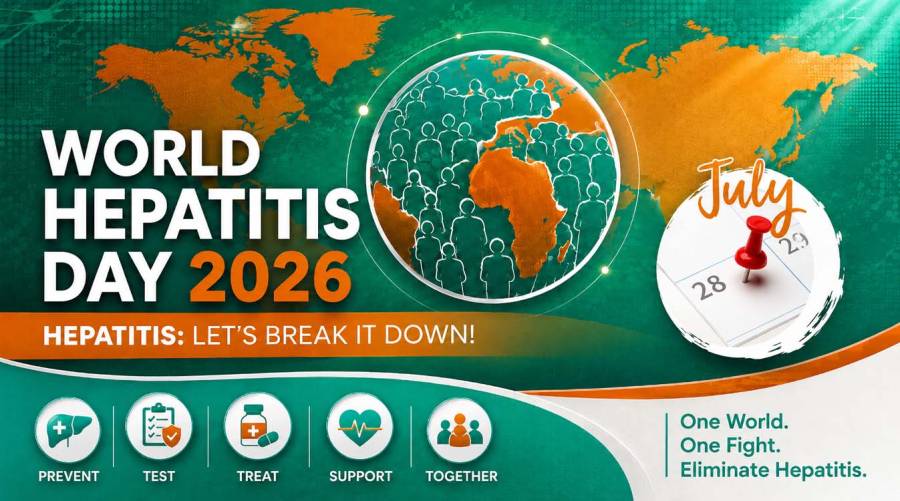
The World Health Organization (WHO) has called for urgent global action to eliminate viral hepatitis, warning that 287 million people were living with chronic hepatitis B or C in 2024, while 1.3 million people died from the diseases despite the availability of effective vaccines, accurate diagnostic tests and lifesaving treatments.
Observed every year on July 28, World Hepatitis Day 2026 is being marked under the theme "Hepatitis: Let's Break It Down," emphasizing the need to remove barriers that prevent people from accessing prevention, testing, treatment and care.
The campaign highlights that although science has made viral hepatitis largely preventable and, in the case of hepatitis C, curable, millions of people remain undiagnosed or untreated because of stigma, limited awareness, health system gaps and unequal access to healthcare services.
Pakistan carries the world's largest hepatitis C burden
According to WHO Pakistan, the country bears the largest hepatitis C burden in the world, with around 9 million people living with hepatitis C out of an estimated 47 million global cases.
Health experts say this places Pakistan at the center of global hepatitis elimination efforts, making early diagnosis, vaccination, infection prevention and timely treatment national public health priorities.
WHO Pakistan is encouraging people to stay informed, get tested if they are at risk or have never been tested, and ensure newborns receive timely hepatitis B vaccination.
Millions remain unaware they are infected
One of the greatest challenges in eliminating viral hepatitis is that many infected individuals show no symptoms for years, allowing the disease to silently damage the liver while remaining undetected.
Without diagnosis and treatment, chronic hepatitis B and C can lead to serious complications, including:
- Liver cirrhosis
- Liver failure
- Liver cancer
- Premature death
WHO says increasing awareness and expanding access to screening programmes are essential to identifying infections earlier and improving patient outcomes.
Newborn vaccination remains a global priority
The WHO also highlighted a significant gap in newborn protection.
Globally, only 45% of babies received the hepatitis B vaccine within 24 hours of birth in 2024, despite this birth dose being one of the most effective measures for preventing lifelong hepatitis B infection.
Public health experts stress that improving timely vaccination coverage is essential for achieving hepatitis elimination targets.
WHO: Science already provides the tools to eliminate hepatitis
The World Health Organization says the world already possesses the scientific tools needed to dramatically reduce the burden of viral hepatitis.
These include:
- Safe and effective hepatitis B vaccines.
- Accurate diagnostic testing.
- Curative antiviral treatment for hepatitis C.
- Long-term therapies to control hepatitis B.
- Integrated prevention, testing and treatment services through primary healthcare.
According to WHO, the challenge is no longer the lack of medical solutions but ensuring equitable access so that everyone can benefit from these proven interventions.
Breaking barriers beyond medicine
The theme "Hepatitis: Let's Break It Down" extends beyond healthcare services alone.
WHO says eliminating hepatitis also requires breaking down barriers created by:
- Social stigma.
- Lack of public awareness.
- Delayed diagnosis.
- Healthcare inequalities.
- Limited access to testing and treatment.
- Weak health systems.
The organization is urging governments to strengthen political commitment, increase investment and integrate hepatitis services into universal health coverage to reach vulnerable and underserved populations.
Research and innovation remain essential
Although effective interventions already exist, WHO says continued investment in research is vital, particularly for improving prevention and treatment of hepatitis B and hepatitis D co-infection, expanding access to affordable technologies and accelerating innovation that benefits low- and middle-income countries.
Healthcare experts believe stronger collaboration between governments, researchers, healthcare providers and affected communities will be essential to achieving the global goal of eliminating viral hepatitis as a public health threat.
What you can do
On World Hepatitis Day 2026, WHO encourages individuals to take simple but potentially lifesaving steps:
- Get tested for hepatitis B and C, especially if you have never been screened or are at increased risk.
- Ensure newborn babies receive the hepatitis B vaccine within 24 hours of birth.
- Learn the facts about viral hepatitis and help combat misinformation and stigma.
- Encourage family members and communities to seek testing and vaccination where appropriate.
Turning science into action
This year's World Hepatitis Day serves as a reminder that viral hepatitis remains one of the world's leading causes of preventable illness and death.
With proven vaccines, effective medicines and reliable diagnostics already available, WHO says eliminating hepatitis is now less a scientific challenge than a question of political commitment, equitable healthcare access and public awareness.
For countries like Pakistan, where the hepatitis C burden remains among the highest globally, expanding testing, vaccination and timely treatment could save thousands of lives and significantly reduce liver disease in the years ahead.
Stay informed with Medical News Pakistan
CLICK HERE TO JOIN the official Medical News Pakistan WhatsApp Channel for breaking public health updates, WHO advisories, medical research, disease alerts and the latest healthcare developments from Pakistan and around the world.

Advertisement
E-PAPER
Trending
Popular
Pakistan’s Dr. Misha Tanveer takes air pollution research to Europe ...
-
Calorie deficit for weight loss: How to ...
06:00 PM, 24 Aug, 2026 -
Vaccine maker warns of wider TBE, ...
05:00 PM, 21 Aug, 2026 -
FDA authorizes first robot to draw ...
06:11 PM, 20 Aug, 2026 -
One blood test for multiple cancers ...
04:52 PM, 11 Aug, 2026
Follow us on Facebook
Follow us on Twitter
Copyright ©2026 Medical News. All Rights Reserved.